Activities & Leisure
Travel transcends mere sightseeing—it’s about immersing yourself in experiences that challenge, relax, and inspire. Whether you’re drawn to the adrenaline rush of dune bashing across golden sands, the tranquility of observing migratory birds in protected wetlands, or the thrill of soaring above coastal waters on a hydroflight board, the spectrum of activities available can transform a simple trip into a journey of discovery. Understanding the landscape of possibilities helps you craft an itinerary that aligns with your interests, fitness level, and comfort zone.
This comprehensive resource breaks down the essential categories of leisure activities that await travelers in diverse destinations. From navigating urban attractions and observation decks to mastering water sports techniques and respecting fragile ecosystems, each dimension offers unique rewards and considerations. The following sections will equip you with the foundational knowledge to approach these experiences confidently, helping you avoid common pitfalls while optimizing every moment of your adventure.
Urban Exploration and Skyline Experiences
Modern cities offer vertical perspectives that reveal their architectural ambitions and geographic character. Observation decks serve as gateways to understanding urban layout, but selecting the right experience requires more than booking the tallest tower.
Choosing the Right Vantage Point
Different skyline viewpoints tell different stories. Marina-side observations typically showcase waterfront developments and yacht-filled harbors, while downtown platforms emphasize the density of financial districts and historic cores. The timing of your visit matters as much as the location—late afternoon positions you for both daylight clarity and the transition to illuminated cityscapes. Research visibility patterns for your destination; coastal cities often experience morning haze that dissipates by midday, while inland locations may offer crisp air earlier in the day.
Understanding Engineering and Access Logistics
Desert cities face unique structural challenges when building tall observation towers. Temperature differentials between scorching ground levels and cooler upper atmospheres create expansion-contraction cycles that engineers must account for. As a visitor, this translates to understanding elevator wait times during peak hours and booking strategies that help you avoid crowds. Many platforms now offer timed-entry systems—purchasing tickets in advance not only secures your preferred slot but often comes with cost savings compared to walk-up rates.
Maximizing Photographic Opportunities
Urban photography from height demands consideration of light direction and atmospheric conditions. Window reflections can ruin shots; positioning yourself at angles to glass panels and using a lens hood minimizes glare. For night photography of light shows and fountain displays, stabilization becomes critical—whether through tripod use (check if permitted) or bracing against solid surfaces with elevated ISO settings to maintain shutter speed.
Desert Adventures and Dune Activities
Desert landscapes offer perhaps the most visceral connection to natural forces and traditional travel heritage. These experiences range from serene sunset picnics atop crimson dunes to high-octane vehicle maneuvers that test both driver skill and passenger constitution.
Understanding Dune Bashing Mechanics
This signature desert activity involves controlled descents and climbs across sand formations in modified 4×4 vehicles. The physics are deceptively complex: drivers deflate tires to increase surface contact, preventing the vehicle from sinking while maintaining momentum. Weight distribution matters—passengers in rear seats experience more dramatic vertical motion than those in front. If you’re prone to motion sickness, choosing a middle-row position in larger vehicles provides the most stable experience, similar to sitting over the wings in an aircraft.
Safety Protocols and Vehicle Preparation
Rollover protection systems distinguish professional tour operators from amateur adventurers. Legitimate operators equip vehicles with reinforced roll cages, first-aid supplies, and communication equipment for remote areas. Before departure, observe whether the driver conducts a recovery equipment check—sand ladders, tow straps, and spare fluids aren’t optional accessories but essential safety tools. The desert’s beauty masks genuine risks; summer temperatures can induce heatstroke within hours if a vehicle becomes stranded.
Choosing Between Tour Styles
The private versus shared vehicle decision impacts both experience quality and cost. Shared tours accommodate 4-6 passengers per vehicle and follow predictable routes, ideal for budget-conscious travelers seeking social interaction. Private bookings allow route customization, photography stops at your preferred pace, and the option to request aggressive or scenic driving styles based on passenger comfort levels. Consider your priorities: authentic cultural interaction through Bedouin camp visits, or maximizing landscape photography during golden hour.
Coastal Escapes and Beach Experiences
Waterfront leisure combines relaxation with active pursuits, but coastal environments demand awareness of safety systems, local regulations, and optimal timing to avoid both crowds and environmental hazards.
Decoding Water Quality and Flag Systems
Beach flag protocols follow international standards with regional variations. Green flags indicate calm conditions suitable for all swimmers, yellow flags signal moderate surf requiring caution, and red flags prohibit water entry due to dangerous currents or marine life warnings. Less universally known are purple flags, which indicate hazardous marine creatures like jellyfish. Water quality testing occurs regularly at maintained beaches; algae blooms or sewage concerns trigger temporary closures posted at access points and lifeguard stations.
Navigating Beach Amenities and Local Rules
Cultural context shapes beach behavior expectations dramatically. Some destinations enforce dress codes beyond the waterline, prohibit alcohol consumption, or restrict photography of other beachgoers. Fines for public behavior violations can be substantial—researching local ordinances before your visit prevents costly surprises. Amenity quality varies between beaches: some offer comprehensive changing facilities, showers, and equipment rentals, while others maintain natural states with minimal infrastructure. Match your selection to your needs; families with young children benefit from shallow-water zones and nearby facilities, while snorkelers prioritize reef access over convenience.
Optimizing Your Coastal Visit
Sun exposure planning protects both health and enjoyment. Arriving during early morning hours (7-10 AM) or late afternoon (4-7 PM) reduces UV intensity while often providing better conditions for activities like stand-up paddleboarding, when winds typically calm. Shore-based snorkeling succeeds when you understand tide cycles—incoming tides bring clearer water and more active marine life, while low tides may expose coral and reduce visibility. Researching specific beach characteristics helps align expectations; some beaches excel at kitesurfing due to consistent winds, while others offer the calm waters needed for beginner kayakers.
Mountain Thrills and High-Altitude Activities
Mountainous regions provide dramatic scenery and adrenaline-charged experiences, from record-breaking ziplines to challenging hiking trails that reward persistence with panoramic vistas.
Understanding Altitude Effects and Temperature Changes
Even moderate elevations create noticeable temperature drops—expect decreases of approximately 6.5°C per 1,000 meters of altitude gained. This affects clothing planning significantly; summit areas comfortable in the morning become frigid after sunset. High-altitude locations may thin the air enough to cause mild breathlessness in unacclimatized visitors, though this rarely poses serious issues at peaks under 2,000 meters. The physiological effects manifest as increased heart rate during exertion and slower recovery times compared to sea-level activities.
Zipline Experiences and Safety Considerations
Modern ziplines combine spectacular views with carefully engineered safety systems. The longest and fastest installations require specific booking procedures due to weight restrictions (typically 45-120 kg), weather dependency, and limited daily capacity. Braking systems employ either passive friction mechanisms or active hand-brake controls—guides provide thorough instruction, but understanding the brake application technique before launch reduces anxiety. Arriving physically and mentally prepared enhances enjoyment; this means avoiding heavy meals beforehand, wearing secure footwear, and honestly assessing your comfort with heights and speed.
Hiking Trails: Difficulty Assessment and Preparation
Trail classifications vary by region, but key factors remain consistent:
- Distance and elevation gain combined determine cardiovascular demand
- Trail surface type (paved, gravel, rocky scrambles) affects required footwear and ankle stability
- Exposure level indicates proximity to drop-offs and psychological challenge
- Navigation complexity ranges from well-marked paths to routes requiring map skills
Popular trails like steep stairway ascents challenge fitness and determination but eliminate navigation concerns. Wadi hiking introduces geological hazards—flash flooding risks during rainy seasons and loose rock requiring careful foot placement. Dehydration prevention demands carrying 1 liter of water per hour of moderate exertion in dry climates, with electrolyte supplements for activities exceeding two hours. Summer hiking requires pre-dawn starts to complete exposed sections before temperatures peak.
Water Sports and Marine Recreation
Aquatic activities span the spectrum from peaceful fishing excursions to high-energy hydroflight sessions that leverage water propulsion physics to achieve brief human flight.
Understanding Marine Regulations and Restricted Zones
Coastal waters feature designated zones balancing recreation, conservation, and safety. Swimming areas exclude motorized vessels, while jet ski corridors separate high-speed activities from calm zones. Fishing regulations for tourists typically require permits specifying allowed species, size limits, and catch quantities. Protected marine reserves prohibit fishing entirely to preserve breeding populations. Violating these boundaries results in fines and equipment confiscation—responsible operators provide zone maps and ensure compliance, but independent adventurers must research current regulations before launching.
Hydroflight and Water Propulsion Basics
Hydroflight devices (flyboards, jetpacks, hoverboards) use pressurized water jets to generate thrust, fed through hoses connected to personal watercraft. The physics of water propulsion follows Newton’s third law—forcing water downward creates upward lift. Achieving stable flight requires core strength and subtle weight shifting, analogous to balancing on a medicine ball. First-time users typically achieve hover within 10-15 minutes of instruction, with forward movement and turns demanding additional practice. Choosing the right nozzle configuration affects difficulty; wider nozzles provide stability for beginners, while narrow configurations enable experienced users to perform acrobatics.
Kitesurfing: Wind Patterns and Equipment Selection
This wind-powered sport depends on understanding thermal wind patterns—coastal areas typically experience onshore breezes in afternoons as land heats faster than water. Kite size selection balances your weight, wind strength, and skill level. Lighter riders need smaller kites in strong winds, while heavier individuals require larger surface areas. Beginner-friendly locations offer steady side-shore winds that facilitate launching and landing, with sandy bottoms and shallow water providing safe learning environments. Critical safety practices include maintaining distance from swimmer zones, understanding right-of-way rules with other kiters, and properly securing equipment during storage to prevent wind-related damage.
Wildlife Encounters and Eco-Tourism
Nature-based tourism offers profound connections with ecosystems and species, provided visitors approach these experiences with respect, knowledge, and appropriate expectations.
The Importance of Protected Zones and Conservation
Designated reserves serve as ecological sanctuaries where biodiversity can flourish despite surrounding urban development. These “green lungs” provide crucial ecosystem services—wetlands filter water, mangrove forests protect coastlines from erosion, and desert reserves maintain genetic diversity of native species. Conservation success stories often involve habitat restoration, breeding programs for endangered species, and community education initiatives. As a visitor, accessing these areas respectfully means staying on designated paths, avoiding wildlife disturbance through loud noises or approaching nests, and removing all waste to prevent contamination.
Birdwatching: Timing and Location Strategy
Avian diversity peaks during migratory seasons when resident species are joined by travelers on intercontinental journeys. Coastal wetlands and inland reserves attract different species—flamingos favor shallow saline waters, while raptors prefer desert environments. Successful birdwatching requires patience, appropriate equipment (binoculars of at least 8x magnification), and understanding of daily patterns. Early morning hours see maximum activity as birds feed after overnight fasts. Comparing locations based on habitat type expands species counts; a single trip might combine coastal wetland visits for wading birds with desert excursions for resident species adapted to arid conditions.
Responsible Eco-Tourism Practices
Minimizing your environmental footprint while maximizing educational value requires conscious choices:
- Choose operators demonstrating genuine conservation partnerships rather than token gestures
- Maintain prescribed distances from wildlife—zoom lenses capture images without requiring proximity
- Avoid feeding wildlife, which disrupts natural behaviors and creates dependency
- Support local communities benefiting from conservation through employment and sustainable resource use
Understanding that your tourism revenue can fund habitat protection transforms leisure into contribution, provided you select ethically operated experiences.
Cultural Immersion and Artistic Discovery
Beyond natural landscapes and physical adventures, cultural activities provide intellectual engagement and deeper understanding of destination identity through artistic expression and heritage preservation.
Modern Artistic Expression and Gallery Districts
Contemporary art scenes reflect societal evolution and cultural dialogue. Emerging art hubs often cluster in revitalized industrial areas where warehouse spaces accommodate large installations, while established financial districts host polished galleries representing internationally recognized artists. Themes of modern local art frequently explore the intersection of tradition and rapid modernization, environmental concerns, and cultural identity in globalized contexts. Engaging meaningfully requires moving beyond passive observation to understanding the artist’s intent and cultural references—gallery talks and artist meet-and-greets facilitate this depth.
Optimizing Cultural Visits for Participation
Workshop schedules and special programming transform cultural venues from observation spaces into participatory experiences. Many institutions offer calligraphy classes, traditional craft workshops, or artist-led sessions that provide hands-on engagement. These opportunities typically require advance booking and occur during specific time windows. Planning cultural visits around these events, rather than treating them as schedule-fillers, elevates the experience from superficial exposure to memorable skill-building. Research whether venues offer curator-led tours or audio guides that contextualize collections—the difference between viewing artifacts and understanding their cultural significance is often just quality interpretation.
Indoor Entertainment and Climate-Controlled Experiences
Extreme climates have driven innovation in indoor leisure facilities, creating environments where sub-zero entertainment coexists with desert heat outside, and year-round winter sports become accessible regardless of geography.
Understanding Indoor Ski Facilities and Snow Activities
Climate-controlled snow environments maintain temperatures between -1°C and -4°C year-round through sophisticated refrigeration systems. These facilities offer genuine skiing and snowboarding on real snow, with slope difficulties ranging from beginner bunny hills to intermediate runs. Clothing rental hygiene concerns are addressed through industrial washing and UV sanitization between uses, though bringing your own base layers provides extra comfort. First-time skiers benefit from structured lessons—the controlled indoor environment eliminates variables like changing weather while providing consistent snow conditions ideal for mastering fundamental techniques.
Managing Temperature Transitions and Visit Duration
The physiological challenge of indoor snow facilities isn’t the cold itself but the temperature shock transitioning from extreme heat to sub-zero environments. Gradual acclimatization helps—spend a few minutes in entry zones before fully entering the snow area, and layer clothing to adjust as your body adapts. Optimal visit duration balances enjoyment with physical limits; two to three hours provides substantial activity time without risking cold-related discomfort or fatigue. Activities beyond skiing—penguin encounters, zorbing, and snow cinema experiences—offer variety for groups with mixed interests or skill levels.
The breadth of activities available to modern travelers reflects both natural diversity and human innovation in creating memorable experiences. By understanding the practical considerations, safety requirements, and optimal approaches for each category, you transform uncertainty into confident participation. Whether your interests lean toward adrenaline-fueled desert adventures, tranquil wildlife observation, cultural enrichment, or aquatic sports, the key to fulfillment lies in matching activities to your capabilities while remaining open to experiences that gently expand your comfort zone. Each adventure, properly prepared for and respectfully engaged with, adds layers of meaning to your journey beyond the simple act of visiting a destination.
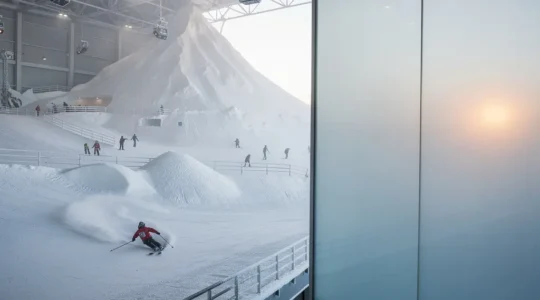
Ski Dubai vs. Snow Abu Dhabi: An Instructor’s Guide for Active Families
For active families, Ski Dubai is the superior choice for a genuine winter sports experience, while Snow Abu Dhabi excels as a magical snow playground for younger children. Ski Dubai offers actual ski slopes (up to 400m) and a professional…
Read more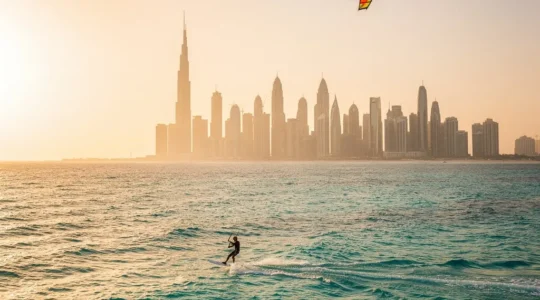
Kitesurfing in Dubai: Where to Find Consistent Wind During Winter Months?
The secret to consistent winter kitesurfing in Dubai isn’t luck; it’s understanding the predictable science behind its local winds. The reliable 2 PM wind is a thermal sea breeze, predictable with the right temperature and atmospheric data. Urban spots like…
Read more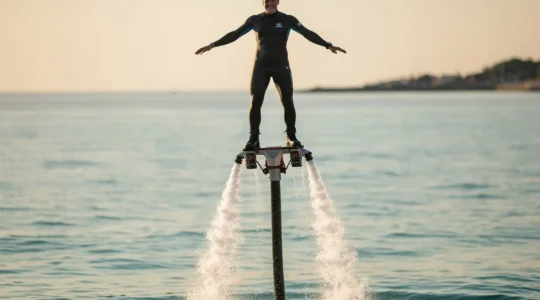
Flyboarding for Beginners: How to Get Up and Flying in Your First 10 Minutes
In summary: Success in flyboarding isn’t about leg strength; it’s about mastering core stability and making tiny ankle corrections. Your equipment setup and, more importantly, calm water conditions are critical for a fast learning curve. Learning the correct “Pencil Fall”…
Read more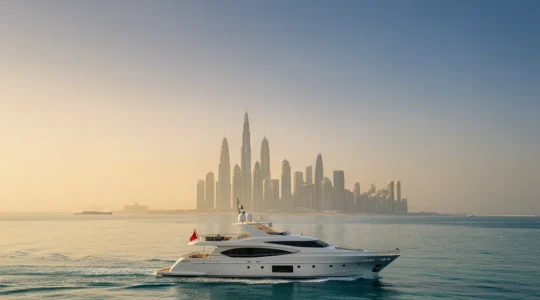
Assume Command: A Legal Guide to Renting a Yacht Without a Captain in the Arabian Gulf
Renting a yacht without a captain—a “bareboat charter”—in the Arabian Gulf means you are not just a guest; you become the legal commander of the vessel. This guide clarifies the significant responsibilities you inherit, from regulatory compliance and navigational due…
Read more
Is Dune Bashing Safe for Children and Seniors?
The safety of dune bashing depends less on age and more on understanding and managing physical forces through certified equipment and physiological preparation. Vehicle safety is non-negotiable, defined by features like professional-grade roll cages and correct tire pressure. Passenger comfort…
Read more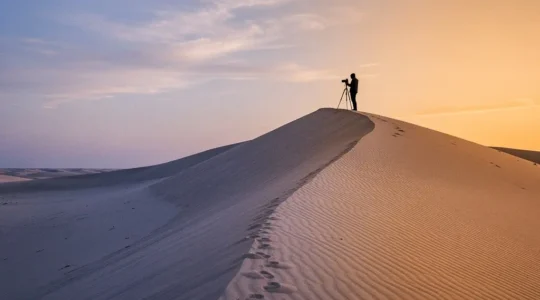
Morning vs. Evening Desert Safari: A Photographer’s Guide to Perfect Light
The best desert photos don’t come from choosing morning or evening, but from actively controlling your safari’s logistics. Secure the front passenger seat for unparalleled shot stability and panoramic views during dune bashing. Use the main camp’s dinner rush as…
Read more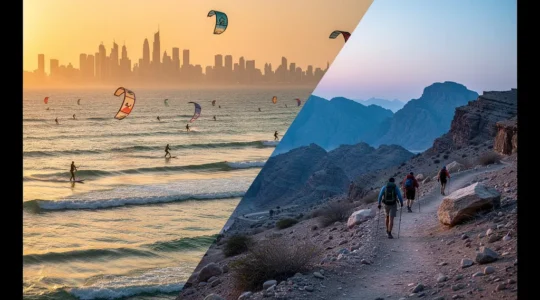
UAE Adventure Planner: A Seasonal Strategy for Outdoor Sports in Winter and Summer
The best time for UAE sports isn’t a season, but a specific, data-driven schedule adapted to harsh environmental realities. Summer survival hinges on pre-dawn starts (5 AM), understanding humidity’s impact (WBGT), and using heat-proof gear that won’t fail. Winter offers…
Read more
Navigating the UAE Art Scene: A Guide to Discovering Emerging Local Artists
The true value in the UAE art market lies not in blue-chip names, but in understanding the conceptual dialogue between the region’s hyper-growth and its cultural identity. Collecting emerging art requires shifting focus from decorative appeal to an artist’s narrative…
Read more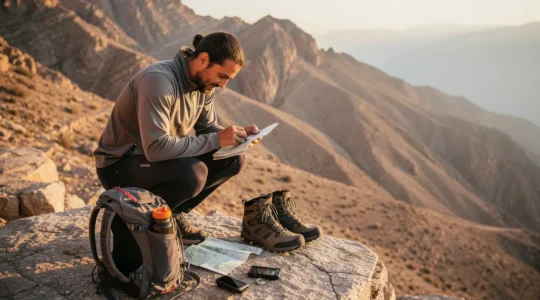
Hiking in the UAE: What Equipment Do You Really Need for Desert Mountains?
Your expensive gear is useless if you don’t understand the unique environmental traps of UAE mountains. The biggest dangers are not gear-related but environmental: flash floods, thermal inertia, and critical miscalculations. Safety comes from a mindset shift, not a longer…
Read more
Where Can You See the Arabian Oryx in the Wild Across the UAE?
Many visitors hope to see the UAE’s national animal, the Arabian Oryx, but often end up on tours that only scratch the surface. The key isn’t just knowing where to go, but how to approach the desert with a guardian’s…
Read more