In summary:
- Alserkal Avenue is more than an art district; it’s a cultural ecosystem with its own social codes.
- Find the best workspaces by matching cafe vibes (from intense focus to social buzz) with your creative needs.
- Unlock the true experience by learning the insider language, like ordering from secret menus.
- Plan your visit strategically to avoid common frustrations like parking and to catch unique workshops.
If you’re a creative soul or a digital nomad in Dubai, you’ve likely felt it: a longing for something authentic amidst the city’s dazzling, futuristic sheen. You appreciate the ambition of the skyscrapers and the scale of the malls, but you’re searching for texture, for community, for a place that feels less manufactured and more grown. You’re looking for the city’s heartbeat, not just its glittering facade.
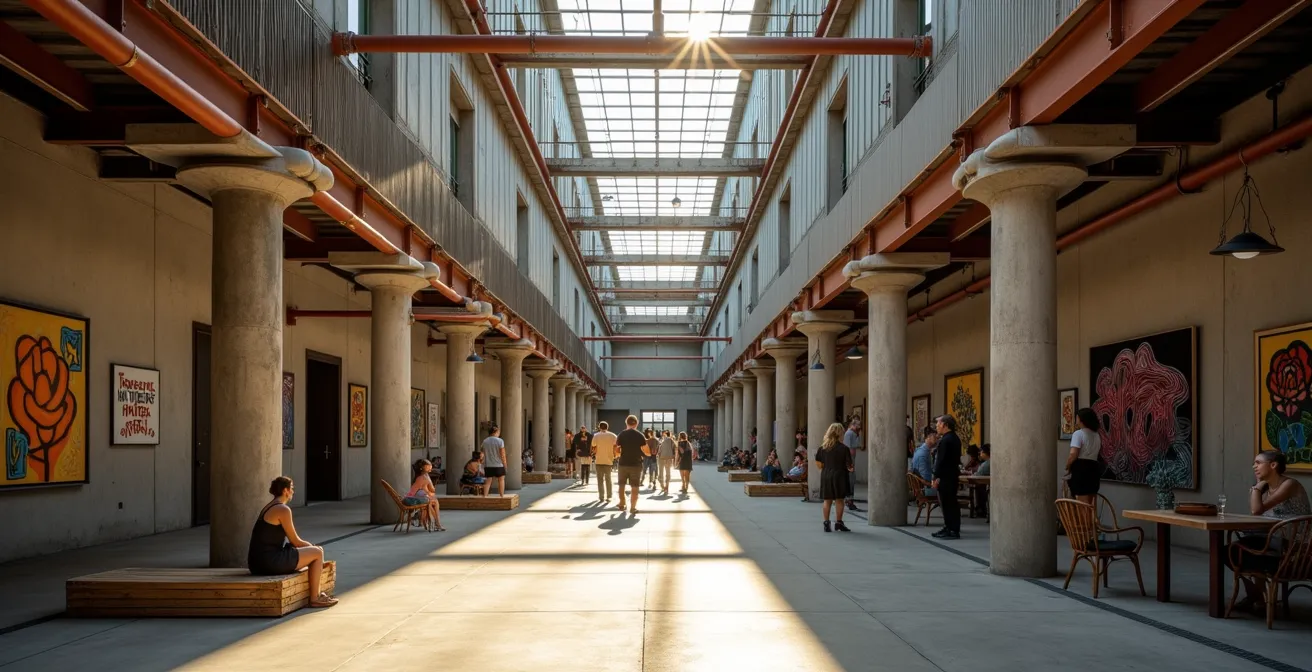
The typical travel advice points towards grand attractions, but the real magic for people like us lies in spaces that foster connection and inspiration. This is where Alserkal Avenue comes in, a sprawling industrial compound in Al Quoz that has been radically transformed into the epicenter of Dubai’s contemporary art and culture scene. But treating it as just another tourist spot is a mistake. It’s not a museum you simply walk through; it’s a living, breathing creative ecosystem.
But here’s the secret most guides won’t tell you: to truly experience Alserkal, you need to understand its unwritten rules and rhythms. It’s about knowing which cafe is best for deep work versus a collaborative chat, how to talk to a gallerist, or even what to order to show you’re in the know. This isn’t just about what to see; it’s about how to belong. This guide is your key to unlocking that experience, moving you from a visitor to an insider.
We’ll explore how this industrial zone became a cultural powerhouse, guide you to the perfect cup of coffee for your workflow, and even let you in on a few local secrets. Consider this your roadmap to navigating the art, the community, and the caffeine of Dubai’s most inspiring neighborhood.
Summary: A Creative’s Guide to Alserkal Avenue’s Best Cafes and Art Spaces
- Why Did Converting Warehouses Change the Cultural Landscape of Dubai?
- How to Watch Independent Films at Cinema Akil?
- Cold Brew or Vegan Latte: Which Alserkal Cafe Has the Best Workspace?
- The Parking Mistake That Ruins Your Arrival at Alserkal Avenue
- When to Check the Calendar for Clay or Perfume Making Workshops?
- DIFC Galleries or Warehouse Spaces: Which Scene Fits Your Taste?
- How to Order a “Hassan Mathar” or “Francisco” Sandwich?
- Navigating the UAE Art Scene: Where to Find Emerging Local Artists?
Why Did Converting Warehouses Change the Cultural Landscape of Dubai?
To understand Alserkal Avenue, you have to look past the finished galleries and trendy cafes and see the ghost of what was: a cluster of marble-processing warehouses in the industrial Al Quoz district. The transformation wasn’t a top-down government project; it was an organic shift, a grassroots movement that redefined Dubai’s cultural identity. It started with a single, bold move. In 2009, when Carbon 12, a contemporary art gallery, relocated to the area, it planted a flag for art in an unlikely landscape. Others soon followed, drawn by the large, raw, and affordable spaces.
This was more than just a real estate trend; it was a philosophical one. The warehouses offered a blank canvas, a stark contrast to the polished, prescribed spaces found elsewhere in the city. This industrial shell became the perfect incubator for creativity that was raw, challenging, and experimental. The movement quickly gained momentum, and the area grew from a handful of galleries into a sprawling creative ecosystem. The district’s expansion saw it grow into a massive 500,000 square feet housing over 70 contemporary art galleries and cultural organizations.
This conversion fundamentally changed Dubai’s cultural scene by creating a centralized, walkable hub where artists, curators, collectors, and the public could converge. It wasn’t just about showing art; it was about building a community around it. The raw, unpretentious setting democratized the art experience, making it more accessible and less intimidating than a traditional museum. It proved that culture could thrive outside of purpose-built institutions, finding its most authentic voice in the most unexpected of places.
How to Watch Independent Films at Cinema Akil?
Tucked away in warehouse 68 is Cinema Akil, the GCC’s only independent arthouse cinema and a true sanctuary for film lovers. Forget the impersonal multiplex experience; this is something else entirely. Walking in feels like stepping into a friend’s impossibly cool, vintage-furnished living room. The space is filled with mismatched, plush sofas you can sink into, creating an intimate and cozy atmosphere that encourages a shared, communal viewing experience.

Watching a film here is an event. The program is carefully curated, featuring a mix of critically acclaimed international films, indie darlings, and thought-provoking documentaries that you simply won’t find anywhere else in Dubai. To plan your visit, the best approach is to check their website or Instagram page (@cinemaakil) for the monthly schedule. Screenings often sell out, especially on weekends, so booking tickets online in advance is highly recommended.
The experience isn’t complete without a visit to Project Chaiwala, the kiosk adjoined to the cinema. Grabbing a cup of their signature karak chai before the film starts is a cherished ritual. The scent of cardamom and ginger fills the air, adding another sensory layer to the experience. Cinema Akil is more than a movie theater; it’s a cultural hub that champions storytelling and provides a vital platform for alternative voices in film.
Cold Brew or Vegan Latte: Which Alserkal Cafe Has the Best Workspace?
For digital nomads and creatives, a cafe is more than just a place for caffeine; it’s an office, a meeting room, and a source of inspiration. Alserkal Avenue is a productive oasis in this regard, with several spots catering to those who need to plug in and get to work. The rise of such spaces mirrors a larger trend in the UAE, where Dubai captures 69.3% of the co-working market, and smaller, niche facilities are thriving. The key is finding the right vibe for your workflow.
For the Focused Coder: Nightjar Coffee Roasters. If your priority is potent, high-quality coffee and an energetic buzz, Nightjar is your spot. Famous for their “industrial strength” cold brew on tap, this is where you go for serious focus. The aesthetic is pure, refined industrial, with shared high tables that are great for solo work. It can get loud, but with a good pair of headphones, the energetic atmosphere can fuel intense productivity sprints. Power outlets are available, but can be competitive during peak hours.
For the Collaborative Creative: A4 Space. A4 is less of a cafe and more of a free co-working space with a cafe inside. It’s designed for collaboration, with a variety of seating options, a mezzanine “quiet” area, and even a small cinema screen. The vibe is explicitly community-oriented and relaxed. The Wi-Fi is reliable, and there are plenty of power outlets. It’s the ideal place to spread out, meet other creatives, or simply feel part of a collective buzz without the pressure of constant ordering.
For the Aesthetic-Minded Writer: Wild & The Moon. If you thrive in a bright, clean, and beautiful environment, this is your sanctuary. Wild & The Moon offers a 100% organic, plant-based menu with delicious vegan lattes and healthy juices. The bright, minimalist decor is calming and conducive to clear thinking. It’s generally quieter than Nightjar, making it perfect for writing or reading. It’s a place that nourishes both your body and your creativity.
The Parking Mistake That Ruins Your Arrival at Alserkal Avenue
Let’s talk about the least glamorous but most crucial part of your visit: parking. Arriving at Alserkal Avenue for the first time can be a bit disorienting, and the single biggest mistake visitors make is underestimating the parking challenge, especially during peak times or events. Aimlessly circling the warehouses in search of a spot can quickly sour the creative, relaxed vibe you came for. A little bit of navigational nuance goes a long way here.
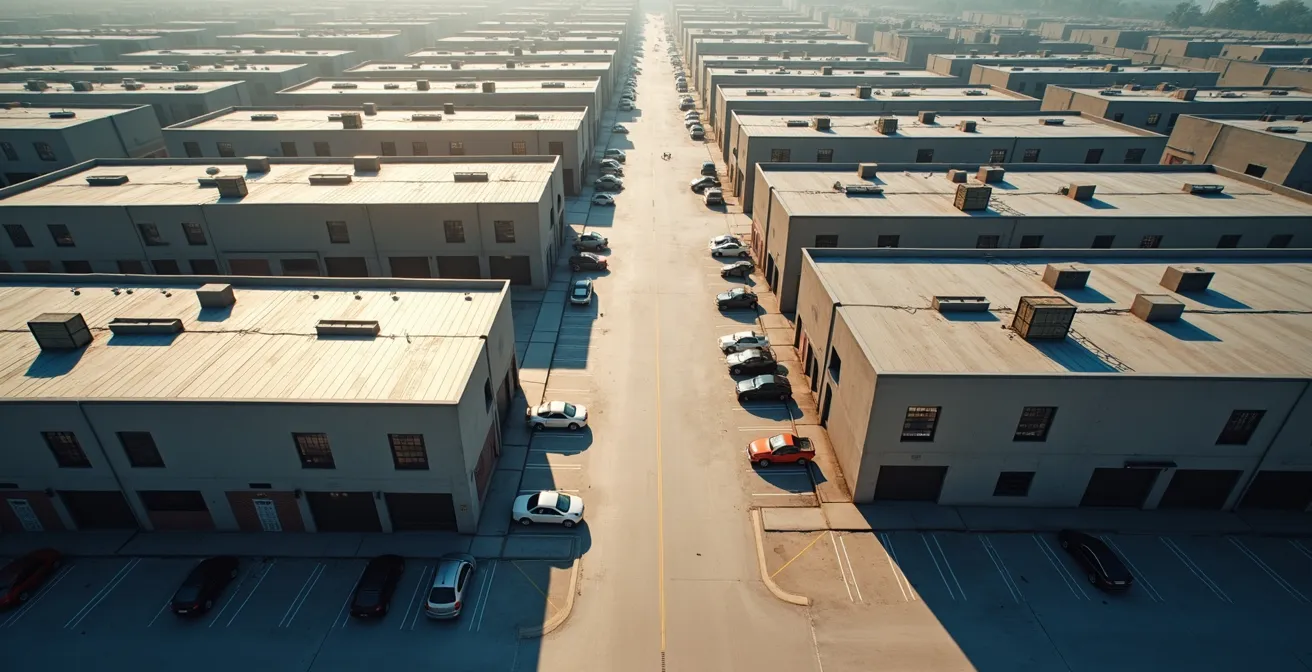
The key is to have a strategy. Don’t just show up and hope for the best. On a typical weekday morning, you can often find RTA street parking near the front warehouses (1-20). However, if you’re arriving after 11 am or on a weekend, this is highly unlikely. Your best bet is to use the valet service, which has two locations: one at the main entrance (Street 8) and a second, often less congested one, at the Al Khail Street entrance.
During major events like Alserkal Art Week or on Thursday evenings, driving becomes impractical. The smartest move is to park once and explore the entire district on foot. Even better, consider using a ride-sharing service like Careem or Uber. They have a designated drop-off point at the Al Khail entrance that allows you to bypass the main entrance congestion entirely. This simple choice can be the difference between a stressful arrival and a smooth, seamless entry into this creative world.
When to Check the Calendar for Clay or Perfume Making Workshops?
Alserkal Avenue is not just a place for passive consumption of art; it’s a hub for active creation. The district’s many workshops are a core part of its identity, offering a chance to get your hands dirty, learn a new skill, and connect with your own creativity. It’s a philosophy of engagement that elevates the entire experience.
Workshops at Alserkal Avenue are a testament to the district’s commitment to interactive learning and creative development. These sessions cover various disciplines, from painting and sculpture to film-making and creative writing, providing a platform for hands-on, practical learning from industry professionals.
– H Hotel Dubai, Alserkal Avenue Dubai: Art, Culture & Hidden Gems
Spaces like thejamjar offer painting and pottery sessions, Oo La Lab hosts perfume-making workshops, and various galleries run special classes with visiting artists. The key to participating is timing and planning. The workshop schedule is dynamic and constantly updated, so your first step should always be to check the official Alserkal Avenue website’s calendar, as well as the individual websites or social media pages of the studios you’re interested in.
Weekend workshops, particularly popular sessions like pottery or special artist-led classes, can book out weeks in advance. If you have your heart set on a specific experience, booking at least two to three weeks ahead is a wise move. For a more spontaneous visit, weekday mornings often have more availability. These hands-on sessions are the perfect way to break up a day of gallery hopping and remote work, allowing you to switch from observer to creator and truly immerse yourself in the Avenue’s artistic spirit.
DIFC Galleries or Warehouse Spaces: Which Scene Fits Your Taste?
Dubai’s art scene isn’t monolithic; it has two distinct poles with entirely different energies: the polished galleries of the Dubai International Financial Centre (DIFC) and the raw, industrial spaces of Alserkal Avenue. Understanding the contrast is key to finding the scene that resonates with you. DIFC is where art meets finance; it’s sleek, corporate, and quiet. The galleries are nestled among high-end restaurants and investment banks, attracting established collectors and business professionals.
Alserkal Avenue, on the other hand, is the heart of the city’s grassroots creative community. It’s experimental, collaborative, and buzzing with energy. It’s where you’ll find students, emerging artists, and curious minds engaging in conversation. This is reflected not just in the art, but in the entire atmosphere, from the dress code to the price points. A recent comparative analysis highlights these differences perfectly.
| Aspect | DIFC Galleries | Alserkal Avenue |
|---|---|---|
| Art Vibe | Polished & Established | Raw & Experimental |
| Dress Code | Business Casual | Creative & Casual |
| Typical Crowd | Finance Professionals & Collectors | Artists & Students |
| Price Point | Investment Pieces | Emerging Artist Prices |
| Experience | Quiet contemplation in corporate setting | Community interaction in living space |
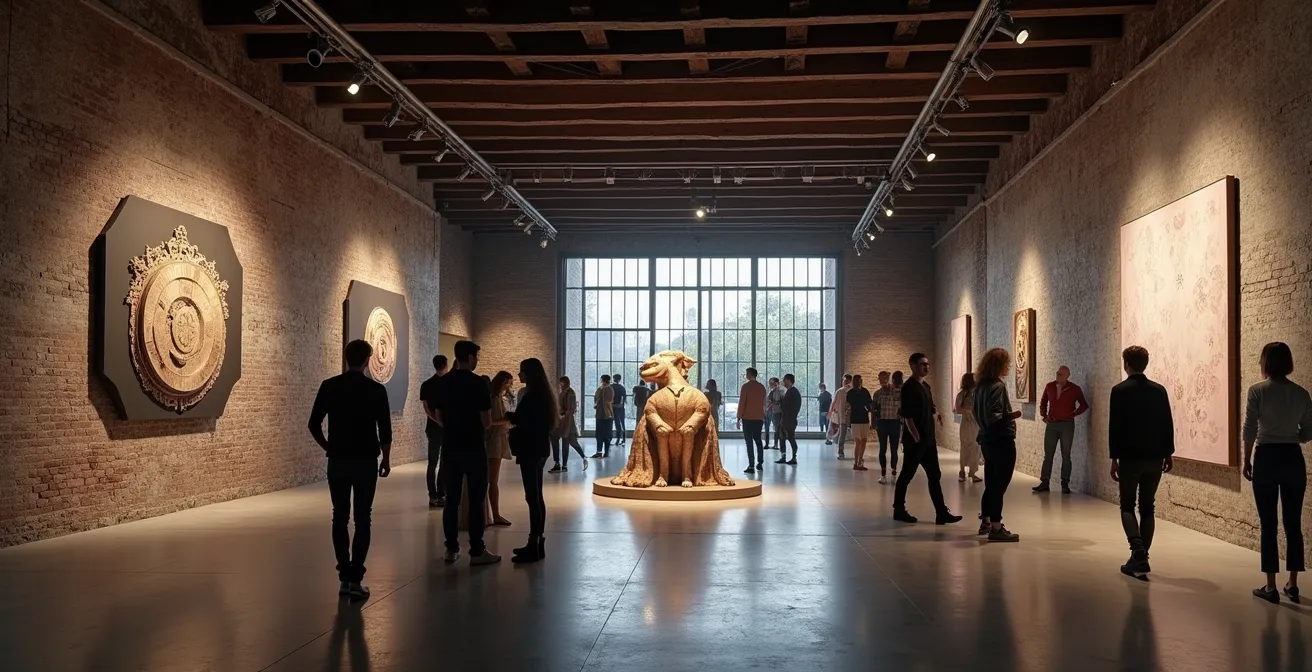
Ultimately, your choice depends on what you’re seeking. If you want to see blue-chip artists in a contemplative, museum-like setting, DIFC is an excellent choice. But if you want to feel the pulse of Dubai’s contemporary art scene, discover emerging talent, and be part of a vibrant creative ecosystem, Alserkal Avenue is your destination. Its raw aesthetic is not a flaw; it’s the feature, providing a dynamic backdrop for art that is alive and in dialogue with its community.
Key takeaways
- Alserkal’s value lies in its community and culture, not just its physical spaces.
- True enjoyment comes from active participation, whether through a workshop or a simple conversation.
- Mastering the small “insider” details transforms you from a tourist into a participant.
How to Order a “Hassan Mathar” or “Francisco” Sandwich?
At the heart of the Alserkal experience is a sense of community, and nothing signals belonging more than being in on a local secret. This is the essence of “cultural currency,” and its best example can be found at Project Chaiwala, the beloved tea spot connected to Cinema Akil. While their menu offers delicious chai and snacks, their most coveted items aren’t on it. Learning how to order them is a rite of passage.
The Secret Menu Culture at Project Chaiwala
Project Chaiwala has cultivated a loyal following, partly through its off-menu sandwiches, the ‘Hassan Mathar’ and the ‘Francisco’. These items, named after regulars and staff, are more than just food; they are a social token. Knowing to ask for them by name signals that you’re not just a random visitor, but someone who understands the local culture. It’s an unspoken acknowledgment that you are part of the inner circle of Alserkal’s creative community, turning a simple lunch order into an act of cultural participation.
This insider knowledge extends beyond just one cafe. It’s a mindset of engaging with the people behind the counters, showing genuine curiosity, and building rapport. Baristas and shopkeepers are the gatekeepers of the Avenue’s best-kept secrets, and they are more likely to share them with regulars and friendly faces. By treating every interaction as a potential conversation, you open the door to a deeper, more rewarding experience.
Your Insider’s Cheat Sheet: Ordering Like a Regular
- At Project Chaiwala: Ask for the ‘Hassan Mathar’ or ‘Francisco’ by name—don’t ask what’s in them first. Trust the process.
- At Nightjar: Need a serious kick? Request the ‘industrial strength’ cold brew, an off-menu option for true caffeine aficionados.
- At Wild & The Moon: If you’re there before 10 am, ask for the ‘artist’s breakfast’ to try their special, unlisted açai bowl.
- At KAVE: When you order, participate in their community tradition by offering to “pay forward” a roti for someone in need.
- General Tip: Build rapport with the baristas first. Secret menu items and recommendations are earned through friendly, regular interaction.
Navigating the UAE Art Scene: Where to Find Emerging Local Artists?
While Dubai is a global hub, Alserkal Avenue has carved out a crucial role as a champion for local and regional talent. For creatives and collectors looking to discover the next generation of artists from the Middle East, North Africa, and South Asia (MENASA), this is the most fertile ground in the UAE. The district’s programming arm was specifically created to support and elevate these voices, a mission that has yielded international recognition.
The same year, it launched its programming arm to support local talent, focusing primarily on artists from the Middle East, North Africa and South Asia. Two contemporary art galleries from the district, Gallery Isabelle van den Eynde and Green Art Gallery, were selected to participate in Art Basel in the Art Statements section, “for the first time in the history of the region”.
– Wikipedia, Alserkal Avenue History
So, how do you find these emerging artists? The first step is to know which galleries to focus on. Green Art Gallery has a strong focus on Middle Eastern artists, while Gallery Isabelle van den Eynde is known for launching multi-regional talents. The best time to connect is during gallery opening nights (vernissages). Arrive within the first hour to speak directly with the artists before the crowds swell. When you do, focus your questions on their process and inspiration rather than immediately on price; it shows genuine interest and respect.
For maximum exposure, plan your visit to coincide with Alserkal Art Week, which happens around the same time as the larger Art Dubai fair in March. This is when the entire district comes alive with special exhibitions, talks, and open studios. After you visit, don’t let the connection end there. Most Alserkal artists maintain an active Instagram presence, which is a great, informal way to follow their work and engage with them directly. It’s this direct line to the creator that makes the art scene here so dynamic and personal.
Now that you’re equipped with the insider knowledge to navigate the art, cafes, and community of Alserkal Avenue, the final step is to go and immerse yourself. Explore with curiosity, start conversations, and allow yourself to get lost in the creative energy that fills these warehouses.
Frequently Asked Questions About A Day at Alserkal Avenue: How to Find the Best Indie Cafes and Art Spaces?
Which workshop type suits solo creators seeking meditation?
Clay and pottery workshops at venues like thejamjar offer meditative, hands-on experiences perfect for individual creative exploration. The tactile nature of working with clay allows for a quiet, focused activity that can feel very grounding and centering, making it ideal for a solo creative looking for a moment of mindfulness.
How far in advance should I book popular workshops?
You should book at least 2-3 weeks ahead for weekend workshops. This is especially true for any sessions led by visiting international artists or for special one-off events, as these tend to fill up the fastest due to high demand from the local creative community.
What are the typical workshop timings at Alserkal Avenue?
Most workshops and studios operate from Saturday to Thursday, generally between 10am and 7pm. Be aware that weekend sessions, particularly in the afternoon between 3:30pm and 5:30pm, are the most popular and will require booking further in advance.