Blog
The United Arab Emirates has evolved into one of the world’s most strategic travel hubs, offering far more than a single destination experience. Whether you’re planning a standalone visit or using the region as a springboard for exploring neighboring countries, understanding the nuances of UAE-based travel can transform a good trip into an exceptional journey. Yet many first-time visitors find themselves overwhelmed by contradictory information, cultural uncertainties, and logistical complexities that seem daunting at first glance.
This resource addresses the most common questions and challenges travelers face when planning UAE-centered journeys. From leveraging the region’s world-class airport infrastructure to navigating cultural protocols with confidence, from timing your visit to avoid scorching heat and inflated prices to packing appropriately for dramatically different environments—each element plays a crucial role in your overall experience. The following sections will equip you with practical knowledge to make informed decisions, avoid costly mistakes, and approach your journey with genuine understanding rather than unfounded anxiety.
Strategic Planning for Multi-Destination Itineraries
The UAE’s geographical position makes it an exceptional launching point for exploring multiple countries in a single journey. Understanding how to capitalize on this advantage requires awareness of several interconnected factors that can significantly impact both your budget and travel experience.
Leveraging UAE Airports as Connection Hubs
Dubai International and Abu Dhabi International function as global crossroads, connecting over 240 destinations across six continents. This extensive network means you can efficiently combine UAE exploration with visits to East Africa, South Asia, or even the Maldives within a single trip. The key advantage lies in the frequent flight schedules—major routes often feature multiple daily departures, giving you flexibility to adjust your itinerary without being locked into weekly connections that characterize less-connected airports.
When designing your route, consider whether a circular itinerary (different entry and exit points) or a hub-and-spoke pattern (returning to UAE between destinations) better serves your goals. The former maximizes geographical efficiency, while the latter offers the comfort of storing luggage and maintaining a base, particularly valuable for longer journeys or when traveling with children.
Visa Management and Multi-Entry Strategies
Transit visa requirements vary dramatically based on your nationality and planned stopover duration. Many nationalities receive visa-on-arrival for UAE visits, but complications arise when your itinerary involves exiting and re-entering the country. A common scenario involves flying into Dubai, traveling overland to Oman, then returning to Dubai for your departure flight—this pattern requires understanding multi-entry provisions specific to your passport.
Research visa policies for all countries in your sequence well in advance. Some travelers benefit from obtaining a longer-validity UAE visa that accommodates multiple entries, while others find it more economical to structure their route to minimize border crossings. Document requirements and processing times can extend to several weeks during peak periods, so beginning this research early prevents last-minute complications.
Choosing Your Entry Point: Dubai vs Abu Dhabi
These two emirates offer distinctly different first impressions and practical advantages. Dubai’s airport handles greater international traffic and typically provides more flight options and competitive pricing, particularly for connections to Asian and African destinations. Its established tourism infrastructure means abundant accommodation options across all price points and immediate access to iconic landmarks that many first-time visitors prioritize.
Abu Dhabi presents a more measured pace and often lower accommodation costs outside peak events. Its airport, while smaller, offers a less overwhelming arrival experience and can provide better connections to certain Middle Eastern and European cities. For travelers continuing to Oman or the UAE’s eastern coast, Abu Dhabi’s position may reduce backtracking. Your choice should align with your specific route, available flight deals, and whether you prefer diving into high-energy Dubai or easing into the region through Abu Dhabi’s calmer atmosphere.
Timing Your Journey: Climate, Culture, and Costs
When you travel to the UAE matters as much as how you plan it. The region experiences dramatic seasonal variations that affect everything from daily comfort to accommodation availability and pricing structures.
Seasonal Considerations and Weather Patterns
The UAE’s climate divides into two distinct periods: the pleasant winter months (November through March) and the intensely hot summer (June through September). Winter temperatures ranging from 24°C to 28°C make outdoor exploration genuinely enjoyable, while summer regularly exceeds 40°C with high humidity in coastal areas. This isn’t merely uncomfortable—it fundamentally limits what you can realistically experience during midday hours.
If your multi-country itinerary includes diverse climates, sequencing becomes critical. Beginning in the UAE during cooler months, then progressing to higher-altitude destinations or southern hemisphere locations as temperatures rise, demonstrates strategic planning that enhances rather than battles natural conditions. Consider that indoor attractions and air-conditioned malls become primary activities during summer, fundamentally changing the travel experience.
Navigating Cultural Calendars and Ramadan
Ramadan, the Islamic holy month of fasting, profoundly affects daily rhythms across the UAE. Operating hours shift dramatically—many businesses open later and close earlier, restaurants remain shuttered until sunset, and the overall pace slows considerably. While the experience offers unique cultural insights and evening festivities, it requires adjusting expectations and schedules.
Common planning mistakes include booking ambitious daily itineraries during Ramadan without accounting for reduced operating hours, or arriving unprepared for restrictions on public eating and drinking during daylight hours. Respectful visitors adapt by carrying snacks discreetly, planning indoor activities during peak heat hours, and embracing the transformed atmosphere of evening iftar celebrations when cities come alive with remarkable energy and hospitality.
Avoiding Peak Pricing Periods
Three distinct periods see accommodation costs double or triple: the winter holiday season (late December through early January), major sporting or cultural events, and school holiday periods in source markets like the UK and Russia. Hotel inventory in popular areas can sell out months in advance during these windows, leaving budget-conscious travelers with limited options.
The shoulder seasons of October-November and March-April offer the optimal balance—temperatures remain manageable, crowds thin considerably, and accommodation rates drop significantly. Booking flexibility during these periods allows you to capitalize on last-minute deals while still enjoying favorable weather conditions that make outdoor exploration practical and pleasant.
Understanding Local Culture and Social Etiquette
Cultural competence transforms your UAE experience from superficial tourism to meaningful engagement. While the region has adapted to accommodate millions of international visitors, demonstrating awareness of local customs earns respect and opens doors to authentic interactions that enrich your journey.
The Greeting Protocol and Social Interactions
Emirati greetings follow specific patterns that reflect the culture’s emphasis on warmth and respect. The standard Arabic greeting “As-salamu alaykum” (peace be upon you) with its response “Wa alaykumu as-salam” (and upon you, peace) appropriately opens most interactions. Physical contact between genders varies by individual comfort levels—wait for others to extend their hand rather than assuming a handshake is welcome.
When interacting with locals, expect genuine inquiries about your well-being and travel experience. These aren’t mere formalities but expressions of sincere hospitality that characterize Emirati culture. Reciprocating this warmth, showing interest in their perspectives, and asking thoughtful questions about local culture demonstrates respect that typically generates remarkably generous responses, from dining invitations to insider recommendations you won’t find in any guidebook.
Conversation Topics and Cultural Sensitivity
Certain subjects require careful navigation. Political discussions, particularly those critical of regional governments or leaders, should be avoided entirely—what might constitute acceptable political debate in your home country can carry serious consequences here. Similarly, religious debates or criticism of Islamic practices demonstrate profound disrespect in a society where faith forms a central pillar of identity and daily life.
Instead, focus on universally safe topics: the remarkable development of the UAE, architectural achievements, family (a deeply valued concept), travel experiences, food, and business or professional topics. Asking about local traditions, upcoming festivals, or recommendations for authentic experiences typically generates enthusiastic conversations. If you’re unsure whether a topic might cause offense, the simple principle applies: when in doubt, redirect to more neutral ground.
Generosity, Hospitality, and Dining Customs
Arabic hospitality, or “karam,” represents a deeply embedded cultural value that often surprises visitors with its genuine warmth. If invited to a local home, expect abundant food, multiple courses, and insistent offers of more—refusing entirely can cause offense, while accepting graciously honors your host. The practice of eating with your right hand remains traditional, though utensils are always available and acceptable.
Coffee service carries particular significance. Arabic coffee (gahwa) is served in small cups, and accepting at least one cup respects tradition. Gently shaking your cup side to side when you’ve had enough signals you’re satisfied—simply saying “no thank you” may result in continuous refills. During shared meals, waiting for the eldest or most senior person to begin eating before you start demonstrates proper respect for hierarchy that remains important in Emirati culture.
Everyday Etiquette: From Seating to Road Manners
Public behavior expectations differ from Western norms in subtle but important ways. Modest dress remains appreciated, particularly in government buildings, traditional souqs, and residential areas—shoulders and knees covered represents a respectful baseline. In shared spaces like metros or waiting areas, designated family sections exist specifically for women and children; men should avoid these areas entirely.
Vehicle etiquette includes understanding that horn usage carries different meaning here than in many Western countries. While excessive honking frustrates everyone, a brief horn tap often serves as a simple communication tool rather than an expression of anger. As a pedestrian, never assume right-of-way—defensive crossing and using designated signals protects your safety far better than relying on driver courtesy in a car-centric environment where traffic moves rapidly.
Daily Optimization: Beating Heat, Traffic, and Crowds
Practical daily planning determines whether you return energized or exhausted. The UAE’s unique challenges—extreme temperatures, traffic congestion patterns, and tourist concentration at popular sites—require strategic scheduling that works with rather than against these realities.
Structuring Your Daily Schedule
The optimal UAE daily rhythm contradicts typical tourist patterns. Start early—by 7:00 AM during winter or 6:00 AM during summer—when temperatures remain comfortable and attractions less crowded. Schedule outdoor activities, walking tours, and photography during these golden morning hours. Return to accommodation during the intense midday heat (roughly 11:00 AM to 4:00 PM) for rest, meal planning, or indoor activities like museum visits or spa treatments.
Evening hours from 5:00 PM onward offer your second window for outdoor exploration as temperatures drop and cities illuminate beautifully. This schedule aligns with local rhythms, as many Emiratis themselves avoid midday outdoor activities and become more active after sunset. Attempting to maintain a continuous sightseeing schedule from morning through evening, as you might in European cities, leads to heat exhaustion and diminished enjoyment of what should be memorable experiences.
Inter-City Transport Options
Moving between emirates requires choosing between several transport modes, each with distinct advantages. Rental cars provide maximum flexibility and cost-effectiveness for groups, with well-maintained highways and clear signage making navigation straightforward. However, parking in central Dubai can be expensive and challenging, while unfamiliar driving styles require adjustment and confidence.
Inter-city buses operated by government companies offer budget-friendly alternatives with surprisingly comfortable coaches and reliable schedules. The Dubai-Abu Dhabi route, for instance, features departures every 30-40 minutes throughout the day. Private car services or apps provide door-to-door convenience at moderate cost, particularly valuable when traveling with luggage or in groups where per-person pricing becomes competitive with other options. Avoid making transport decisions based solely on cost—factor in convenience, time efficiency, and your specific circumstances like flight schedules or mobility considerations.
Packing for Diverse Environments
Multi-environment travel through the region demands thoughtful packing that accommodates dramatically different conditions. Beyond the obvious lightweight, breathable clothing for heat, several items prove unexpectedly essential: a light jacket or pashmina for aggressive air-conditioning in malls, restaurants, and transport; modest cover-ups for religious or traditional sites; comfortable walking shoes with good arch support for extensive mall navigation and urban exploration.
If your itinerary includes mountain areas in Oman or Ras Al Khaimah, temperatures can drop significantly, requiring actual warm layers. Desert excursions necessitate sun protection beyond typical needs—high SPF sunscreen, wide-brimmed hats, and sunglasses become non-negotiable rather than optional. A reusable water bottle remains critical for constant hydration, though remember that finding refill locations requires planning as public water fountains are uncommon. The strategic packing principle: prioritize versatile pieces in neutral colors that work across various contexts, from casual sightseeing to upscale dining.
Financial Strategy and Common Pitfalls
The UAE presents a complex pricing landscape where luxury and value coexist, but unwary travelers easily overspend on avoidable expenses while missing genuine opportunities for reasonable pricing.
High-Season Tourism Traps
Tourist-concentrated areas deploy predictable pricing strategies that exploit unfamiliarity and convenience. Hotel mini-bars charge multiples of retail prices for identical items available at nearby supermarkets. Tour operators at hotel concierges typically add 30-50% markup compared to booking identical experiences directly or through local tour companies. Taxis waiting at tourist attractions often suggest “fixed price” arrangements that exceed metered fares, capitalizing on visitors’ uncertainty about appropriate costs.
Dining within major attractions or hotels represents another common expense inflation point. A meal at a Dubai Mall restaurant costs significantly more than identical cuisine at neighborhood eateries a short distance away. Learning to step slightly outside tourist bubbles—even just a few blocks—reveals dramatically different pricing structures. Download ride-hailing apps, research actual distance to attractions, and always check if metered taxi options exist before accepting fixed-price arrangements.
Budget-Conscious Planning
Strategic spending in the UAE doesn’t mean sacrificing experience quality. Many of the region’s most memorable activities—traditional souq exploration, public beach access, architectural appreciation, cultural districts like Al Fahidi Historical Neighborhood—cost nothing or very little. Focusing your budget on a few genuinely unique experiences rather than spreading funds across numerous mediocre activities creates more meaningful memories.
Accommodation represents your largest controllable expense. Properties slightly away from prime districts offer substantially better value while remaining easily accessible via excellent public transport or short rides. Eating where locals eat—small Pakistani, Indian, Filipino, or Emirati restaurants—provides authentic, excellent food at a fraction of tourist-area prices. The UAE rewards research-oriented travelers who invest time understanding actual costs versus tourist pricing, allowing you to experience luxury selectively while maintaining reasonable overall spending.
Dispelling Myths and Building Confidence
Misconceptions about the UAE create unnecessary anxiety that prevents travelers from fully engaging with the destination. Separating reality from exaggerated perceptions enables confident, respectful exploration without paralyzing worry about unknowingly causing offense.
Reality vs Perception: Lifestyle and Restrictions
The UAE’s reputation for strictness significantly exceeds actual visitor experience for those exercising basic respect and common sense. Yes, laws exist regarding public displays of affection, alcohol consumption, and modest dress—but enforcement focuses on egregious violations rather than minor infractions. Millions of tourists visit annually without incident by following straightforward guidelines: don’t kiss passionately in public spaces, consume alcohol only in licensed venues, cover shoulders and knees in government buildings and traditional areas.
The lifestyle diversity in cosmopolitan Dubai and Abu Dhabi surprises many first-time visitors. You’ll encounter people from over 200 nationalities, world-class dining representing every cuisine imaginable, contemporary art galleries, beach clubs, and entertainment options that rival any global city. The key understanding: the UAE balances modernization with cultural preservation, creating a unique environment rather than a restrictive one. Approaching the destination with curiosity rather than apprehension, and willingness to adapt rather than judgment, unlocks the genuine experience most visitors ultimately find far more welcoming than anticipated.
Overcoming Choice Paralysis
First-time visitors often struggle with the overwhelming range of options—should you prioritize cultural experiences or modern attractions, focus entirely on Dubai or split time across emirates, invest in expensive signature experiences or explore independently? This paralysis stems from attempting to “see everything,” an impossible goal that creates stress rather than enjoyment.
Instead, identify your core interests and build around them. Architecture enthusiasts might prioritize museum visits and design districts over desert safaris. Food-focused travelers could structure days around market visits, cooking classes, and diverse neighborhood dining rather than standard tourist circuits. Accept that you’ll miss things—this creates reason to return rather than regret. Many travelers find that loosely structured itineraries with a few confirmed bookings but substantial free time for spontaneous exploration produce the most satisfying experiences, allowing you to respond to weather, energy levels, and unexpected discoveries rather than rushing between pre-scheduled commitments.
The UAE rewards preparation balanced with flexibility. Understanding the foundational elements—strategic route planning, cultural awareness, timing optimization, and practical daily management—provides the framework for confident exploration. Yet the region’s greatest pleasures often emerge from unexpected moments: conversations with locals that reveal hidden gems, stumbling upon neighborhood celebrations, or discovering that your initial apprehensions were unfounded. Approach your journey with thorough preparation for logistics and cultural respect, but remain open to the surprises that transform a well-planned trip into an unforgettable experience. Whether you’re using the UAE as a standalone destination or a strategic hub for broader regional exploration, the investment in understanding these interconnected elements pays dividends in comfort, cost-efficiency, and the depth of your engagement with this remarkable crossroads of tradition and innovation.

Dining with Locals: What Are the Essential Rules of Emirati Etiquette?
The fear of causing offense in the UAE comes from not knowing the ‘why’ behind the rules; true confidence comes from understanding the core cultural values of generosity and respect. Hospitality is an expression of honor, meaning food and drink…
Read more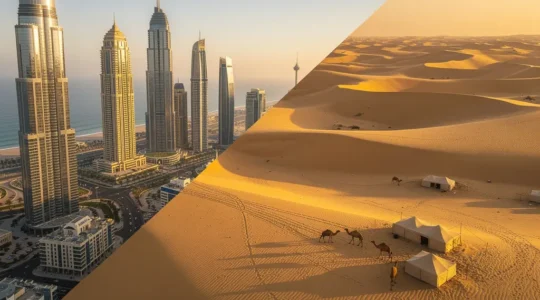
10 Days in the UAE: A Savvy Traveler’s Guide to Balancing Modernity and Culture
The secret to a rewarding UAE trip isn’t just seeing the sights; it’s understanding the unspoken rhythm of the country. Effective travel here means mastering “thermal navigation”—planning your day around the heat, not just locations. Each of the seven Emirates…
Read more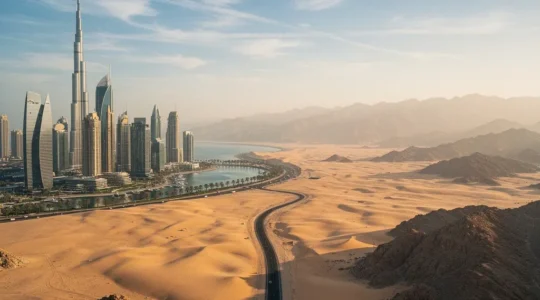
How to Plan a 14-Day Middle East Trip via Dubai Without Visa Headaches
Planning a multi-country Middle East trip feels complex, but the secret isn’t the destination list—it’s the logistical strategy you use from the start. Treating the UAE (Dubai or Abu Dhabi) as a strategic “hub” rather than just a first stop…
Read more