Destinations in the UAE
The United Arab Emirates presents a fascinating paradox for travelers: a federation of seven distinct territories often reduced to a single mental image of Dubai’s skyline. Yet this simplification overlooks the dramatic diversity packed into a country smaller than the state of Maine. From the cultural gravitas of Abu Dhabi to the rugged mountain terrain of Ras Al Khaimah, from sleepy fishing villages where time seems suspended to the otherworldly expanse of the Empty Quarter desert, each emirate offers a fundamentally different experience.
Understanding these differences isn’t just about completeness—it’s about matching destinations to your travel style. The visitor seeking family-friendly luxury will find a different anchor than the adventure enthusiast or the cultural explorer. This comprehensive look at UAE destinations will help you navigate beyond the familiar and construct an itinerary that reflects the federation’s true geographical and cultural spectrum.
Understanding the Seven Emirates: Beyond the Famous Two
The UAE’s federal structure creates a patchwork of experiences that many first-time visitors fail to anticipate. While Dubai and Abu Dhabi dominate international consciousness, the remaining five emirates—Sharjah, Ajman, Umm Al Quwain, Ras Al Khaimah, and Fujairah—collectively represent nearly half the country’s land area and preserve cultural and natural landscapes increasingly rare in the rapidly developing Gulf.
Each emirate maintains distinct legal codes, cultural attitudes, and development priorities. Sharjah’s alcohol prohibition contrasts sharply with Dubai’s cosmopolitan nightlife just kilometers away. Ajman’s compact waterfront offers a dramatically slower pace than its famous neighbor. This isn’t merely trivia—these variances directly impact what you can do, wear, and expect in each location. Failing to research these differences can lead to logistical frustrations and missed opportunities.
The geography itself tells a story of diversity. The western emirates (Abu Dhabi, Dubai, Sharjah, Ajman, Umm Al Quwain) line the Arabian Gulf with warm, shallow waters and extensive sandy coastlines. Ras Al Khaimah straddles both coasts with dramatic topographical variation. Fujairah alone sits entirely on the Indian Ocean side, where the Hajar Mountains plunge into deeper, cooler waters. This geological reality creates microclimates and ecosystems found nowhere else in the federation.
The trap many visitors fall into is treating the UAE as a single destination with minor variations. In reality, planning a route across all seven emirates requires the same strategic thinking as a European multi-country tour—considering distances, border crossings (though seamless for most), cultural progression, and thematic coherence.
Abu Dhabi: The Capital’s Cultural Landmarks and Family Appeal
Abu Dhabi positions itself as the UAE’s cultural and institutional heart, investing heavily in world-class museums, architectural icons, and family-oriented attractions that distinguish it from Dubai’s commercial energy. The emirate occupies the vast majority of UAE territory, yet its urban core maintains a more spacious, less frenetic layout than its northern neighbor.
Navigating the Iconic Cultural Sites
The Sheikh Zayed Grand Mosque and the Louvre Abu Dhabi represent the emirate’s twin pillars of cultural tourism—one celebrating Islamic architectural heritage, the other bringing global art narratives to the Arabian Peninsula. These aren’t interchangeable experiences; the Grand Mosque demands modest dress and specific visiting hours that close during prayer times, while the Louvre operates like any Western museum with climate-controlled galleries and fewer restrictions.
Dress code denial at the Grand Mosque remains a common frustration. The site provides abayas and kanduras for underdressed visitors, but you’ll save time by arriving appropriately covered: long sleeves, full-length pants or skirts, and headscarves for women. The mosque’s white marble surfaces create stunning photography opportunities but become almost blindingly reflective in midday sun—early morning or late afternoon visits offer better lighting and smaller crowds.
Yas Island’s Family-Friendly Concentration
Yas Island functions as Abu Dhabi’s answer to Orlando, concentrating multiple theme parks, waterparks, and entertainment venues on a single developed island connected by bridges to the main city. Ferrari World, Yas Waterworld, and Warner Bros. World Abu Dhabi each demand full-day commitments, making advance ticket booking essential both for cost savings (online discounts often reach 20-30%) and skip-the-line access during peak periods.
The island’s appeal lies in its contained geography—families can base themselves in one of several on-island hotels and walk or shuttle between attractions without navigating Abu Dhabi’s sprawling road network. This concentration creates efficiency but also means the area feels designed rather than organic, lacking the spontaneous discoveries possible in the city’s older neighborhoods.
Dubai: Urban Intensity and Coastal Contrasts
Dubai requires little introduction as a destination, but understanding its internal geography proves crucial for optimizing limited time. The city’s rapid expansion created distinct zones with different characters: the historic Creek area versus the modern Marina corridor, the intense verticality of Downtown versus the horizontal sprawl of beach communities.
The Creek versus Marina comparison represents more than geographic choice—it’s a decision between Old Dubai’s souks, abra water taxis, and heritage architecture versus New Dubai’s choreographed luxury, beachfront promenades, and shopping-dining complexes. Neither area is “better,” but they attract fundamentally different traveler profiles. The Creek rewards wandering and cultural curiosity; the Marina delivers postcard-perfect resort experiences with less spontaneity.
Dubai’s beaches vary more than visitors expect. Nessnass Beach and similar public access points offer authentic local scenes where Emirati families picnic and South Asian workers gather on weekends. Yas Beach and resort beaches provide manicured sand, chaise lounges, and food service but filter out the demographic diversity that makes public beaches fascinating for cultural observation. Both experiences have merit depending on whether you prioritize comfort or authenticity.
The pace in Dubai remains relentlessly urban. Unlike Abu Dhabi’s institutional gravitas or the northern emirates’ slower rhythms, Dubai perpetually projects forward momentum—a quality exhilarating for some, exhausting for others. Planning recovery time between major activities isn’t indulgence; it’s necessary calibration for a city that never suggests you slow down.
Ras Al Khaimah: Adventure on Rugged Terrain
Ras Al Khaimah has deliberately positioned itself as the UAE’s adventure capital, leveraging topography that no other emirate can match. The dramatic Hajar Mountain range creates opportunities for via ferrata climbing, zip-lining, hiking, and mountain biking unavailable in the flatter emirates. This isn’t adventure in the desert sense—RAK’s terrain resembles Mediterranean mountain landscapes more than Arabian stereotypes.
The emirate’s unique geography stems from its position where mountains meet the sea on both the Gulf and Indian Ocean sides. This creates microclimates with slightly cooler temperatures and occasional winter rainfall that supports vegetation impossible in Abu Dhabi or Dubai’s desert interiors. Jebel Jais, the UAE’s highest peak, can be 10-15 degrees Celsius cooler than coastal areas—a significant factor when planning summer visits.
Budget considerations loom larger in RAK than casual research suggests. Individual adventure activities (the Jais Flight zip-line, via ferrata routes, sledding) each carry substantial per-person costs that accumulate quickly for families or groups. A single day of mountain activities can easily exceed 1,000 AED per person. Comparing RAK’s offerings with Hatta’s adventure options (closer to Dubai, often slightly less expensive) makes sense for budget-conscious travelers, though RAK’s terrain remains more dramatic.
Weekend crowds from Dubai transform RAK’s mountain areas, particularly Jebel Jais viewpoints and restaurants. Friday and Saturday see bumper-to-bumper traffic on the mountain access road and multi-hour waits for popular attractions. Visiting midweek delivers an entirely different experience—manageable crowds, easier photography, and a pace that allows genuine appreciation rather than rushed box-checking.
The Northern Emirates and Coastal Fishing Heritage
Ajman and Umm Al Quwain represent the UAE’s quiet counterpoint to relentless development elsewhere. These compact emirates—Ajman is the federation’s smallest—preserve a slower coastal rhythm increasingly difficult to find. Their appeal lies not in headline attractions but in authentic daily life and the sense of discovering places not yet optimized for tourism.
The Pace and Vibe of Forgotten Emirates
The Ajman versus Umm Al Quwain comparison illustrates subtle variations within “quiet.” Ajman, bordering Sharjah and Dubai, maintains slightly more development and accessibility—a pleasant waterfront corniche, modest museums, and straightforward logistics. Umm Al Quwain feels genuinely remote despite being only 50 kilometers from Dubai, with older infrastructure, fewer international restaurants, and a population heavily weighted toward long-term Emirati families rather than transient expat communities.
Many itineraries skip these northern emirates entirely, treating the UAE as Dubai-Abu Dhabi-RAK triangle with perhaps a Hatta day trip. This overlooks the value of pacing—the psychological benefit of downshifting between intensity bursts. A night in Ajman or Umm Al Quwain costs a fraction of Dubai rates while providing genuine recovery time and a comparative baseline that makes the major cities’ exceptionalism more vivid.
Discovering Traditional Fishing Villages
Scattered along the northern coast and Fujairah’s Indian Ocean shoreline, traditional fishing villages offer glimpses of the UAE’s pre-oil economy. These aren’t tourist reconstructions but working communities where fishing culture continues to decline as younger generations pursue different careers, yet enough practitioners remain to create authentic encounters when approached respectfully.
Village selection matters significantly. Some communities welcome curious visitors; others prefer privacy. Researching specific villages—Al Aqah, Dibba, Al Rams—and ideally visiting with someone who speaks Arabic transforms what could be intrusive tourism into meaningful cultural exchange. The goal is witnessing daily life, not performing staged interactions.
Practical challenges include high-tide access issues that can make coastal areas impassable during certain hours, and limited infrastructure for visitors (no formal parking, dining facilities, or restrooms). These aren’t obstacles to avoid but realities to prepare for with appropriate timing and expectations. The reward—watching traditional dhows prepared for overnight fishing, seeing fresh catches sorted at dawn, buying seafood directly from fishermen—offers cultural value far exceeding sanitized heritage villages.
The seafood dining experience in these communities ranges from makeshift grills preparing your purchased fish for a small fee to family-run restaurants serving recipes unchanged for generations. This isn’t fine dining—it’s intensely fresh, simply prepared seafood in settings prioritizing authenticity over atmosphere.
Desert and Mountain Escapes: Beyond the Urban Coast
The UAE’s inland landscapes divide into three distinct zones: accessible red sand dunes near population centers, the dramatic Hajar Mountains along the eastern spine, and the vast Empty Quarter in the southern interior—each requiring different logistics, expectations, and preparation levels.
Desert Landscapes: Red Dunes to the Empty Quarter
The red versus white sand distinction reflects both geography and accessibility. Red dunes near Dubai and Abu Dhabi feature iron oxide that creates the photogenic orange-red color seen in promotional images. These areas (including Dubai Desert Conservation Reserve and areas around Al Ain) offer easy day-trip access with established tour infrastructure. White sand appears further south toward the Empty Quarter, representing older, more weathered dunes with higher quartz content.
Conquering the Empty Quarter—the Rub’ al Khali—represents an entirely different undertaking. This is one of Earth’s largest continuous sand deserts, where isolation risks are genuine rather than theoretical. The landscape’s scale defies casual exploration; distances between landmarks span hours even with 4WD vehicles, mobile coverage disappears entirely, and navigation requires GPS expertise beyond smartphone apps.
Route planning for deep desert excursions demands obsessive fuel calculation. Service stations vanish outside major towns, and the desert offers no margin for error. The Liwa route (a loop through dramatic crescent dunes with some infrastructure) versus truly remote Empty Quarter penetration represents the difference between challenging and potentially dangerous. Most travelers should opt for the former unless accompanied by experienced desert guides.
Mountain Retreats and Border Navigation
Hatta, technically a Dubai exclave surrounded by Omani territory, exemplifies the mountain escape category. The town offers cooler temperatures, hiking trails, kayaking in the Hatta Dam reservoir, and mountain biking routes—a mountain resort experience without leaving UAE territory. The border crossing confusion catches unprepared visitors: reaching Hatta from Dubai requires passing through Omani territory (though with streamlined border procedures), or taking a longer all-UAE route that many GPS systems don’t default to.
Fujairah’s mountain wadis (valleys) provide dramatic hiking and natural pool swimming, but seasonal variations dramatically impact accessibility. Winter rains can create stunning temporary waterfalls and greenery; summer heat makes exposed trails genuinely dangerous during midday hours. Unlike desert environments where preparation mitigates risk, mountain climates introduce variables that demand flexible planning and local condition research.
The mountain-desert combination trip appeals logically but creates practical challenges. These environments require different gear (hiking boots versus sand protection, sun exposure versus shade hiking) and exist in opposite directions from Dubai-Abu Dhabi bases. Successful multi-environment trips either accept significant driving (Dubai to Hatta to Liwa creates a 600+ kilometer journey) or strategic overnight stops that break the federation into logical segments rather than attempting comprehensive coverage from a single base.
Planning a multi-emirate UAE journey ultimately means accepting that comprehensiveness conflicts with depth. The seven emirates, their coastal variations, desert zones, and mountain enclaves offer more diversity than most week-long visits can meaningfully cover. The most successful itineraries identify 2-3 primary experiences aligned with personal travel style, then add secondary destinations as time and energy permit—treating the UAE not as a checklist but as a spectrum of experiences worth returning to explore more thoroughly.
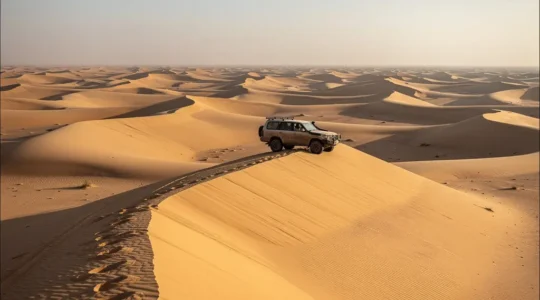
Crossing the Empty Quarter: How to Prepare for a Self-Drive Expedition?
In summary: Fuel planning requires calculating a 1.5x to 2.0x consumption multiplier; standard vehicle range is irrelevant. Tyre deflation is a trade-off: increased traction comes with a critical risk of catastrophic failure if speed limits are ignored. Satellite communication is…
Read more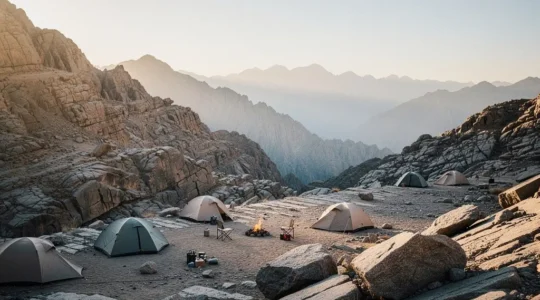
Hatta Camping in Winter: A Strategic Guide to Booking the Best Spots
In summary: Choose your accommodation based on the experience you want: dam views from trailers, mountain panoramas from lodges. Plan activities according to your group’s fitness level; kayaking is accessible for all, while bike trails offer a real challenge. Avoid…
Read more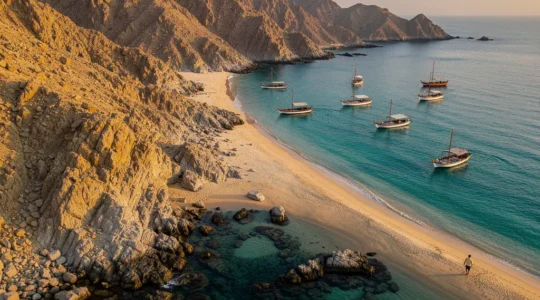
Weekend in Fujairah: How to Plan a Relaxing Indian Ocean Getaway?
The key to a truly relaxing Fujairah getaway isn’t just booking a nice hotel, but syncing your trip with the area’s unique coastal rhythms. Understand why the water is cooler and richer in marine life than the Arabian Gulf. Learn…
Read more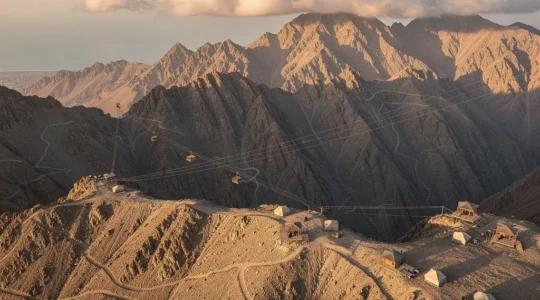
Why Ras Al Khaimah Is Becoming the Top Adventure Hub in the Middle East?
Ras Al Khaimah’s rise as an adventure hub isn’t just about its mountains; it’s about offering a more rugged, technical, and strategic alternative to its neighbors. Hardcore hikers find higher peaks and genuinely challenging trails that surpass options like Hatta…
Read more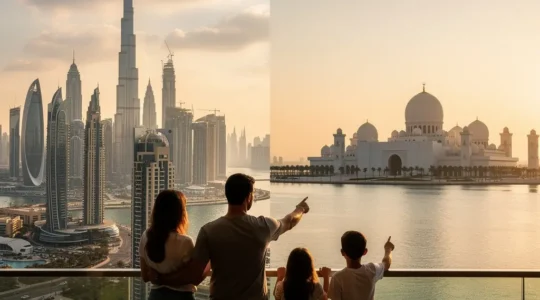
Dubai vs Abu Dhabi: Which City Fits Your Family Vacation Needs?
While Dubai offers an astonishing array of attractions, Abu Dhabi provides a superior family vacation by prioritizing a ‘luxury of pace’ over sheer scale. Reduced traffic and smarter urban planning significantly cut down on transit stress and wasted time. World-class…
Read more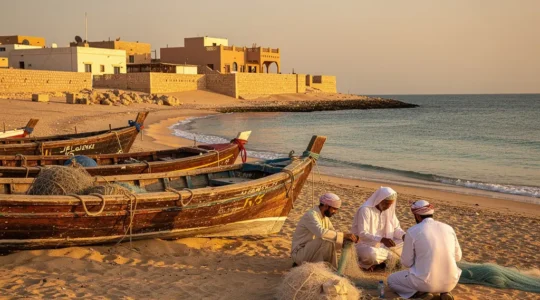
Exploring UAE Coastal Villages: How to Find Authentic Local Life?
Many adventurous travelers seek the ‘real’ UAE but often only find curated tourist sites or silent, empty ruins. The key to discovering authenticity, however, isn’t just about where you go, but *how* you observe. This guide shifts the focus from…
Read more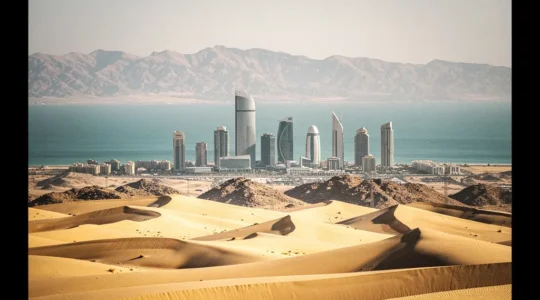
Which of the Seven Emirates Should You Visit Based on Your Travel Personality?
The biggest mistake travelers make is treating the UAE’s seven emirates as a checklist instead of a spectrum of unique personalities. Beyond Dubai’s glitz and Abu Dhabi’s grandeur, each emirate offers a distinct “travel DNA”—from Ras Al Khaimah’s rugged adventure…
Read more