Events & Festivals
Travel becomes transformative when synchronized with the rhythm of human celebration. Whether it’s the thundering hooves at a prestigious horse race, the hushed anticipation before a film premiere, or the collective gasp as fireworks paint the night sky, events and festivals provide travelers with immersive windows into local culture, passion, and community. Yet the difference between a mediocre experience and an unforgettable one often hinges on knowledge most visitors overlook.
Understanding how to navigate the complex landscape of global celebrations requires more than simply marking dates on a calendar. From decoding moon-dependent scheduling to distinguishing between ticket tiers, from avoiding common scams to positioning yourself for optimal viewing, the seasoned festival traveler approaches each event as a puzzle with solvable pieces. This comprehensive resource equips you with the practical frameworks and cultural insights needed to plan, access, and genuinely experience events across the spectrum—from intimate poetry readings to world-renowned sporting spectacles.
Understanding Event Types and Their Unique Rhythms
Not all events follow the same patterns, and recognizing these distinctions shapes every subsequent planning decision. The festival landscape divides into categories, each governed by different logistical realities and cultural expectations.
Cultural and Artistic Celebrations
Cultural festivals—encompassing poetry slams, storytelling gatherings, gallery hops, and cinema showcases—typically operate on more intimate scales with capacity constraints. A regional film festival might host Q&A sessions with limited seating, while a gallery hop route requires strategic planning to maximize the number of venues visited within operational hours. These events reward early research, as booking windows often open months in advance for the most sought-after sessions.
The timing for cultural events frequently aligns with seasons that enhance the experience. Open-air poetry performances thrive during temperate months, while cinema festivals often cluster during specific periods to align with award season calendars or avoid competing with major commercial releases.
Sporting and Competitive Events
Sporting spectacles follow rigid seasonal patterns dictated by climate, tradition, and international calendars. The world’s premier horse races occur during cooler months in desert climates, transforming what would otherwise be punishing heat into comfortable conditions for both horses and spectators. Understanding these seasonal windows prevents disappointment—arriving during off-season means missing the energy entirely.
Competitive events introduce unique elements like hospitality packages, paddock access protocols, and specialized viewing areas. The distinction between track surfaces (dirt versus turf) affects not just the racing but also spectator positioning and even dress code practicality, as certain areas become muddier than others.
Seasonal and Religious Observances
Many celebrations operate on lunar calendars or religious observances, introducing a layer of complexity absent from fixed-date events. Moon-sighting dependency means confirmation often arrives just days before the event, challenging travelers who prefer certainty. Planning trips around these occasions requires building flexibility into your itinerary—perhaps extending your stay or arranging refundable accommodations.
National holidays similarly anchor numerous festivals but may also trigger restrictions. Dry nights (alcohol prohibition during certain observances) affect not just beverage availability but venue atmospheres and after-party options. Researching these cultural contexts prevents awkward situations and demonstrates respect.
Mastering the Art of Timing and Planning
Timing extends beyond simply arriving on the correct date. The nuanced traveler considers micro-timing—the specific hours, days within multi-day festivals, and even seasonal progressions that determine experience quality.
Optimizing Arrival and Attendance Windows
For multi-day events, attendance patterns vary dramatically. Weekend days attract larger, more boisterous crowds with heightened energy but also longer queues and inflated prices. Weekday attendance offers easier navigation and often more authentic interactions with locals rather than tourist-heavy demographics. Film festivals, for instance, schedule premieres and celebrity appearances strategically across the event calendar—attending opening nights maximizes red carpet moments, while mid-festival screenings provide better seat selection.
Arrival time operates as a critical variable. Gates opening doesn’t mean optimal arrival. For events with general admission elements, arriving 60-90 minutes early secures premium positioning without enduring excessive wait times. For assigned seating, calculating backward from event start to account for security screening, parking distances, and inevitable bottlenecks prevents missing crucial opening moments.
Seasonal Considerations and Weather Dependencies
Certain events only achieve their full impact during specific seasonal conditions. Light and architecture festivals depend on early nightfall and clear skies—scheduling during summer in high-latitude locations means minimal darkness, diluting the visual impact. Conversely, fireworks viewing benefits from stable, wind-free conditions that summer often provides in many climates.
Temperature influences extend beyond comfort. The traditional hat-wearing culture at prestigious horse races evolved partly from sun protection, but modern attendees face genuine challenges: elaborate fascinators look stunning but offer zero shade, while practical sun hats may violate dress codes in premium enclosures. Understanding these trade-offs lets you pack appropriately—sunscreen, compact fans, and blister-prevention solutions for shoe-related agony become essential, not optional.
Securing Your Access: Tickets and Entry Strategies
Access represents the make-or-break factor separating spectators from those left outside. Ticketing ecosystems have grown increasingly complex, demanding strategic approaches.
Decoding Ticket Tiers and Access Levels
Modern events segment attendees across multiple tiers, each offering distinct experiences at corresponding price points. The difference between Golden Circle and Grandstand positioning affects more than proximity—it determines amenities, shelter from elements, food and beverage quality, and even restroom queue lengths. Understanding what each tier actually provides (versus marketing promises) requires reading fine print and consulting recent attendee reviews.
Fan zone access at major sporting events illustrates this complexity. What appears as “festival access” might exclude the actual competition viewing, instead offering screens, entertainment, and branded experiences. For some travelers, this represents ideal value; for others expecting live action, it’s a costly disappointment. Comparing ticket options means listing your priorities: Are you there for proximity to the action, social atmosphere, comfort, or simply witnessing the event in any capacity?
Avoiding Scams and Sold-Out Scenarios
Popular events spawn sophisticated ticketing fraud. Fake ticket scams proliferate around major festivals, exploiting urgency and unfamiliarity. Protective strategies include:
- Purchasing exclusively through official channels or verified resale platforms with buyer guarantees
- Verifying ticket authenticity markers specific to each event (holograms, QR codes, named registration requirements)
- Avoiding peer-to-peer transactions without escrow protection, especially for international events where legal recourse proves impractical
- Recognizing pricing red flags—legitimate resales rarely offer below-face-value tickets for sold-out events
Sold-out disappointment stems from misunderstanding release patterns. Major events often employ phased releases—initial allocations sell quickly, but subsequent waves appear as organizers confirm capacity or release held blocks. Joining official waiting lists and monitoring announcements during the weeks preceding events frequently yields opportunities others assume have vanished.
Age Restrictions and Verification Requirements
Age policies vary not just by event type but by specific zones within venues. A festival might permit all ages in general areas while restricting hospitality suites to adults. Some cultural events impose minimum age recommendations for content reasons. Researching these boundaries before purchasing prevents arrival-day complications, particularly when traveling with families or mixed-age groups.
Navigating Logistics and Venue Practicalities
Even with tickets secured and timing optimized, logistical execution determines whether you arrive stressed or energized. Venue navigation, transportation choices, and crowd management separate novice from experienced festival travelers.
Transportation decisions should account for event-specific traffic patterns. Comparing bus versus car access isn’t merely about convenience—it’s about understanding that major events often implement road closures, redirect traffic, and create parking scarcity that makes private vehicles liabilities rather than assets. Public transportation, while potentially crowded, follows dedicated routes unaffected by event-related restrictions. Many savvy attendees opt for ride-sharing to avoid parking challenges but arrange pickup locations away from primary exits to escape post-event gridlock.
Weekend gridlock intensifies predictably. Events scheduled on Friday or Saturday evenings compound regular leisure traffic with event-specific congestion. Adjusting departure times—leaving significantly earlier than calculated necessary or delaying until the initial rush subsides—transforms the experience. The most frustrating moments in festival travel rarely involve the events themselves but rather the preventable stress of fighting through avoidable congestion.
Venue-specific logistics demand individual research. Layout familiarity answers crucial questions: Where are secondary entrances with shorter security lines? Which sections offer shade during afternoon events? Where do queue systems form for popular installations or concessions? Studying venue maps and recent attendee accounts provides mental frameworks that eliminate confused wandering upon arrival.
Elevating Your Festival Experience
Presence without strategy yields surface-level experiences. The final distinction between attending and truly experiencing events lies in deliberate choices about positioning, engagement, and social navigation.
Viewing angles and position optimization apply across event types. For fireworks displays, elevation and distance matter more than proximity—standing directly beneath launch points forces awkward neck angles and obscures the full aerial canvas. Photographers seeking illuminated architecture during light festivals must scout daytime to identify foreground elements and angles that add compositional depth beyond straightforward documentation.
Camera settings require event-specific adjustments. Fireworks demand manual focus at infinity, wider apertures, and slower shutter speeds to capture light trails—settings opposite those needed for freezing sporting action. Light festivals present sensor damage risks when pointed directly at powerful installations; understanding your equipment’s tolerances prevents costly harm. For many travelers, optimal photography means arriving during setup or rehearsal periods when crowds thin and experimentation becomes possible without disrupting others.
Social dynamics shape experiences profoundly. Selfie etiquette reflects respect for shared spaces—positioning yourself to capture memories without blocking others’ views, limiting time in premium spots during crowded moments, and recognizing when photography restrictions serve legitimate purposes (protecting performers’ intellectual property or maintaining ceremonial sanctity). Celebrity spotting at red carpet events rewards patience and positioning near arrival routes, but excessive intrusion crosses from enthusiasm into disruption.
After-party considerations extend the event beyond official programming. Comparing post-event gatherings means balancing exclusivity against accessibility, themed continuity against novelty. Premium hospitality packages often include curated after-parties, but independent exploration sometimes yields more authentic local interactions. The choice depends on whether you’re seeking polished experiences or spontaneous cultural immersion.
Engaging meaningfully with events and festivals during travel transforms passive observation into active participation. By understanding the distinct rhythms of different celebration types, mastering timing and access strategies, navigating practical logistics with foresight, and making deliberate choices about how you position and engage yourself, you convert generic attendance into memorable experiences that justify the planning invested. Each festival becomes not just a line item on an itinerary but a gateway into the passions and traditions that define the communities hosting you.
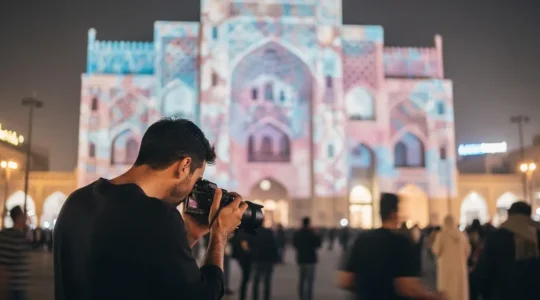
Sharjah Light Festival: How to Photograph the Projections Without Tripods?
Success at the Sharjah Light Festival relies less on high ISOs and more on using architectural features as stabilization anchors. Understand the 3D geometry of the projection surface to predict light behavior. Utilize body bracing techniques and “blue hour” timing…
Read more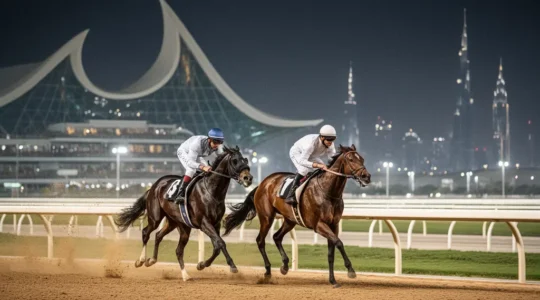
Horse Racing in Dubai: How Does the Competition Work Without Betting?
To a Western visitor, horse racing without betting can seem like a puzzle. The reality is that Dubai’s racing scene operates on a completely different economic and cultural model. It’s not a system with a missing piece; it’s a world…
Read more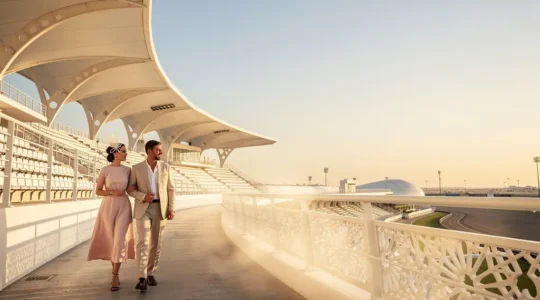
Dubai World Cup Fashion: How to Dress for the Apron Views vs The Suites?
Mastering the Meydan dress code requires balancing high-fashion aesthetics with desert survival tactics. The “Style Stakes” competition favors structural millinery and originality over simple designer labels. Footwear choice is critical: block heels or wedges are essential for navigating the mixed…
Read more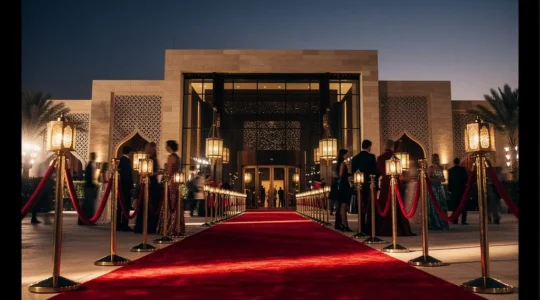
Red Carpet Watching: Where to Stand to See Stars at UAE Premieres?
Success on the red carpet is 10% luck and 90% positioning strategy. Wristbands are the new currency; arriving early without one is often futile. Lighting dictates your photo quality more than your camera does. Venue architecture determines whether you need…
Read more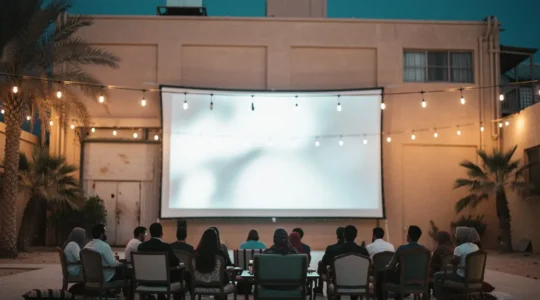
Beyond the Red Carpet: Your Guide to Accessing UAE Film Festivals
The key to truly experiencing UAE film festivals is understanding they are a dynamic cultural ecosystem, split between glamorous spectacles and intimate community cinema. Short film is the dominant artistic format, fueled by significant regional funding and a need to…
Read more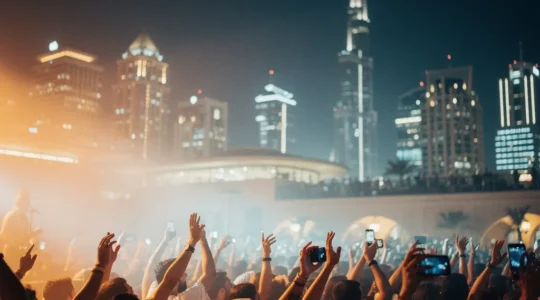
Concerts in Dubai: How to Beat the Scalpers for Sold-Out Shows?
Securing the ticket is only 20% of the battle; navigating Dubai’s venue infrastructure determines whether you see the stage or the parking lot. Standing areas are restricted by alcohol licensing laws, not just venue policy—verify your ID status before purchasing….
Read more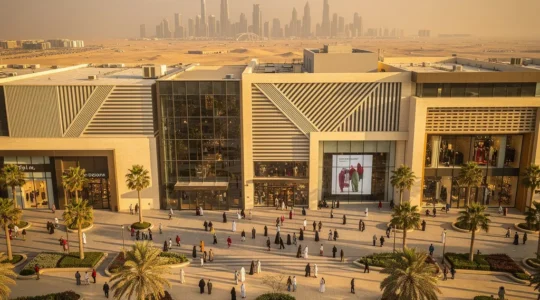
DSF Sales Strategy: How to Find Real Value Beyond the Marketing Hype
The biggest DSF discounts aren’t on the price tags; they’re in the strategic choices you make before you even enter a mall. Real value lies in outlets and local designer markets over the obvious flagship stores in major malls. Psychological…
Read more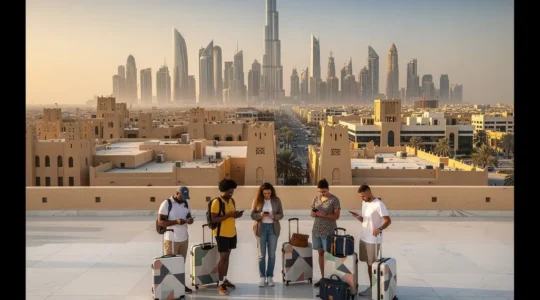
UAE Public Holidays: How to Plan Your Trip Around the Shifting Islamic Calendar
The key to mastering UAE travel isn’t just knowing holiday dates—it’s understanding the predictable logistical systems that govern them. Islamic holidays shift 10-11 days earlier each year, creating predictable seasonal patterns for long-term planning. Crowd flow and pricing follow predictable…
Read more