In summary:
- Choose your accommodation based on the experience you want: dam views from trailers, mountain panoramas from lodges.
- Plan activities according to your group’s fitness level; kayaking is accessible for all, while bike trails offer a real challenge.
- Avoid logistical headaches by buying firewood locally and using specific GPS destinations to prevent accidental border detours.
- For serious hiking, understand that Hatta offers well-marked trails, while RAK provides a more rugged, navigational challenge.
The allure of Hatta during the UAE’s winter season is undeniable. As temperatures drop in the city, the call of the Hajar Mountains—with its crisp air, serene dam, and promise of adventure—becomes irresistible. For outdoor lovers, it’s the perfect weekend escape. Yet, this popularity comes with a price: the fear of facing the same crowds you’re trying to leave behind, turning a tranquil getaway into a stressful race for the best spot. Many guides will offer generic advice like “book early” or list the available activities.
But a truly successful trip to Hatta isn’t just about booking a spot; it’s about making a series of strategic choices. The key isn’t just to go, but to go *smarter*. What if the secret to the perfect Hatta experience lies not in simply avoiding crowds, but in understanding the landscape, the logistics, and the specific value each choice offers? This is about knowing why the old houses were built from mountain stone, which lodge gives you the best sunrise, and where to buy your barbecue supplies so you don’t have to haul them from Dubai.
This guide moves beyond the basics. We’ll delve into the tactical decisions that elevate your trip from a standard visit to a memorable outdoor adventure. We’ll compare accommodation views, match activities to your fitness, provide crucial navigational warnings, and share the local logistical secrets that seasoned campers use. Prepare to plan your Hatta getaway with the confidence of an insider.
This article breaks down the essential strategic choices for planning your Hatta camping trip. The following summary provides a quick overview of the key decisions you’ll need to make, from accommodation and activities to logistics and gear.
Summary: A Strategic Guide to Hatta Camping
- Why Were Hatta Houses Built Using Stones Instead of Coral Blocks?
- Trailers or Damani Lodges: Which Hatta Accommodation Offers Better Views?
- Dam Kayaking or Mountain Biking: Which Activity Fits Your Fitness Level?
- The GPS Mistake That Sends Tourists to the Oman Border Checkpoint
- Where to Buy Firewood and Meat in Hatta to Avoid Carrying It from Dubai?
- RAK or Hatta: Which Destination Is Better for Hardcore Hiking?
- How to Package Archery and Axe Throwing for a Group Discount?
- Hiking in the UAE: What Equipment Do You Really Need for Desert Mountains?
Why Were Hatta Houses Built Using Stones Instead of Coral Blocks?
Walking through Hatta’s restored Heritage Village, a key difference from coastal UAE architecture is immediately apparent: the buildings are made of mountain stone, not the coral and gypsum blocks common in Dubai or Sharjah. This wasn’t an aesthetic choice, but a strategic one born from the unique environment of the Hajar Mountains. The primary reason is thermal regulation. The mountains experience greater temperature fluctuations than the coast, with recent data showing Hatta can be 5-10 degrees cooler than Dubai city center, especially at night. Stone has a high thermal mass, meaning it absorbs heat slowly during the day and releases it slowly at night. This naturally keeps interiors cool in the summer sun and retains warmth during cold winter nights.
Beyond climate control, using local ophiolite rock was a matter of logistical efficiency and security. Sourcing building materials locally eliminated the immense challenge of transporting heavy coral blocks over mountainous terrain. Furthermore, the dense, durable mountain stone provided a much stronger defensive barrier than porous coral, an important consideration in the region’s history. Unlike coral, which degrades with rainwater, the local Hajar rock is incredibly resilient to erosion, ensuring the longevity of these structures against the occasional mountain downpour. This ingenious use of the immediate environment showcases a deep understanding of sustainable and practical building principles.
This architectural wisdom sets the stage for how visitors today can best interact with the landscape, choosing modern comforts that still respect the mountain environment.
Trailers or Damani Lodges: Which Hatta Accommodation Offers Better Views?
The choice between Hatta’s popular “glamping” options—the Airstream-style trailers and the mountain-top Damani Lodges—isn’t just about budget or style; it’s a strategic decision about the very nature of your view. Your preference for a water-centric or a panoramic mountain experience should be the deciding factor. The trailers are positioned closer to the action, offering direct, ground-level views of the iconic Hatta Dam. This is the place to be if you enjoy watching the sunset reflect off the water and appreciate the ambient sounds of kayakers and water activities. It’s a view that is dynamic and connected to the hub of Hatta’s main attraction.
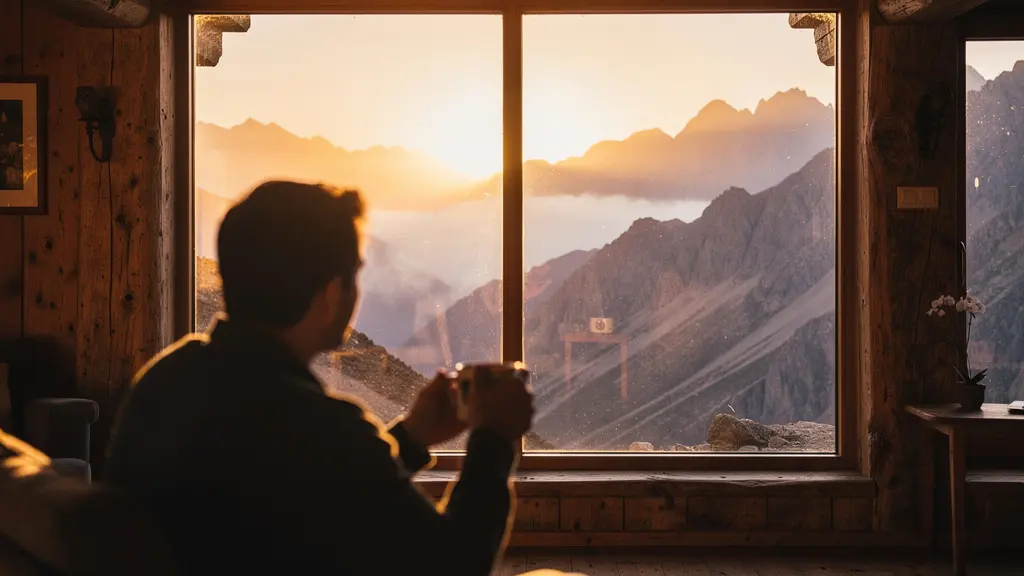
In contrast, the Damani Lodges are built for a different kind of immersion. Perched higher up on the mountainside, they trade the immediate water view for breathtaking, panoramic vistas of the Hajar mountain ranges. These lodges are designed for seclusion and quiet contemplation. Their prime position makes them unbeatable for watching the sunrise cast its first golden light over the eastern peaks. The experience here is one of silence, privacy, and a sense of being enveloped by the vastness of the mountains.
This interior shot from a Damani Lodge perfectly captures the experience, framing the spectacular mountain sunrise and inviting a moment of quiet reflection before a day of adventure.
Ultimately, the “better” view is subjective and depends on the experience you’re seeking. The following table breaks down the key differences to help you make an informed choice.
| Feature | Trailers/Campers | Damani Lodges |
|---|---|---|
| Primary View | Hatta Dam & Water | Panoramic Mountain Ranges |
| Best Light | Sunset reflections on water | Sunrise over eastern peaks |
| Ambient Sounds | Water activities, kayakers | Mountain silence, wind |
| Privacy Level | Moderate (closer spacing) | High (secluded positioning) |
| Distance to Activities | Walking distance to Wadi Hub | More remote, peaceful setting |
Once you’ve settled on your preferred landscape, the next step is to decide how you’ll actively engage with it.
Dam Kayaking or Mountain Biking: Which Activity Fits Your Fitness Level?
Hatta offers two signature activities that define its outdoor appeal: kayaking on the serene dam and mountain biking through the rugged trails. While both are fantastic ways to experience the landscape, they cater to vastly different fitness levels and expectations. Making the right choice ensures your day is filled with enjoyment rather than exhaustion. Kayaking is Hatta’s great equalizer. With hundreds of kayaks and water cycles available, it’s an activity accessible to almost everyone, regardless of age or fitness. A key advantage is its flexibility; rental sessions often have no time limit, allowing you to paddle at your own pace, explore hidden coves, or simply float and enjoy the scenery. This makes it ideal for beginners, families, or as a low-impact recovery activity on a multi-day trip.
On the other hand, mountain biking at Hatta Wadi Hub is an adrenaline-fueled challenge that requires a solid baseline of fitness and confidence. The purpose-built trail center features over 50km of trails, meticulously graded like ski slopes. Green trails offer a gentle introduction for beginners, but the blue, red, and black diamond routes demand significant cardiovascular endurance and technical skill to navigate steep climbs, switchbacks, and rocky descents. For intermediate and advanced riders, this is where Hatta truly shines, offering some of the best and most extensive single-track riding in the UAE. For those seeking a serious physical test, tackling the advanced bike trails provides a profound sense of accomplishment and unparalleled views from the mountain ridges.
Choosing an activity that matches your physical ability is the key to a rewarding day in the mountains.
The GPS Mistake That Sends Tourists to the Oman Border Checkpoint
One of the most common and frustrating mistakes first-time visitors make is a simple navigational error that can derail the start of their trip. Hatta is a UAE exclave, meaning you pass through other emirates like Sharjah to reach it. Complicating matters further, the route takes you near Madha, which is an Omani exclave completely surrounded by UAE territory. This geographical quirk is the source of the problem. If you simply type “Hatta” into some GPS systems, they may calculate the “shortest” route, which incorrectly tries to path you through this Omani territory. This leads you directly to a small, often bemused, border checkpoint where you’ll be promptly turned around, adding significant time and frustration to your journey.
Avoiding this rookie mistake is simple with a bit of foreknowledge. The key is to be more specific with your destination. Instead of navigating to the town of Hatta, set your GPS directly for “Hatta Wadi Hub” or your specific accommodation like “Hatta Damani Lodges.” These are well-established points of interest that navigation apps route correctly via the main E44 and E102 highways, keeping you firmly within the UAE. It’s also wise to download offline maps for the area before you leave Dubai, as mobile signal can be patchy in the mountains. If you start seeing official green signs for Oman, it’s a clear indicator you’ve taken a wrong turn and should double-back immediately.
To ensure a smooth journey, follow this simple checklist:
- Set your destination as ‘Hatta Wadi Hub’ not just ‘Hatta’ to avoid border routing.
- Use the E102 (Sharjah-Kalba Road) then the E44 route and watch for the brown tourist signs.
- Download offline maps before departure as mobile coverage can be patchy.
- If you see signs for the Oman border, turn back immediately; you’ve gone too far.
By navigating correctly, you arrive relaxed and ready to enjoy your stay, which includes another key logistical element: sourcing your supplies.
Where to Buy Firewood and Meat in Hatta to Avoid Carrying It from Dubai?
A successful camping trip hinges on good logistics, and nothing says “good logistics” like not having to pack a car full of firewood and melting barbecue supplies. One of the best-kept secrets for a hassle-free Hatta trip is that you can source all your campfire essentials locally. This not only lightens your load but also supports the local Hatta community. The main stop for provisions is the Hatta Coop Supermarket. It’s a modern, well-stocked grocery store where you can find a fresh meat and poultry section, marinades, charcoal, and all the basic supplies for a barbecue. This is the place to go for quality ingredients if you’re planning a proper meal.
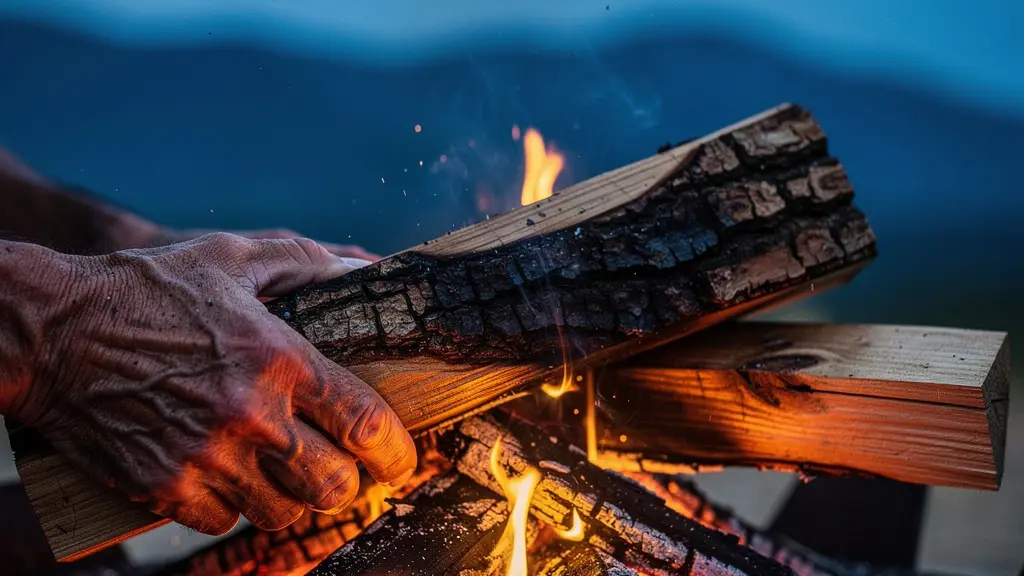
For the most crucial element, the firewood, you have several options. The glamping accommodations at Hatta Resorts confirm that guests receive 1 complimentary bundle of firewood and charcoal per stay, often enough for one evening’s campfire. If you need more, or if you’re camping at the public site, look for the local *baqalas* (small convenience stores) dotted around the town. These shops often have bundles of firewood for sale stacked outside. Look for the dense, dark acacia wood, which is superior as it burns slowly and provides long-lasting coals, unlike lighter, quicker-burning varieties. Finally, if cooking feels like too much effort after a day of hiking, the food trucks at Wadi Hub offer a variety of ready-made meals.
The act of preparing a campfire is a core part of the camping experience, made all the more satisfying when using quality, locally-sourced wood.
Knowing you can get everything you need on-site transforms your packing list and reduces pre-trip stress.
With accommodation and supplies sorted, dedicated adventurers can turn their attention to the main event: the hike.
RAK or Hatta: Which Destination Is Better for Hardcore Hiking?
For the serious hiker in the UAE, the choice often comes down to two destinations: Hatta or the mountains of Ras Al Khaimah (RAK), particularly around Jebel Jais. While both offer excellent hiking in the Hajar range, they provide fundamentally different experiences. The “better” destination depends entirely on your definition of “hardcore.” If you define it by well-structured, challenging trails, then Hatta is your winner. Hatta has invested heavily in its trail infrastructure, offering about 32.6km of marked hiking trails. These trails are color-coded by difficulty, well-maintained, and have clear signage, making them relatively safe to navigate even for solo hikers. The challenge here is physical—tackling steep ascents and long distances on a clear path.
If, however, your idea of “hardcore” is about raw adventure, navigation, and scrambling, then Ras Al Khaimah is unparalleled. The routes in RAK, especially in the wadis surrounding Jebel Jais, are often unmarked, requiring GPS skills, route-finding, and a higher degree of self-sufficiency. The terrain is more rugged, with technical scrambling sections and the real possibility of getting lost if unprepared. Mobile coverage is extremely limited. The reward is a true wilderness experience and access to higher elevations, with Jebel Jais being the highest point in the UAE. Ultimately, Hatta is for the endurance athlete who wants a safe but strenuous workout, while RAK is for the seasoned adventurer who wants to test their mountain craft.
This table highlights the key differences for experienced hikers making a strategic choice.
| Factor | Hatta | Ras Al Khaimah (Jebel Jais) |
|---|---|---|
| Trail Network | 32km of marked trails | Multiple unmarked wadi routes |
| Trail Marking | Color-coded, well-maintained | Raw, requires navigation skills |
| Highest Point | ~1,300m elevation | 1,934m (Jebel Jais) |
| Technical Difficulty | Moderate with clear paths | High with scrambling sections |
| Mobile Coverage | Patchy but available | Very limited in wadis |
| Post-Hike Amenities | Cafes, restaurants, activities | Basic, bring your own supplies |
Whether you’re hiking or not, Hatta offers many other activities that can be bundled for a full day of fun.
How to Package Archery and Axe Throwing for a Group Discount?
Beyond the headline activities, Hatta Wadi Hub offers a slate of other adventures like archery and axe throwing, which are perfect for groups. While booking these individually is straightforward, a little strategic planning can maximize your fun and value. The most effective way to get a “discount” is to opt for the comprehensive Stay & Play packages offered by Hatta Resorts. These bundles provide accommodation along with unlimited access to a list of 18-20 adventure activities, including the target sports. For a group planning to spend the whole day at the Hub, this package often works out to be more cost-effective than paying for each activity à la carte.
If you’re not staying overnight, your strategy shifts to logistics and direct communication. For groups larger than 10, it’s always worth contacting the Wadi Hub management directly to inquire about special group rates. Visiting on a weekday, especially during the late afternoon (4-6 PM), can also be advantageous as crowds are lower, giving you more flexibility and potentially more attention from staff. To make the experience more engaging for your group, consider creating your own “Highland Games” format. Package the activities yourself by setting up scorecards, creating teams, and setting time limits for archery and axe throwing. This self-made structure adds a layer of friendly competition and turns two simple activities into a memorable event, maximizing the perceived value regardless of the price.
Ultimately, a successful day of activities, especially hiking, depends on being properly equipped for the unique environment.
Key takeaways
- Strategic planning is key: Choose accommodation for the view (dam vs. mountain) and activities for your fitness level.
- Local logistics matter: Buy supplies in Hatta and use “Hatta Wadi Hub” in your GPS to avoid the Oman border crossing.
- Know your hike: Hatta offers marked trails for physical challenge, while RAK offers rugged, navigational adventure.
Hiking in the UAE: What Equipment Do You Really Need for Desert Mountains?
Hiking in the Hajar Mountains is not like a walk in a park. The terrain is rugged, the sun can be intense even in winter, and conditions can change quickly. Having the right equipment is not just about comfort; it’s about safety. While you might see people attempting trails in sneakers, this is a serious mistake. The single most important piece of gear is a pair of high-ankle hiking boots with a rigid sole. These provide crucial ankle support on uneven ground and protect your feet from sharp, loose rocks (scree) that are common on these trails. The second non-negotiable item is water—a minimum of 3 liters per person, supplemented with electrolyte tablets or powders to replenish salts lost through sweat.
Your clothing should be a 3-layer system to adapt to temperature changes. Daytime winter temperatures can be a pleasant 20-25°C, but they can plummet to 10-15°C as soon as the sun dips behind a ridge or after sunset. The data shows that this 15-degree variation requires proper layering. Start with a moisture-wicking base layer (not cotton), add an insulating fleece or mid-layer, and carry a windproof outer shell. Trekking poles are also highly recommended. They are not just for older hikers; they improve stability, take pressure off your knees during descents, and can be used to test the stability of ground in wadis. Finally, a small first-aid kit specifically for desert hiking should include rehydration salts, blister plasters (moleskin), and an emergency blanket.
Essential Hajar Mountains Hiking Gear Checklist
- Footwear: High-ankle hiking boots with rigid soles are non-negotiable for protection against loose scree and sharp rocks.
- Clothing System: A 3-layer system is essential: a moisture-wicking base layer, an insulating mid-layer (fleece), and a windproof/water-resistant outer shell.
- Hydration: Carry a minimum of 3 liters of water per person, and supplement with electrolyte tablets or powders to combat dehydration.
- Support & Stability: Trekking poles are crucial for testing ground stability in wadis and reducing strain on your knees during steep descents.
- Emergency Kit: Your pack must contain a UAE-specific first-aid kit (rehydration salts, blister care), a headlamp, an emergency blanket, a whistle, and a reliable offline GPS or map.
By investing in this essential gear, you are ensuring your mountain adventure is not only memorable but, most importantly, safe.