
The safety of dune bashing depends less on age and more on understanding and managing physical forces through certified equipment and physiological preparation.
- Vehicle safety is non-negotiable, defined by features like professional-grade roll cages and correct tire pressure.
- Passenger comfort and safety are managed by understanding G-forces, preventing motion sickness, and choosing the right seat.
Recommendation: Before booking, question your tour operator on their vehicle specifications and safety protocols. Your confidence should be based on their expertise, not just their marketing.
The image of a 4×4 carving a dramatic arc across a golden dune is an icon of desert adventure. For many, it promises adrenaline and unparalleled views. But for the head of a family, especially with children or senior members, that image prompts a different, more critical question: Is it actually safe? The internet is filled with vague reassurances and standard disclaimers about back problems and pregnancy, but these offer little real insight. They treat safety as a checklist rather than a science.
The common advice to “choose a good operator” or “tell the driver if you feel sick” is reactive, not preventative. It places the burden of safety on you in the heat of the moment, without giving you the tools to make an informed decision beforehand. This is where most guides fall short. They fail to explain the ‘why’ behind the rules, leaving you to trust blindly.
But what if the key to ensuring safety wasn’t just about trust, but about understanding? This guide adopts a different perspective: that of a safety inspector. We will move beyond platitudes to deconstruct the physics and physiology of dune bashing. You will learn not just *what* makes it safe, but *why* specific standards for vehicle engineering, driver technique, and passenger preparation are the real guarantors of a secure and enjoyable experience for every generation.
By understanding the forces at play, you can shift from a position of anxious passenger to an informed participant, capable of vetting an operator and preparing your family for the adventure. This article will break down the critical safety components, from the mandatory engineering of the vehicle to the simple dietary choices that can make or break the experience.
Contents: Is Dune Bashing Safe for Children and Seniors?
- Why Are Roll Cages Mandatory for Professional Dune Bashing Vehicles?
- How to Prevent Motion Sickness During a 45-Minute Dune Bash?
- Hard Bashing or Soft Drive: Which Style Suits Your Anxiety Level?
- The Dietary Error That Ruins the Dune Bashing Experience for 30% of Riders
- Front Seat vs Back Row: Which Spot Offers the Least Bumpy Ride?
- The Meal Mistake That Causes Motion Sickness During Dune Bashing
- How to Use Maxtrax Boards When Stuck in Soft Sand?
- Crossing the Empty Quarter: How to Prepare for a Self-Drive Expedition?
Why Are Roll Cages Mandatory for Professional Dune Bashing Vehicles?
The single most important safety feature in a professional dune bashing vehicle is not visible to the casual observer. It’s the internal roll cage, a specially engineered steel skeleton that provides a survival space for occupants in the event of a rollover. This isn’t just a set of metal bars; it’s a precisely designed system governed by strict international standards. From an inspector’s viewpoint, a vehicle without a certified roll cage is not a professional tour vehicle, period. The cage functions by transferring the immense energy of an impact through its structure and into the vehicle’s chassis, preventing the passenger cabin from collapsing.
The specifications for these structures are highly technical. For instance, FIA safety regulations mandate roll cages use 45×2.5mm minimum tube dimensions with high-tensile steel capable of withstanding extreme forces. This level of engineering is what separates a purpose-built desert vehicle from a standard consumer 4×4. The cage must be welded directly to the frame with large mounting plates to distribute load, creating a rigid safety cell. For families, the presence of a properly padded, multi-point roll cage is the ultimate assurance that the operator prioritizes safety over aesthetics or cost.
Action Plan: Professional Roll Cage Verification
- Certification Check: Look for an FIA or ASN certification plate welded to the driver-side front roll bar. This is the official seal of approval.
- Anchor Points: Visually inspect the mounting plates where the cage meets the vehicle floor. They should be large (minimum 120cm² at the front) and securely welded. Count at least 6-8 anchor points.
- Structural Integrity: A professional cage will feature door bars, roof diagonal bracing, and reinforcement around the windshield pillars. These are not optional extras.
- Material Quality: Ask the operator about the material. High-end cages use chromoly (25CrMo4) or T45 steel, which is stronger and lighter than basic steel.
- Padding: Check for high-density, FIA-approved padding on all bars near occupant heads. This prevents impact injuries within the cage itself.
Ultimately, the roll cage is a silent guardian. Its presence signals a professional operation that invests in world-class safety, a critical factor when choosing an adventure for your loved ones.
How to Prevent Motion Sickness During a 45-Minute Dune Bash?
Motion sickness, or kinetosis, occurs when your brain receives conflicting signals from your eyes, inner ears (the vestibular system), and body. During dune bashing, your eyes see a stable vehicle interior while your inner ear feels the dramatic climbs, drops, and sideways tilts. This sensory mismatch is what triggers nausea, and it’s a primary concern for children and seniors. However, prevention is highly effective and relies on physiological management rather than just hope. The first step is to give your brain a reliable, third source of information: proprioception.
This involves a technique called proprioceptive grounding. Firmly plant both feet flat on the floor of the vehicle. By consciously pressing down, you send clear signals from the muscles and joints in your legs and feet to your brain about the vehicle’s orientation. This helps override the confusing messages from your inner ear. Combine this with focusing your gaze on a fixed point on the distant horizon, not on the fast-moving sand or the inside of the car. This aligns what your eyes see with what your body feels. For additional support, acupressure can be remarkably effective. In fact, clinical studies show P6 acupressure significantly reduces nausea symptoms compared to a placebo.
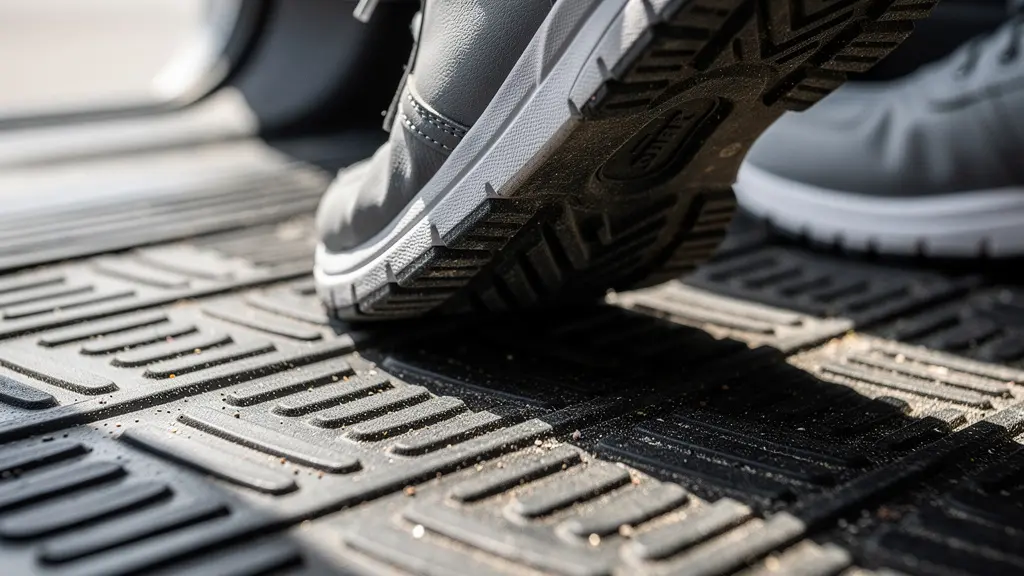
As seen in the demonstration of proper posture, this physical anchoring is a conscious act. Furthermore, supplements like ginger have been shown to work as a 5-HT3 receptor antagonist, blocking nausea signals in the brain. Taking 1000mg of ginger powder an hour before the ride, combined with wearing P6 acupressure bands, can create a powerful defense. Breathing is also key: take slow, deliberate breaths instead of shallow, anxious ones to maintain calm and reduce the likelihood of a nausea response.
These proactive measures empower you and your family to manage your own physiological responses, turning a potentially unpleasant experience into a comfortable one.
Hard Bashing or Soft Drive: Which Style Suits Your Anxiety Level?
Not all dune bashing is created equal. The intensity of the experience is dictated by the driver’s style, which can be broadly categorized as “hard bashing” or “soft drive.” Understanding the difference is critical for matching the ride to your family’s anxiety and thrill-seeking levels. It’s not about good or bad; it’s about control and expectations. A “soft drive” focuses on smooth, flowing movements, using the dunes’ natural contours to create a roller-coaster-like experience without sudden jolts. A “hard bash,” by contrast, seeks out sharp crests, steep descents (slip faces), and rapid transitions to maximize G-forces and create a feeling of free-fall.
The difference can be quantified by the G-forces experienced. A soft drive typically keeps forces within a comfortable 1.2G range, similar to a spirited turn in a road car. Hard bashing can spike up to 2.0G or more in short bursts, creating intense sensations of weight and weightlessness. Before the ride, you have the right to set the terms. A professional operator will always accommodate a request for a soft or “scenic” drive, especially for groups with children or seniors. It’s a red flag if a driver is dismissive of such a request.
The following table, based on data from desert driving experts, clarifies the distinction to help you decide and communicate your preference. As shown in the analysis of desert driving styles, the experience is highly variable.
| Driving Style | G-Force Range | Experience Type | Anxiety Profile Match |
|---|---|---|---|
| Soft Drive | 0.8G – 1.2G | Smooth, flowing transitions | Control-seekers, first-timers |
| Hard Bashing | 0.5G – 2.0G | Sudden drops, sharp crests | Thrill-seekers, adrenaline lovers |
To ensure your driver understands your expectations, ask them specific technical questions before you depart. This demonstrates your knowledge and establishes a clear contract for the type of ride you want.
- What PSI are you running in the tires today? (Lower pressures around 15 PSI create a softer, more cushioned ride.)
- Will we be crossing slip faces at speed or taking them slowly?
- Do you follow ridgelines mainly or perform valley crossings? (Ridgelines are generally smoother.)
- Can you adjust the intensity if someone feels uncomfortable during the ride? (The only correct answer is “yes.”)
Choosing the right style isn’t about compromising on fun; it’s about defining what fun means for your group and ensuring the experience is exhilarating, not terrifying.
The Dietary Error That Ruins the Dune Bashing Experience for 30% of Riders
What you eat—and when you eat it—is one of the most overlooked yet critical factors for a successful dune bashing experience. Many visitors, excited by a holiday buffet, make the crucial mistake of consuming a large, heavy meal shortly before their desert safari. This is a primary trigger for motion sickness. The physiological reason is twofold: a full stomach, especially one digesting high-fat or heavy foods, diverts significant blood flow to the digestive system. When combined with the physical stress and motion of dune bashing, the body becomes overwhelmed, often leading to nausea.
Desert safari operators consistently report that passengers who eat a heavy meal within 1-2 hours of the ride have a significantly higher incidence of motion sickness. The combination of digestive processes stimulated by the vagus nerve and the external stress of heat and motion creates a perfect storm. The key is not to have an empty stomach, which can also cause discomfort, but to have a “light” one. This means planning your meals strategically on the day of your safari.
The optimal approach is to follow a simple timeline:
- 3 hours before: This is your window for a normal-sized meal. Focus on easily digestible carbohydrates and lean proteins.
- 2 hours before: Stop all heavy food consumption. From this point on, you should only be hydrating with small sips of water.
- 90 minutes before: If you’re feeling hungry, have a light, simple snack. A banana with a few dry crackers or a piece of toast is ideal. This stabilizes blood sugar without taxing your digestive system.
- 30 minutes before: One final hydration check. Avoid caffeine and sugary drinks, as they can contribute to dehydration and subsequent energy crashes.
This simple dietary discipline can be the difference between a memorable adventure and a miserable afternoon.
By managing this simple factor, you take direct control over your family’s comfort, proving that good preparation is the most effective remedy.
Front Seat vs Back Row: Which Spot Offers the Least Bumpy Ride?
Within a dune bashing vehicle, not all seats are created equal. The location of your seat has a direct and significant impact on the intensity of the forces you will experience, a principle rooted in basic physics. A 4×4 vehicle acts like a lever with the axles as pivot points. The front seat, positioned between the front and rear axles, is closest to the vehicle’s center of gravity. Consequently, it experiences the least amount of vertical and lateral motion. It offers the smoothest ride and the best view of the horizon, which is also crucial for preventing motion sickness.
The back row, especially seats located behind the rear axle (in the case of 7-seater SUVs), is subject to the “lever effect.” Any movement of the rear wheels is amplified at the rearmost point of the vehicle. When the vehicle crests a dune, the back end will whip upwards and then drop more dramatically than the center of the vehicle. This results in a significantly bumpier and more intense ride. For this reason, the front passenger seat is unequivocally the best position for anyone prone to motion sickness or anxiety, including children and seniors. The middle row offers a moderate experience, while the back row is best reserved for thrill-seekers who enjoy the extra intensity.
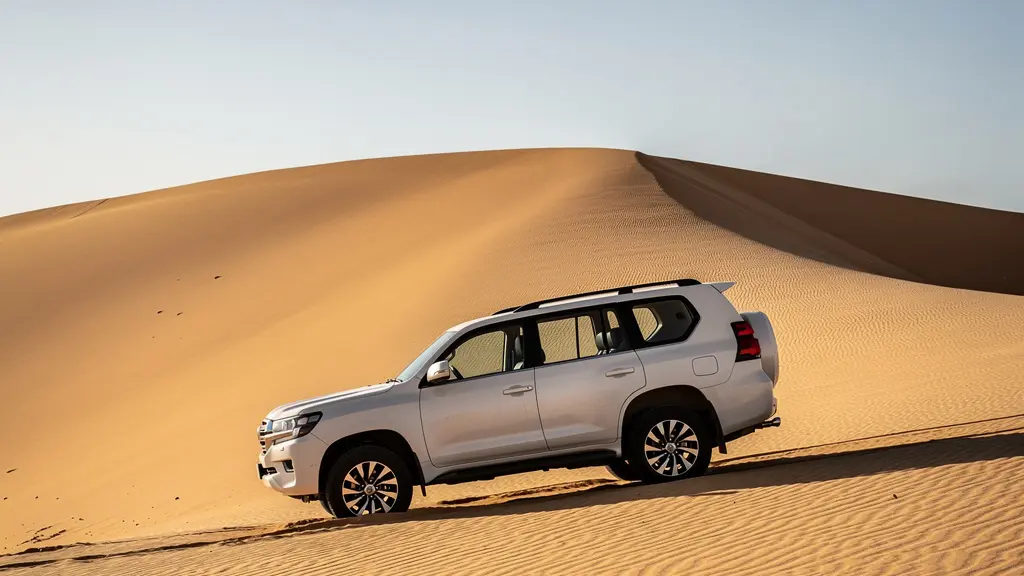
Proper seating is not just about comfort; it’s a core safety component. In fact, safety statistics indicate that 85% of dune buggy accidents could be prevented with proper seatbelt use and correct seating position, underscoring the importance of being securely placed in the right spot. When booking, or before departing, don’t hesitate to request the front seat for the most sensitive member of your party. A professional operator will understand and accommodate this request as a standard safety procedure.
Making a simple, informed choice about where to sit is one of the easiest and most effective ways to customize the experience for your family’s comfort and safety.
The Meal Mistake That Causes Motion Sickness During Dune Bashing
Beyond the timing and size of your pre-safari meal, the specific biochemical makeup of the food you consume plays a hidden but powerful role in your susceptibility to motion sickness. Certain foods contain compounds that can directly interfere with your body’s equilibrium and digestive calm. The most significant of these are high-histamine foods. Histamine is a neurotransmitter involved in vestibular function (your sense of balance), and consuming foods that are rich in it can amplify motion sickness symptoms for sensitive individuals.
Another common error is consuming foods or drinks that cause a rapid spike in blood sugar. Sodas, fruit juices, and energy drinks might provide a quick burst of energy, but this is often followed by a “crash” during the ride. This fluctuation in blood sugar can induce feelings of dizziness and nausea, which are then exacerbated by the vehicle’s motion. The same applies to heavy proteins and dairy products, which slow down digestion and can create a feeling of unease and bloating, making the body more vulnerable to motion-induced nausea.
To avoid these hidden triggers, a more refined dietary strategy is required. This “Goldilocks solution” avoids extremes and focuses on digestive simplicity:
- High-Histamine Foods to Avoid: For at least 4 hours before the ride, steer clear of aged cheeses, yogurt, spinach, tomatoes, and any fermented foods.
- Blood Sugar Stabilizers: Reject sugary drinks in favor of water. Choose complex carbohydrates over simple sugars.
- Light and Simple is Key: Avoid heavy or fried proteins like steak or burgers. Alcohol is an absolute no-go, as it dehydrates the body and impairs vestibular function for over 12 hours.
- The Ideal Snack: The safest and most effective pre-ride snack, consumed about 90 minutes prior, remains a small banana with two or three plain crackers. It provides sustainable energy without any of the risky biochemical triggers.
By understanding not just *what* to eat but *what to avoid*, you add another layer of proactive control over your family’s well-being during the adventure.
How to Use Maxtrax Boards When Stuck in Soft Sand?
While most families will be on a guided tour, understanding professional recovery techniques provides a deeper appreciation for desert driving skills. For those venturing on a self-drive expedition, knowing how to use recovery boards like Maxtrax is not a suggestion—it’s a critical survival skill. Getting stuck in soft sand is almost inevitable, but the difference between a minor delay and a serious problem lies in the driver’s response. The most common mistake is hitting the throttle, which only serves to dig the tires deeper into the sand, burying the vehicle up to its axles.
Professional guides follow a strict “no-spin” rule. The moment forward momentum is lost, all acceleration must stop. The recovery process is one of finesse, not force. Case studies of professional desert operations in the UAE show that vehicles using minimal throttle self-recover over 90% of the time. The correct technique involves using the recovery boards themselves as shovels to clear sand from the front of all four tires. This creates a clear path and reduces resistance.
The sequence for a successful recovery is methodical and must be followed precisely:
- Stop Immediately: The instant you are stuck, stop accelerating. Spinning the wheels is counterproductive.
- Clear a Path: Use the board’s edge to shovel away sand from in front of and underneath the tires that will be driving onto the boards.
- Create a Ramp: Wedge the boards firmly against the tire tread at a gradual angle (15-20 degrees). The goal is a smooth ramp, not a steep wall.
- Engage 4-Low: Shift the vehicle into 4-Low and, if possible, turn off traction control. This maximizes torque at a low speed.
- Use Idle Speed: Do not press the accelerator. Let the vehicle’s idle torque gently “walk” the tires onto the boards. The engine’s compression will do the work.
- Attach Leashes: Always attach the retrieval leashes to the boards before driving over them, making them easy to find after they are buried in the sand.
Mastering this skill transforms a potential trip-ending event into a controlled, manageable procedure and is a hallmark of a prepared desert traveler.
Key takeaways
- Vehicle Integrity is Paramount: The presence and quality of a certified roll cage is the number one indicator of a professional, safety-conscious operator.
- Physiological Management is Proactive: Preventing motion sickness through diet, hydration, and proprioceptive grounding is far more effective than reacting to it.
- Understand and Control the Forces: By choosing your driving style and seating position, you can directly manage the G-forces and physical intensity of the ride.
Crossing the Empty Quarter: How to Prepare for a Self-Drive Expedition?
Venturing into vast, remote deserts like the Empty Quarter on a self-drive expedition represents the pinnacle of off-road adventure. It elevates the principles of safety from simple precautions to a comprehensive survival strategy. Here, you are not just a passenger; you are the driver, navigator, mechanic, and first responder. Preparation is absolute. The core philosophy for such an undertaking is system redundancy. For every critical system—communications, navigation, water—you must have a primary, a secondary, and a tertiary backup. A single point of failure cannot be an option when help is hours or even days away.
This “Rule of Three” is the foundation of expedition planning. A satellite phone is your primary communication, but it can fail. A personal locator beacon (PLB) provides a secondary, one-way emergency signal. A simple VHF radio for vehicle-to-vehicle communication is your tertiary layer. This logic must be applied to everything. Your GPS with offline maps is primary for navigation, but you must carry paper topographical maps as a backup and a magnetic compass as the ultimate failsafe. This mindset requires meticulous planning and resource calculation, leaving no room for assumptions.
The following table illustrates the “Rule of Three” as applied by seasoned expedition leaders. It’s a non-negotiable framework for self-reliant desert travel.
| System | Primary | Secondary | Tertiary |
|---|---|---|---|
| Communications | Satellite Phone | Personal Locator Beacon | VHF Radio |
| Navigation | GPS with offline maps | Paper topographical maps | Magnetic compass |
| Water Storage | Main tank (100L) | Jerry cans (60L) | Emergency bottles (20L) |
| Recovery | Maxtrax boards | Sand ladders | Winch/snatch straps |
Beyond equipment, human factors are just as crucial. A detailed consumption plan for fuel, water (at a minimum of 5 liters per person, per day, plus reserves), and food must be calculated with a generous safety margin. Roles within the convoy—Lead Navigator, Convoy Leader, and Tail-End Charlie—must be assigned and understood by all. The Empty Quarter is unforgiving of improvisation; it rewards only meticulous preparation.
Whether you’re on a guided tour or a full-scale expedition, the underlying principle is the same: safety is not an accident. It is the result of understanding the environment, respecting the physics, and preparing with diligence and expertise. Plan your adventure with this inspector’s mindset, and you will ensure it is memorable for all the right reasons.