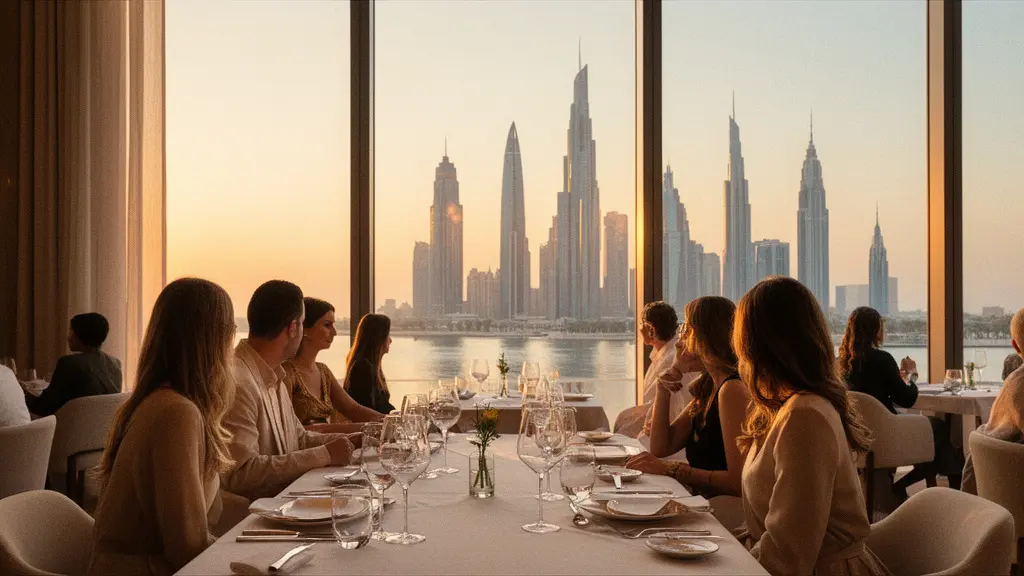
Securing a table at Dubai’s elite Michelin-starred restaurants is less about booking early and more about mastering the city’s unique hospitality ecosystem.
- Leverage business lunch menus in hubs like DIFC to experience 2-star quality for up to 80% less.
- Bypass public channels by using hotel concierge services (especially Les Clefs d’Or) who hold separate table inventories.
Recommendation: Instead of focusing on prime-time slots, target sunset bookings (6:00 PM) for better availability and value, particularly for high-demand terrace tables.
The frustration is palpable. You see the glowing reviews for Ossiano, you hear the buzz around Il Ristorante – Niko Romito, and you decide to book a table, only to be met with a three-month waiting list. This is the common reality for foodies attempting to navigate Dubai’s dazzling fine-dining scene. The standard advice—to book far in advance or be flexible—is simply insufficient in a city where demand for luxury experiences is at an all-time high. Many assume the game is lost before it begins, resigning themselves to less-desirable time slots or missing out entirely.
But what if the public reservation system is merely the front door, while other, more effective entry points remain known only to a select few? The key to unlocking these exclusive tables isn’t about waiting longer; it’s about understanding the intricate hospitality ecosystem of Dubai. It’s a world governed by unwritten rules, where a hotel guest holds more sway than a walk-in, and where the time of day you book matters more than the day of the week. This guide is your personal concierge’s playbook. We will move beyond the obvious and reveal the strategic maneuvers that turn a ‘fully booked’ status into an invitation.
We will explore the subtle art of dressing for success at the most opulent venues, deconstruct the true value of a tasting menu, and reveal the one mistake with sparkling water that unnecessarily inflates your bill. More importantly, you’ll learn how to leverage business lunches for an elite experience at a fraction of the cost and understand the real role of the celebrity chef whose name is on the door. This is not just about getting a seat; it’s about securing the *right* seat and optimizing the entire experience from start to finish.
This article provides a comprehensive roadmap to mastering Dubai’s Michelin-starred dining scene. The following sections break down every component, from decoding dress codes to employing strategic booking tactics, ensuring you are perfectly equipped for your next culinary adventure.
Summary: Navigating the Exclusive World of Dubai’s Michelin Restaurants
- Why Will “Smart Casual” Get You Turned Away at the Burj Al Arab?
- Tasting Menu or A La Carte: Which Offers Better Value at High-End Venues?
- Fountain View or Skyline View: Which Table Seat Is Worth the Premium?
- The Sparkling Water Mistake That Adds $50 to Your Bill
- Business Lunch: How to Eat at 5-Star Venues for a Fraction of the Price?
- Why Is the Celebrity Chef Almost Never in the Kitchen?
- How to Secure a Private Table on the Open Air Deck?
- Celebrity Restaurants in Dubai: Are You Paying for the Name or the Food?
Why Will “Smart Casual” Get You Turned Away at the Burj Al Arab?
In Dubai’s exclusive dining circles, the term “smart casual” is perhaps the most dangerously ambiguous instruction a guest can receive. Unlike in other global capitals, Dubai’s top-tier establishments, particularly those within iconic hotels like the Burj Al Arab, interpret this not as a suggestion but as a strict baseline. The city is home to an impressive 19 restaurants holding Michelin stars as of 2025, and each one guards its ambiance with zeal. Arriving in designer sandals or fashionable open-toe shoes, for men, is a common and immediate cause for refusal at the restaurant’s entrance, regardless of the brand’s prestige. This is a crucial distinction: the relaxed attire permissible in a hotel’s grand lobby does not extend to its fine-dining venues.
Furthermore, there is a hierarchy of formality that visitors often overlook. The traditional Emirati attire, the Kandura for men, is considered the highest form of formal wear and is always welcomed, superseding any Western dress code requirements. This cultural nuance is a key piece of insider knowledge. Another practical consideration is the environment itself. While Dubai’s external temperatures soar, restaurant interiors are maintained at a crisp 18-20°C. A jacket for men and a wrap or pashmina for women are not just stylistic choices but necessities for comfort during a multi-hour dining experience. Misinterpreting the dress code is the first and most preventable misstep in your fine-dining journey.
Tasting Menu or A La Carte: Which Offers Better Value at High-End Venues?
Once seated, the first significant decision is often between the chef’s tasting menu and ordering à la carte. The tasting menu is presented as the quintessential culinary journey, a showcase of the chef’s artistry and premium ingredients like wagyu or imported truffles. Venues like Row on 45, which impressed inspectors by going “straight into The Guide with Two MICHELIN Stars,” build their entire concept around a multi-course tasting menu served to a limited number of guests. However, this journey comes at a significant cost, often double that of an à la carte experience, especially when the wine pairing is included, which is subject to a hefty 30% alcohol tax.
An à la carte approach, by contrast, offers control and, often, better value. Portions are typically larger and may feature more locally sourced ingredients, like regional seafood, offering a different but equally valid taste of the restaurant’s capabilities. For those who know their palate, selecting a few standout dishes and a single, well-chosen bottle of wine is almost always more economical. The decision hinges on your goal: if it’s to experience the chef’s unbridled vision and you have 3-4 hours to spare, the tasting menu is your choice. If you prefer to direct your own culinary experience and manage the bill, à la carte provides the superior value proposition.

As the table below illustrates, the choice has significant implications for cost, time, and the overall dining experience.
| Aspect | Tasting Menu | A La Carte |
|---|---|---|
| Average Cost | AED 800-1500 per person | AED 600-1200 per person (with control) |
| Portion Size | Small, European-style portions | Larger, family-sharing portions |
| Wine Pairing Impact | Doubles the bill (30% alcohol tax) | Single bottle option (more economical) |
| Ingredient Focus | Premium imports (truffles, wagyu) | Local seafood options available |
| Time Commitment | 3-4 hours minimum | 1.5-2 hours flexible |
Fountain View or Skyline View: Which Table Seat Is Worth the Premium?
In a city defined by its spectacular vistas, securing a table with a view is a top priority for many diners. The two most coveted options are a direct view of the Dubai Fountain or a panoramic city skyline from a high-rise restaurant. However, the premium paid for these seats is not always justified. Restaurants with front-row seats to the fountain show often enforce a minimum spend of AED 1000 or more per person. While visually stunning, the show, which runs every 30 minutes, produces significant sound levels (up to 90 decibels), capable of halting conversation entirely. A more strategic choice is often a second-row table, which offers a similar ambiance at a nearly 40% lower cost without the sound disruption.
The allure of a skyline view also comes with caveats. During Dubai’s long summer months, from May to September, high humidity creates a persistent haze that can obscure the very view you’re paying a premium for. What looks like a stunning panorama online can be a muted and disappointing reality. For both view types, timing is everything. Early dinner slots, between 5:30 and 6:30 PM, often have lower minimum spend requirements and the added benefit of catching the sunset. This “shoulder” period provides a far better value proposition than the peak 8:00 PM slot, delivering a world-class view without the peak-time premium.
The Sparkling Water Mistake That Adds $50 to Your Bill
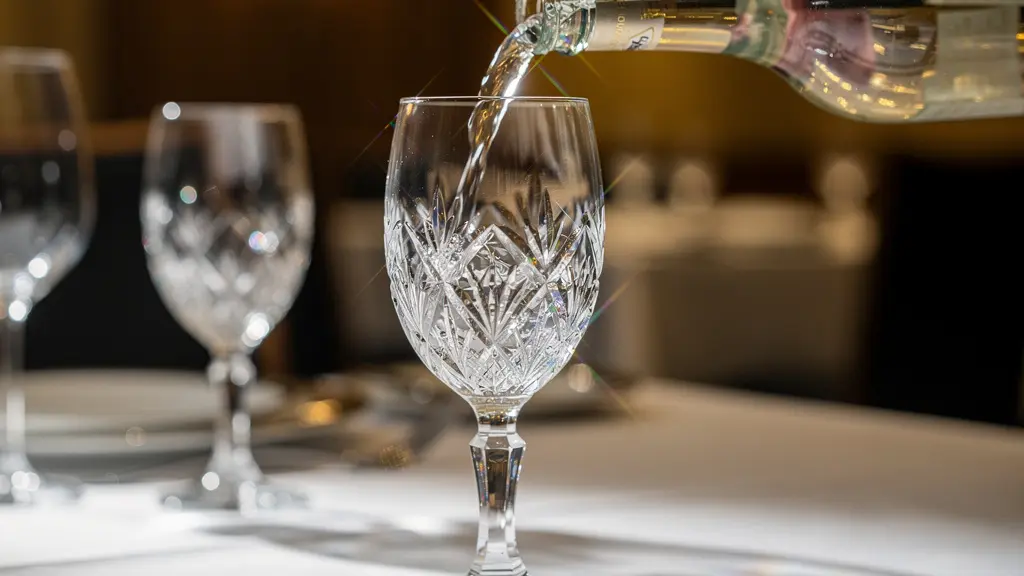
It is one of the most subtle yet effective upselling techniques in the fine-dining world. Upon being seated, a server gracefully approaches and, without presenting a menu, asks, “Still or sparkling water for the table?” An affirmative nod for “sparkling” often results in a bottle of a premium imported brand like Voss or San Pellegrino being opened and poured, immediately adding AED 50-70 ($15-20) to your bill. Over the course of a long meal with several bottles, this seemingly small choice can add up to a significant sum.
This is a manufactured choice. The concierge’s move is to interrupt this automatic service and make a specific request: “local sparkling water, please.” Brands like Al Ain or Mai Dubai are available in almost every Michelin-starred restaurant but are rarely offered proactively. They cost up to 70% less than their imported counterparts. The most experienced diners even take it a step further by asking to see the water menu, which restaurants are obligated to provide but often don’t volunteer. This simple act of questioning the default option is a small but powerful demonstration that you understand the nuances of the local dining scene. It’s a small detail, but it’s these details that separate the tourist from the connoisseur.
Action Plan: Managing Beverage Costs Like a Pro
- Specify the Brand: Do not just ask for “local water.” Explicitly request “Al Ain” or “Mai Dubai” to prevent any ambiguity.
- Pre-empt the Pour: The moment the server approaches with a bottle, politely raise your hand and state your preference before the cap is opened.
- Query the Pairings: Before agreeing to a non-alcoholic pairing, ask for the price. Mocktail pairings can be surprisingly expensive due to their complexity.
- Request the Menu: If you are unsure of your options, simply ask, “May I please see the water menu?” This puts you in full control of the decision.
- Leverage the Lunch: For business lunches, high-quality filtered still water is often provided complimentary. Confirm this when booking.
Business Lunch: How to Eat at 5-Star Venues for a Fraction of the Price?
Here is the single most valuable secret for experiencing Dubai’s Michelin-starred cuisine: the business lunch. From Sunday to Thursday, many of the city’s top restaurants, particularly those located in the Dubai International Financial Centre (DIFC), offer set lunch menus at a fraction of their dinner prices. This is not a “lite” version of their offering; these meals are prepared by the same kitchen teams using the same high-quality ingredients. The primary difference is the price and the pace. A business lunch at a 2-Michelin-star venue can cost as little as AED 200, compared to an AED 1000 bill for a similar dinner.
The strategy is driven by the corporate culture of the DIFC. To attract the area’s discerning banking and legal clientele, venues must offer exceptional value within a compressed timeframe. Lunches are often designed to be completed within 60 to 90 minutes. This provides a fantastic opportunity for foodies to sample the best of Dubai. As the comparative data shows, the savings are dramatic across all tiers of Michelin recognition, making the business lunch the undisputed champion of high-end value dining in the city. Booking is still essential, but availability is generally far better than for evening service.
The following data, drawn from an analysis of Dubai’s dining scene, highlights the remarkable savings potential.
| Restaurant Category | Business Lunch Price | Dinner Average | Savings |
|---|---|---|---|
| 1 Michelin Star | AED 125-180 | AED 400-600 | 65-70% |
| 2 Michelin Stars | AED 180-250 | AED 800-1200 | 75-80% |
| Bib Gourmand | AED 95-140 | AED 250-350 | 60% |
Why Is the Celebrity Chef Almost Never in the Kitchen?
Many of Dubai’s most famous restaurants bear the names of global culinary superstars. Diners book tables with the expectation of tasting food directly from a master’s hand, but the reality of the celebrity chef model is quite different. In most cases, these venues operate as licensed partnerships or franchises. The celebrity chef lends their name, concept, and signature dishes, but the day-to-day operations are run by a local, highly skilled team led by a Chef de Cuisine. The namesake chef’s involvement is often limited to initial training, menu development, and periodic PR visits, which are strategically timed during Dubai’s peak tourist season from November to February.
This is not necessarily a negative. The resident teams are exceptional, and consistency is paramount. However, it’s crucial to distinguish this model from that of the resident star chef. A perfect example is Reif Othman, a locally-based chef whose Reif Japanese Kushiyaki earned Bib Gourmand status through his constant presence and deep understanding of the Dubai market. His success proves that on-the-ground talent is a powerful force. The key for the discerning diner is to set expectations correctly. You are paying for a meticulously executed concept and a meal approved by the celebrity, not necessarily cooked by them on that specific night.
How to Secure a Private Table on the Open Air Deck?
The open-air terrace table, with its stunning views and exclusive feel, is the holy grail of Dubai dining, especially during the perfect weather window from October to March. With a selection of 75 restaurants offering terrace dining in the Michelin Guide, competition is fierce, and online systems will almost always show “fully booked” for prime time. This is where the concierge’s playbook becomes indispensable. The most powerful strategy is to go through the concierge at a luxury hotel, particularly one who is a member of the prestigious Les Clefs d’Or society. These top-tier concierges maintain personal relationships with restaurant managers and have access to tables that are intentionally held back from public reservation systems.
Another key tactic is to adjust your timing. Instead of aiming for the 8:00 PM peak, request a 6:00 PM sunset slot. These are easier to secure, offer breathtaking views, and restaurants are often more flexible in letting you extend your stay. Be prepared for a significant credit card hold (AED 200-500 per person) to secure these prime spots, a non-negotiable policy to prevent no-shows. Finally, if the restaurant is located within a hotel, being a guest of that hotel dramatically increases your chances. A simple call from the in-house concierge to the restaurant manager can often work wonders, opening up a last-minute spot that would be unavailable to the general public.
Key takeaways
- Understand that “smart casual” is a strict minimum; men require closed-toe shoes and a jacket is often a practical necessity.
- Leverage business lunches (Sun-Thurs) for the single best value, offering up to 80% savings on dinner prices at the same venue.
- Bypass public booking systems for high-demand tables by engaging a Les Clefs d’Or hotel concierge, who has access to separate inventories.
Celebrity Restaurants in Dubai: Are You Paying for the Name or the Food?
The ultimate question for any diner in Dubai is whether the high price tag is for genuine culinary substance or simply for the branding of a famous chef. For a long time, skepticism was warranted, with some venues coasting on a well-known name. However, the recent evolution of Dubai’s dining scene tells a new story. The city is no longer just an importer of concepts; it is a global stage where true excellence is being forged. The proof lies in the Michelin Guide’s highest accolades, which have been awarded not for marketing, but for undeniable quality.
Take, for example, Trèsind Studio, which became the first Indian restaurant in the world to receive Three Michelin Stars, achieving this feat in Dubai. This was followed by FZN by Björn Frantzén, which earned the same top honor in its very first year. The MICHELIN Guide Inspectors described the latter as a “near faultless, highly sophisticated experience.” This level of recognition is not given lightly. It reflects a profound commitment to sourcing the best ingredients—often flown in daily—and flawless execution in the kitchen. In 2025, a historical culinary milestone was marked with two restaurants receiving this honor simultaneously, cementing Dubai’s place on the world’s culinary map.
FZN by Björn Frantzén’s debut in the Middle East offers a near faultless, highly sophisticated experience
– MICHELIN Guide Inspectors, MICHELIN Guide Dubai 2025
So, are you paying for the name or the food? At the highest echelons of Dubai’s dining scene today, the answer is increasingly clear: you are paying for both. The name gets you in the door, but the food is what earns the stars.
With this insider knowledge, you are now equipped not just to find a table, but to curate a truly exceptional dining experience. The next step is to put this playbook into action and approach your next reservation not as a request, but as a strategic move.
Frequently Asked Questions on Dubai Michelin Dining
What is the humidity impact on skyline views in Dubai?
From May to September, humidity levels can reach 60-90%, creating a persistent haze that significantly reduces visibility from high-rise restaurants, making premium view tables less valuable during these months.
How much extra do fountain-view tables typically cost?
First-row fountain view tables often carry a minimum spend requirement of AED 1000-1500 per person, compared to AED 600-800 for interior tables at the same venues.
Which time slots offer the best value for view dining?
Early dinner slots (5:30-6:30 PM) often have lower minimums while still catching sunset views, before peak fountain show crowds arrive, offering a superior value proposition.