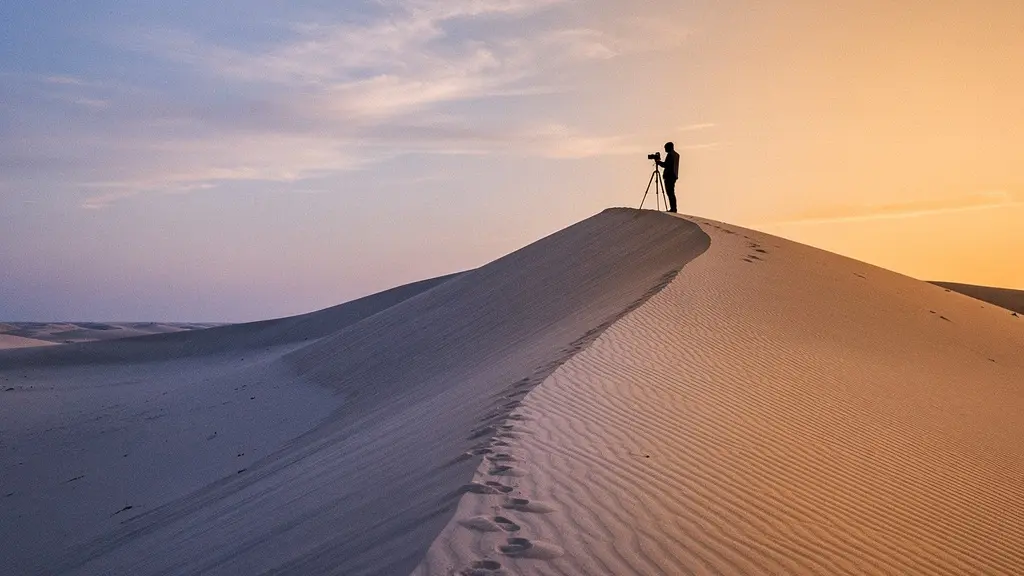
The best desert photos don’t come from choosing morning or evening, but from actively controlling your safari’s logistics.
- Secure the front passenger seat for unparalleled shot stability and panoramic views during dune bashing.
- Use the main camp’s dinner rush as a unique opportunity for crowd-free, blue-hour landscape photography.
- Proactively communicate your desired driving style to the guide, requesting a hybrid of soft drives for landscapes and hard bashing for action shots.
Recommendation: Opt for a private tour. It provides the ultimate operational control over your itinerary, timing, and position within the vehicle, directly translating to superior photographic results.
Every photographer heading to the desert faces the same crucial question: morning or evening safari? The internet is filled with advice championing the “golden hour,” that magical period just after sunrise or before sunset. While true, this advice misses the bigger picture. The most breathtaking desert photographs aren’t just the result of good light; they are the product of careful planning and operational control. A successful shoot depends less on the time of day and more on your ability to influence the logistical details of your tour.
This guide moves beyond the simple morning-versus-evening debate. We’ll treat your desert safari not as a passive tour, but as a mobile studio that you can command. We’ll explore how technical choices, like tyre pressure and seating arrangements, directly impact your shot stability. We’ll re-frame the itinerary around light-driven opportunities, from the fiery red dunes of Lahbab to the ethereal blue hour at the Bedouin camp. You’ll learn how to communicate your needs as a photographer, ensuring your guide becomes a partner in your creative vision. Even your attire can play a role; consider light, flowing fabrics that catch the wind and add a sense of motion to your compositions. The key isn’t just being in the right place at the right time—it’s about engineering the right conditions for your perfect shot.
To help you master your desert photoshoot, this article breaks down the critical decisions you need to make. From the technical mechanics of the 4×4 to the cultural authenticity of the camp, each section provides practical strategies to turn a standard tourist experience into a productive photographic expedition.
Summary: Morning vs Evening Desert Safari: Which One Offers the Best Photography Light?
- Why Do Drivers Deflate Tyres Before Entering the Desert?
- How to Ensure You Get the Front Seat in a Safari Land Cruiser?
- Lahbab (Red Dunes) or Conservation Reserve: Which Safari Is More scenic?
- The Meal Mistake That Causes Motion Sickness During Dune Bashing
- When to Leave the Camp to Avoid the Rush at the Buffet?
- Private Farm Visit or Mega-Camp: Which Offers Real Insight into Bedouin History?
- Hard Bashing or Soft Drive: Which Style Suits Your Anxiety Level?
- Is Dune Bashing Safe for Children and Seniors?
Why Do Drivers Deflate Tyres Before Entering the Desert?
The hiss of air escaping from the Land Cruiser’s tyres is the official start of any desert safari. For the average tourist, it’s a curious ritual. For a photographer, it’s the first critical step toward achieving shot stability. Drivers deflate tyres to increase the surface area that grips the sand. Instead of cutting into the soft dunes and risking getting stuck, the wider, softer tyre “floats” over the surface. This technique is essential for navigating the challenging terrain safely.
The direct photographic benefit is a significantly smoother ride. As experienced desert safari operators confirm, this floating effect prevents violent jolts and sudden dips, reducing the chaotic motion inside the vehicle. For you, this means less motion blur, easier composition on the move, and a better chance of capturing sharp images, even during gentle dune driving. Understanding this principle allows you to have a more informed conversation with your driver, turning a standard safety procedure into a component of your photographic setup. You are not just a passenger; you are a professional who understands the mechanics behind a stable shooting platform.
However, you can take this a step further. Standard deflation is for safety and comfort, but optimal pressure can be fine-tuned for photography. By communicating your needs, you can gain a degree of operational control over the vehicle’s handling. Requesting a specific pressure range can make the difference between a bumpy ride and a smooth glide, especially during the critical moments of golden hour light. This small intervention sets the tone for a collaborative relationship with your driver, positioning you as a knowledgeable partner in the expedition.
How to Ensure You Get the Front Seat in a Safari Land Cruiser?
For a photographer on a desert safari, the front passenger seat isn’t a luxury; it’s a necessity. It offers the only unobstructed, panoramic view through the windshield, crucial for capturing forward-facing shots as you crest dunes. It’s also the most stable position in the vehicle, significantly reducing the side-to-side motion and vertical jolts that cause motion sickness and ruin shots. In a shared safari, where seats are assigned randomly, your chances of securing this prime spot are slim. This is where the single most impactful decision for a serious photographer comes into play: booking a private tour.
A private tour grants you complete operational control. You can specifically request the front seat, guaranteeing the best vantage point. As noted in a strategy by Maverick Safari UAE, private tours are the definitive solution for photographers prone to motion sensitivity, allowing you to dictate the pace and ask the driver to stop for fresh air or a photo opportunity whenever needed. This transforms the experience from a rollercoaster ride into a controlled photographic session. While a shared safari is priced per person, a private safari’s cost ranges from 700-1,200 AED per car, giving you total command over pickup times, dune bashing intensity, and every stop.
If a private tour isn’t feasible, you must be assertive and professional during the booking process for a shared tour. Simply asking for the front seat is often not enough. You need to frame your request in professional terms, highlighting your needs related to equipment and a specific photographic objective. Use clear, professional language that separates your request from a mere preference. Following up 24 hours before your tour to confirm your request can also increase your chances. While not guaranteed, this professional approach signals your seriousness and may influence the tour operator’s seating arrangements.
Lahbab (Red Dunes) or Conservation Reserve: Which Safari Is More scenic?
Choosing your safari’s location is a critical narrative decision. It defines the entire visual character of your photoshoot. The two primary options out of Dubai—the Lahbab Desert and the Dubai Desert Conservation Reserve (DDCR)—offer dramatically different environmental contexts. Your choice should be dictated by the story you want to tell. Are you after dramatic, powerful landscapes, or serene, minimalist scenes with the potential for wildlife?
The Lahbab Desert is famed for its vibrant, iron-oxide-rich red dunes. These are the tallest and most dramatic dunes in the region, creating a surreal, almost Martian-like landscape. Photographically, this location is unmatched for capturing powerful silhouettes, deep shadows in the valleys, and the warm, saturated colors of sunrise and sunset. The sheer scale of the dunes provides a sense of epic grandeur. This is the place for high-impact, awe-inspiring landscape shots. However, its popularity means you’ll likely be sharing the best spots with other photographers.
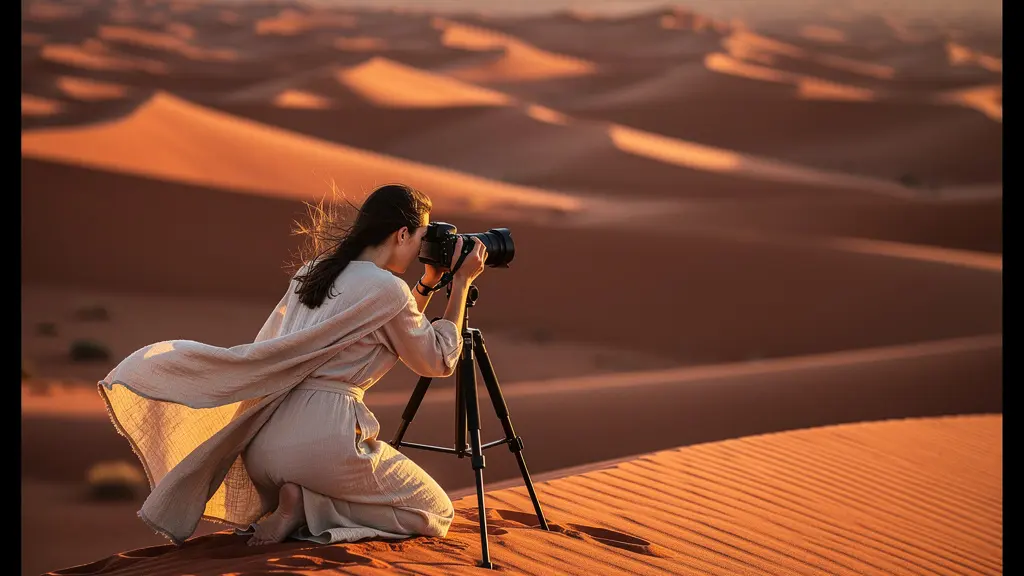
In contrast, the DDCR offers a more subtle and tranquil beauty. The dunes are a classic golden-brown, rolling and softer in their formation. The key differentiator of the reserve is its protected status, which allows native wildlife to thrive. It is here you have the best chance of photographing the iconic Arabian oryx and gazelles in their natural habitat. The atmosphere is more exclusive and peaceful, lending itself to minimalist compositions and a narrative focused on the delicate life of the desert ecosystem. The choice is clear: Lahbab for drama, the DDCR for wildlife and serenity.
This comparative table breaks down the key photographic differences, helping you align the location with your creative vision.
| Photography Aspect | Lahbab Red Dunes | Conservation Reserve |
|---|---|---|
| Dune Color | Vibrant red-orange hues ideal at sunrise/sunset | Golden-brown traditional desert tones |
| Landscape Drama | Tallest, most challenging dunes in Dubai | Rolling, softer dunes with varied terrain |
| Wildlife Opportunities | Limited wildlife | Arabian oryx, gazelles, diverse fauna |
| Crowds | Popular, more photographers present | More exclusive, tranquil atmosphere |
| Best For | Dramatic dune shots, silhouettes | Wildlife, minimalist landscapes |
The Meal Mistake That Causes Motion Sickness During Dune Bashing
For a photographer, motion sickness is more than an inconvenience; it’s a professional hazard that can cost you the entire shoot. The turbulent, unpredictable movements of dune bashing can quickly induce nausea, making it impossible to focus, compose, or even hold your camera steady. Many visitors make a critical mistake: eating a large, heavy meal before the safari, assuming it will help. In reality, a full stomach is your worst enemy, as the digestive process combined with intense motion is a recipe for disaster.
The key is to treat your pre-safari nutrition like an athlete preparing for a competition. Your goal is to keep your stomach settled and your energy levels stable. Eat a light, protein-based snack about 60 to 90 minutes before your hotel pickup. Options like nuts, a small yogurt, or a protein bar provide sustained energy without weighing you down. Crucially, avoid heavy carbohydrates, greasy foods, and excessive caffeine, all of which can exacerbate feelings of nausea and anxiety. Hydration is also vital, but it should be done by sipping water consistently throughout the day rather than chugging a large bottle right before departure.
This proactive approach to nutrition is part of your professional toolkit. As one professional desert photographer advises, controlling these variables is what separates getting the shot from missing it due to nausea. This sentiment is especially true on a shared safari where you have less control over the driving style.
After years of desert photography, I’ve learned that eating light and controlling the pace makes all the difference between getting the shot and missing it due to nausea. If you are prone to carsickness, a private tour is the only way to go. Tip: Ask to sit in the front passenger seat for the best view and stability. Control: Tell the driver to stop for fresh air whenever you need.
– Professional Desert Photographer
Following a simple nutrition protocol can dramatically improve your comfort and ability to work. Natural remedies like ginger candies or peppermint can also be effective tools to have on hand for immediate relief if you start to feel unwell.
When to Leave the Camp to Avoid the Rush at the Buffet?
In an evening safari, the moment the sun dips below the horizon, a powerful herd mentality takes over. Most guests make a beeline for the camp activities and, most importantly, the dinner buffet. For a photographer, this is a golden opportunity. By resisting the urge to join the queue, you can claim the most valuable resource at camp: uninterrupted time during blue hour. This is a core tenet of a light-driven itinerary: seeing a logistical bottleneck as a creative opening.
While everyone else is focused on food, you have the entire desert landscape to yourself. The 30-45 minutes after sunset, when the sky shifts from orange to a deep, rich blue, offers a unique and ethereal light. This is the perfect time to capture the camp from a distance, with its warm lanterns and fire pits glowing against the cool twilight. You can create stunning atmospheric shots that tell a different story from the typical golden hour silhouette. This strategy requires a tripod, a wide aperture (f/2.8 or lower), a higher ISO (1600-3200), and a willingness to experiment with long exposures of 15-20 seconds to capture the faint light and emerging stars.
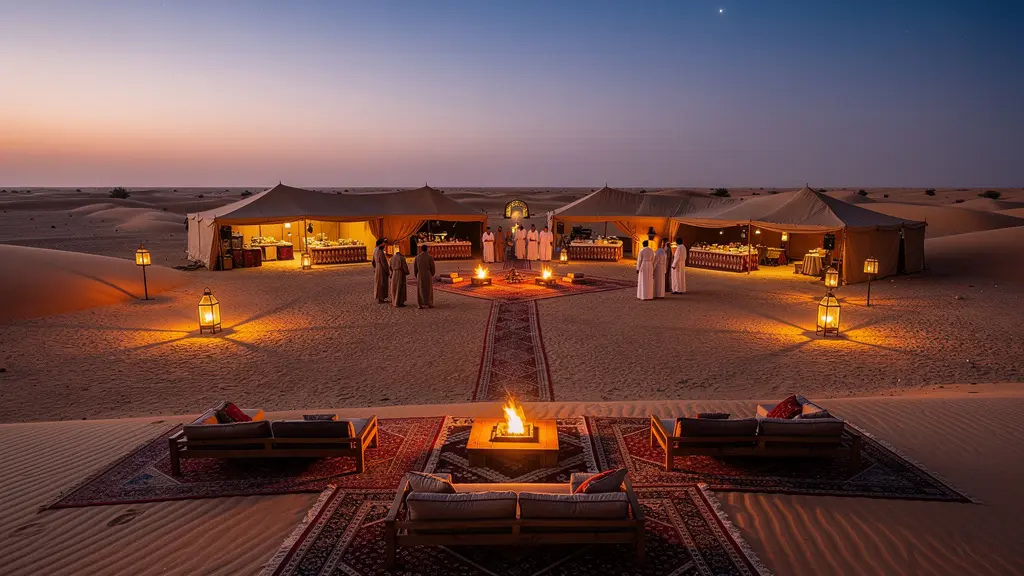
By the time you’ve finished your blue hour and astrophotography session, the initial rush at the buffet will have subsided. You can then enjoy your meal in a much more relaxed environment. This counter-intuitive schedule allows you to capture a set of images that 99% of safari-goers will miss. You can even use the queue itself as a subject, documenting the camp life for storytelling shots. The key is to view the camp schedule not as a rigid set of instructions, but as a flexible framework you can adapt to your photographic priorities. While others wait for dinner, you are capturing the soul of the desert at night.
Private Farm Visit or Mega-Camp: Which Offers Real Insight into Bedouin History?
The cultural portion of a desert safari presents a photographer with a choice: do you want to document a performance or capture an authentic narrative? The venue for your evening entertainment and meal—either a large-scale “mega-camp” or an intimate private farm—will determine the answer. Mega-camps are designed for entertainment. They feature stage lighting, scheduled shows with paid performers, and designated photo stations. The experience is polished, reliable, and visually impressive, but it can often feel commercial and staged.
For a photographer seeking genuine moments, a smaller, privately-owned farm or heritage camp offers a far richer experience. Here, the focus shifts from performance to interaction. Instead of watching a show, you might observe the host preparing traditional coffee, baking bread over a fire, or handling their own falcons. These are not scheduled demonstrations but glimpses into a living tradition. The lighting is natural—firelight and lanterns—creating an intimate and challenging environment that rewards technical skill. The photographic opportunities lie in the unposed, candid moments and the details of a lived-in space: worn tools, authentic textiles, and the genuine expressions of your hosts.
The authenticity of a photograph lies not in the perfection of the scene, but in the genuine moment captured between photographer and subject.
– Desert Documentary Photographer, Professional Photography Magazine Interview
The choice depends entirely on your goal. If you need clean, well-lit shots of cultural entertainment like Tanoura dancers or fire-breathers, a mega-camp is efficient. If your aim is to tell a deeper, more personal story about Bedouin heritage and daily life, a private farm visit is unparalleled. The following table highlights the distinct photographic potential of each.
| Photography Element | Private Farm | Mega-Camp |
|---|---|---|
| Portrait Opportunities | Natural, unposed interactions with hosts | Staged performances, paid entertainers |
| Process Documentation | Authentic coffee making, bread baking, falconry | Demonstration shows at scheduled times |
| Environmental Details | Worn tools, lived-in spaces, working areas | Pristine costumes, designated photo stations |
| Lighting Conditions | Natural light, fire light, intimate settings | Stage lighting, spotlights, controlled illumination |
| Narrative Potential | Daily life stories, generational traditions | Entertainment value, cultural showcase |
Hard Bashing or Soft Drive: Which Style Suits Your Anxiety Level?
The term “dune bashing” often evokes images of a wild, rollercoaster-like ride. This high-intensity “hard bashing” can be thrilling and yield dynamic action shots, but it’s often counterproductive for serious photography. The constant, jarring motion makes it nearly impossible to maintain shot stability, compose a clean frame, or protect your equipment from impact. For a photographer, anxiety isn’t just about personal comfort; it’s about maintaining the calm focus required to operate a camera effectively.
A “soft drive,” by contrast, prioritizes smooth, flowing movements, often tracing the ridges of dunes rather than aggressively climbing and descending them. This style is far more conducive to photography, allowing for stable video sequences and the ability to capture landscapes on the move. The good news is that you don’t have to choose one extreme or the other. The most productive approach for a photographer is to request a hybrid driving style. This involves clear communication with your guide to create a custom experience that blends gentle driving for landscape opportunities with short, controlled bursts of action.
This hybrid approach gives you the best of both worlds. You can start with a soft drive to set up your gear and take test shots, request specific stops on high ridges for panoramic views, and then schedule a five-minute “hard bashing” session in a contained dune bowl to capture the thrilling shots of sand spraying from the wheels. This level of operational control is most easily achieved on a private tour but can often be accommodated on a shared tour if you communicate your needs clearly and respectfully before the drive begins. By explaining that you need stability for certain shots, you are not just making a request, but collaborating with your driver for a better outcome.
Action Plan: The Hybrid Driving Request for Photographers
- Start with 10 minutes of soft driving for equipment setup and test shots.
- Request specific ridge stops for panoramic landscape photography.
- Schedule a 5-minute hard bashing burst in a safe bowl for action shots.
- Ask for a gentle approach to the sunset viewpoint for golden hour stability.
- Communicate hand signals with your driver for ‘slow down’ or ‘stop for photo’.
- Request a return trip via a soft route if you are carrying expensive equipment.
Key Takeaways
- Ultimate creative freedom comes from operational control; a private tour is the best investment a serious photographer can make.
- The best light isn’t just at sunrise or sunset. The blue hour, while others are at the buffet, is a hidden opportunity for unique, atmospheric shots.
- Proactive and clear communication with your guide is not a suggestion, but a requirement to transform a standard tour into a productive photoshoot.
Is Dune Bashing Safe for Children and Seniors?
For photographers traveling with family, especially young children or older adults, the primary concern is safety and comfort. The intensity of traditional “hard” dune bashing is often unsuitable for them, which can seem like a major limitation on photographic opportunities. However, a family-friendly safari doesn’t mean sacrificing great photos; it simply requires a shift in approach. The focus moves from high-octane action to capturing the more serene and interactive elements of the desert experience.
Modern safari operators are well-equipped to handle families safely. According to family desert safari specialists, proper child safety seats are readily available upon request, and booking a private vehicle allows the family to completely control the pace and intensity of the drive, or even opt out of dune bashing altogether. This doesn’t mean you are confined to the camp. You can request a gentle drive directly to the heart of the desert, arriving at the best locations for photography without the intense journey.
Once at the destination, a wealth of family-friendly photo opportunities awaits. Short, gentle camel rides are perfect for capturing classic portraits against the dune backdrop. Sandboarding on smaller, gentler slopes is a safe and fun activity that provides dynamic, joyful shots of your family interacting with the landscape. Furthermore, many family-oriented tours, particularly overnight options, are structured around the best light. An overnight safari often includes an early-morning wakeup for sunrise photography around 5:30 AM, offering exceptional light without any of the day’s intensity, before returning to the hotel by 8:00 AM. This proves that a safari can be both a safe family adventure and a highly productive expedition for a photographer.
By applying these strategies, you move from being a passive tourist to an active director of your own desert photoshoot. The ultimate shot you envision is not a matter of luck or simply choosing morning over evening; it’s a direct result of your planning, communication, and control. Start by booking a tour—preferably private—that allows for customization, and communicate your photographic needs clearly from the very first point of contact.