Shopping and Gastronomy
Travel transforms from simple sightseeing into profound cultural immersion the moment you engage with local food and commerce. Shopping and gastronomy serve as twin gateways to understanding a destination’s soul—revealing its history through spice blends, its creativity through artisan crafts, and its contemporary identity through evolving culinary scenes. Yet these experiences come laden with practical challenges: distinguishing authentic goods from clever reproductions, navigating unfamiliar dining customs, and avoiding the tourist traps that drain both wallets and enthusiasm.
This comprehensive resource equips travelers with the foundational knowledge needed to approach food and shopping with confidence and discernment. From mastering haggling techniques in traditional souks to decoding dress codes at upscale restaurants, from identifying quality saffron to understanding multicultural food districts, the following sections demystify the core concepts that separate memorable experiences from disappointing ones. Whether you’re a cautious first-time traveler or someone seeking to deepen your cultural engagement, these insights will help you make informed decisions that honor both your budget and your desire for authenticity.
Traditional Markets: The Sensory Gateway to Culture
Traditional markets and souks represent living museums where commerce and culture intertwine. The sensory heritage of these spaces—the visual tapestry of spice pyramids, the aromatic complexity of competing fragrances, the tactile quality of handwoven textiles—offers insights no guidebook can replicate. Understanding the origin stories behind regional spice blends transforms shopping from transaction to education.
Decoding Spice Blends and Origins
Regional spice mixtures like za’atar and ras el hanout tell geographic and historical stories through their ingredients. Za’atar’s foundation of wild thyme, sumac, and sesame speaks to Levantine terroir, while ras el hanout’s potential thirty-plus ingredients reflect North African trade route histories. When purchasing, seek vendors who can explain component origins and traditional uses—this knowledge indicates authentic sourcing rather than mass-produced approximations.
Mastering the Haggling Dynamic
Haggling functions as social ritual rather than combat. Effective negotiation requires understanding three principles: initial prices typically inflate by 30-50% in tourist-heavy areas, respectful persistence demonstrates serious interest, and walking away often triggers genuine final offers. Think of it as collaborative price discovery—both parties working toward fair value—rather than adversarial bargaining. Starting at roughly half the asking price establishes reasonable negotiation range without causing offense.
Ensuring Authentic Quality
Avoiding common scams demands specific knowledge for each product category. Spice authenticity can be tested through visual and tactile checks: saffron threads should display deep red with slight orange tips and release color slowly in warm water, while inferior substitutes like dyed corn silk color water immediately. For textiles, the dye scam involves chemically treating fabrics to appear naturally aged. Request to dampen a hidden corner—authentic natural dyes won’t bleed excessively, while fresh chemical treatments often do.
The Art of Authentic Souvenir Shopping
Meaningful souvenirs balance aesthetic appeal, cultural significance, and practical considerations like transport durability and legal export status. The challenge lies in distinguishing genuine artisan work from commercial reproductions designed to exploit tourist demand.
Pearls: Natural Versus Cultured Realities
The natural versus cultured pearl distinction confuses many travelers. Cultured pearls are genuine—grown in living mollusks with human intervention—while “fake” refers to entirely synthetic imitations. Natural pearls command premium prices due to rarity, but high-quality cultured pearls offer similar beauty at accessible price points. The real concern involves avoiding plastic or glass replicas sold as authentic. Reliable testing methods include the tooth test (genuine pearl surfaces feel slightly gritty against teeth, while imitations feel smooth) and examining drill holes under magnification for layered nacre versus uniform plastic.
Art as Investment Versus Decoration
Purchasing art while traveling requires clarity about intent. Are you acquiring a visual memory of your journey, or making a financial investment? Investment-grade art demands provenance documentation, artist reputation research, and understanding regional market dynamics. Decorative purchases freed from investment pressure allow focus on personal aesthetic response. The commercial reproduction trap catches travelers who pay original artwork prices for factory-printed canvases. Warning signs include identical “originals” across multiple vendor stalls, suspiciously uniform brushstrokes, and reluctance to provide artist background information.
Practical Considerations for Transport
Optimizing storage for travel means considering fragility, weight restrictions, and customs regulations before purchasing. Saffron and spices travel excellently when transferred to airtight containers rather than decorative but porous packaging. Delicate items like pearls benefit from original presentation boxes that provide protection. Research import restrictions for your home country—some nations limit quantities of specific spices, while others prohibit certain organic materials entirely.
Navigating Multicultural Food Scenes
Migration patterns create layered culinary landscapes where traditional foodways persist alongside fusion innovations. Understanding these dynamics helps travelers access authentic ethnic cuisine beyond sanitized tourist versions.
The Migration Influence on Urban Food Districts
Specific neighborhoods often concentrate immigrant communities whose cafeterias, grocery stores, and street vendors cater primarily to compatriots rather than tourists. These districts—similar to how Satwa and Karama function in certain cities—offer unapologetically authentic flavors at local price points. The perceived hygiene misconception that simpler presentations indicate lower safety standards often prevents adventurous eating. In reality, high turnover establishments with visible cooking processes and packed local clientele typically maintain excellent food safety precisely because their reputation depends on community trust.
Optimizing Your Tasting Route
Strategic sampling requires planning around stomach capacity and flavor progression. Start with lighter, more delicate flavors before progressing to heavily spiced or rich dishes. Space tastings with 15-20 minute intervals to allow palate reset. Successful tasting routes often follow this pattern:
- Fresh juices or light appetizers to establish baseline
- Grilled or simply prepared proteins showcasing ingredient quality
- Complex curries or stews demonstrating spice technique
- Sweets and strong coffee or tea to conclude
This progression mirrors traditional meal structures in many cultures while preventing palate fatigue that renders later tastings indistinguishable.
Fine Dining Experiences: Beyond the Meal
High-end restaurants function as theatrical productions where food constitutes only one element of carefully orchestrated experience. Navigating these environments successfully requires understanding unwritten protocols and value dynamics.
Dress Code Realities and Enforcement
Dress code enforcement varies dramatically by establishment, city, and even day of week. Where confusion arises: “smart casual” interpretations differ across cultures. When in doubt, contact the restaurant directly with specific questions rather than relying on website generalities. Being turned away after traveling across a city for a special meal represents the worst-case scenario easily prevented by proactive communication. As a baseline, closed-toe shoes and collared shirts for men, and equivalent formality for women, satisfy most smart casual requirements.
Decoding and Budgeting for Tasting Menus
Tasting menus present curated culinary narratives but require budget clarity. The listed menu price typically excludes beverages, service charges, and taxes—final bills often exceed menu prices by 40-60%. Wine pairings can double total costs. Understanding the value proposition means recognizing you’re paying for creativity, rare ingredients, and expertise rather than simply portion size. Request the full price breakdown including all potential supplements before committing.
Managing Upselling and Seating Requests
Sophisticated upselling—premium cuts, supplement courses, rare wine allocations—targets the assumption that guests won’t question costs in upscale settings. Politely declining upsells requires no justification; a simple “we’ll stay with the standard menu, thank you” suffices. For seating requests (fountain views, upper decks, window tables), booking directly with the restaurant rather than third-party platforms increases accommodation likelihood. Mention specific seating preferences during reservation and reconfirm upon arrival—advance communication demonstrates this matters to your experience.
Local Beverages and Coffee Culture
Beverages encode cultural values around hospitality, ritual, and daily rhythm. National drinks and regional coffee preparations offer accessible entry points to these traditions.
Understanding Traditional Brewing Methods
Traditional beverage preparation often involves specific equipment, timing, and serving rituals that impact flavor significantly. Tea ceremonies using particular teapot materials and water temperatures extract different compound profiles than casual steeping. Coffee brewing methods—whether using cezve for Turkish coffee, or specific ratios for traditional strong blends—create distinctive results that industrialized preparation can’t replicate. Observing the brewing process provides cultural context that enhances appreciation beyond mere caffeine delivery.
Customizing Your Order Appropriately
Many traditional beverages accommodate personal preference within understood parameters. Ordering custom sweetness levels, choosing between fresh and evaporated milk types, or requesting specific spice additions demonstrates engagement with local custom rather than ignorant demands. The key distinction: work within the established customization framework rather than requesting modifications that violate the drink’s fundamental character. Asking for ice in traditionally hot beverages or extreme sweetness reductions may be accommodated but signals cultural disconnect.
Optimal Snack Pairings
Beverages rarely exist in isolation—traditional pairings consider complementary flavors, textural contrast, and digestive properties. Strong, bitter coffee pairs with sweet pastries that balance intensity. Creamy, spiced tea complements savory snacks that won’t compete with subtle aromatics. Observing what locals order together provides reliable pairing guidance more trustworthy than generic recommendations.
Strategic Planning for Food and Shopping Adventures
Tactical preparation prevents common frustrations that diminish otherwise excellent experiences. Small investments in planning yield disproportionate returns in satisfaction and value.
Timing Strategies for Different Venues
Lunch deal optimization requires understanding that promotional pricing typically applies during specific windows—often 12:00-15:00—with strict cutoffs. Arriving at 14:55 may still allow ordering, while 15:05 means full dinner pricing. Similarly, pre-concert dining demands realistic timeline planning: full sit-down meals require 90-120 minutes minimum, while quick-service options compress this to 30-45 minutes. The post-meal mistake involves underestimating transit time between restaurant and venue, creating stressful rushing that undermines the meal’s enjoyment.
Avoiding Impulse Buying Traps
Retail environments engineer impulse purchases through strategic product placement, artificial urgency (“last piece,” “special price today only”), and emotional manipulation. Effective countermeasures include:
- The 24-hour rule for purchases exceeding a predetermined threshold
- Photographing items to evaluate away from sales pressure
- Researching typical price ranges before shopping trips
- Distinguishing between genuine scarcity and manufactured urgency
Shopping fatigue significantly impairs decision-making quality—schedule breaks and avoid making major purchases when physically tired or hungry.
Practical Logistics That Matter
Seemingly mundane details create cascading complications when overlooked. Parking frustration in major shopping districts wastes time and energy better spent enjoying destinations—research parking facilities and costs in advance, or prioritize locations with reliable public transit access. Equipment rental for specific activities (camping gear, BBQ supplies) requires verifying what’s included versus additional charges, understanding damage policies, and confirming pickup/return logistics. The water bill shock at restaurants in certain regions stems from not realizing bottled water carries significant charges—requesting tap water where safe eliminates surprise costs.
Shopping and gastronomy, approached with appropriate knowledge and preparation, transform from potential stress points into highlights of travel experiences. The intersection of commerce, cuisine, and culture offers unparalleled opportunities for authentic connection—but only when travelers invest time in understanding local contexts, recognizing value, and avoiding common pitfalls. Each market visited, meal savored, and thoughtful purchase made contributes to a richer understanding of the places we explore and the people who call them home.
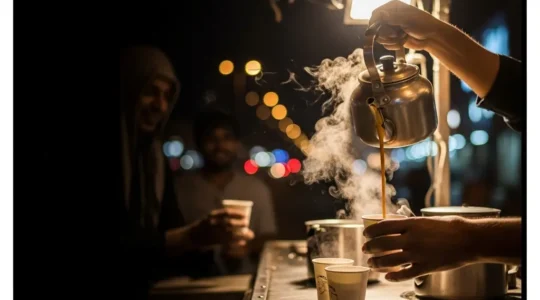
The Cult of Karak: Where to Find the Best AED 1 Tea in the UAE?
Karak is not just a drink; it is a meticulously engineered social lubricant that powers the UAE. The unique flavor comes from a specific chemical reaction between heat-treated milk fats and strong tea tannins. Ordering requires a specific vernacular and…
Read more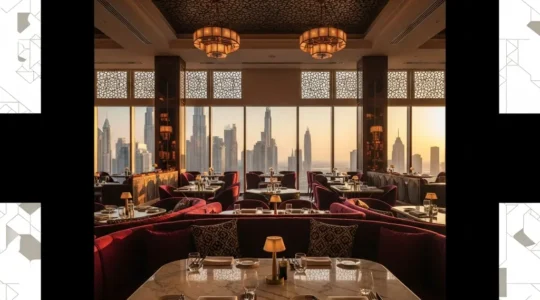
Celebrity Restaurants in Dubai: Are You Paying for the Name or the Food?
You’re paying for a licensed franchise operation, not the celebrity chef’s personal cooking. Dubai’s celebrity kitchens are run by proxy chefs using 90% imported ingredients at 30-50% markup over original locations Profit margins are razor-thin (3-10%), driving aggressive wine markups…
Read more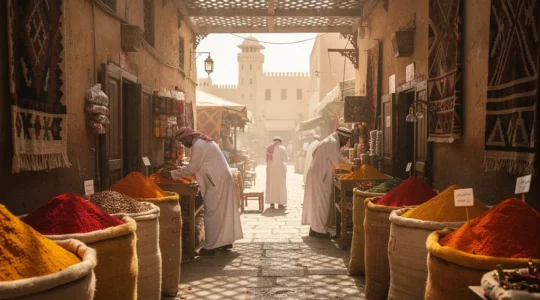
Dubai Food Tours: How to Explore the Hidden Gems of Deira and Bur Dubai?
The real flavor of Dubai isn’t found in 5-star hotels, but in the gritty alleyways of Deira where history and spice trade collide. Authenticity lies in the “cafeteria culture” dominated by Indian and Levantine flavors. Safety and hygiene are strictly…
Read more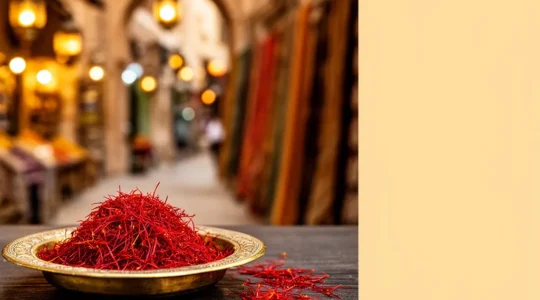
Buying Saffron in Dubai: How to Distinguish Real Negin From Fake Threads?
Authentication failure in saffron purchases stems from relying on visual color alone rather than chemical and morphological verification. Real Super Negin exhibits trumpet-shaped stigmas with crocin levels above 220 (ISO 3632) and completely absent yellow styles. The cold water test…
Read more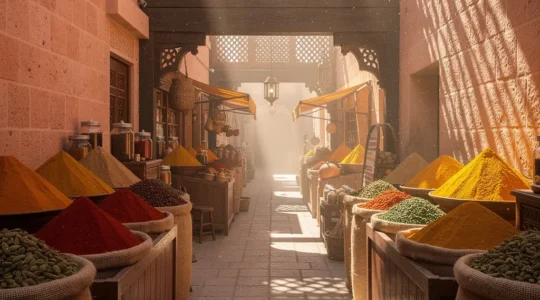
Spice Souk Shopping: How to Identify Fresh Spices vs Old Stock?
Success in the souk relies on trusting your nose over your eyes: bright colors often signal artificial dyes, while aroma indicates true potency. Authentic spices like turmeric should leave a yellow stain that fades, not a persistent neon mark. Saffron…
Read more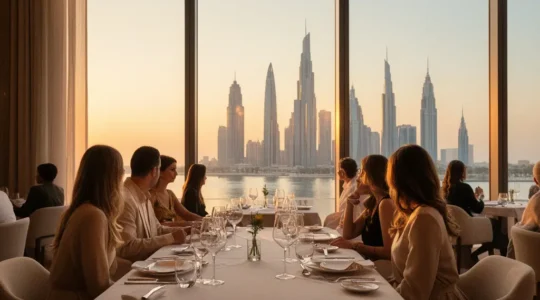
Michelin Dining in Dubai: A Concierge’s Guide to Securing a Table at Starred Restaurants
Securing a table at Dubai’s elite Michelin-starred restaurants is less about booking early and more about mastering the city’s unique hospitality ecosystem. Leverage business lunch menus in hubs like DIFC to experience 2-star quality for up to 80% less. Bypass…
Read more
Dhow Cruise Dinner: How to Spot a Tourist Trap vs a Quality Experience?
The romantic promise of a dhow cruise often masks a low-quality tourist trap; a discerning eye is required to distinguish a memorable evening from a disappointing one. The quality of a cruise is not in its price, but in verifiable…
Read more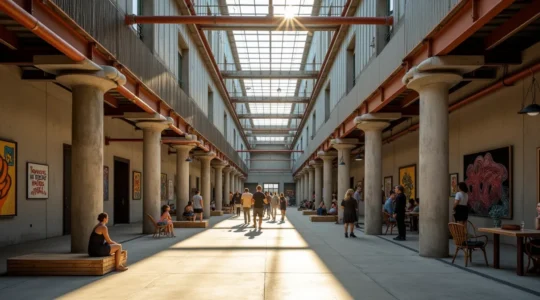
Beyond the Malls: A Creative’s Guide to Alserkal Avenue’s Best Cafes and Art Spaces
In summary: Alserkal Avenue is more than an art district; it’s a cultural ecosystem with its own social codes. Find the best workspaces by matching cafe vibes (from intense focus to social buzz) with your creative needs. Unlock the true…
Read more