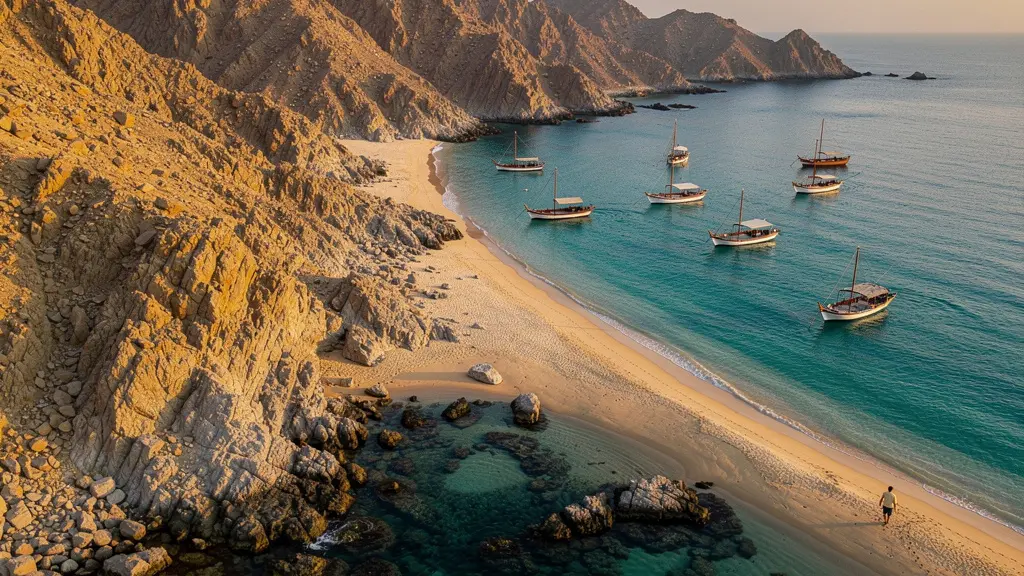
The key to a truly relaxing Fujairah getaway isn’t just booking a nice hotel, but syncing your trip with the area’s unique coastal rhythms.
- Understand why the water is cooler and richer in marine life than the Arabian Gulf.
- Learn the local tricks to access prime spots like Snoopy Island and authentic fish markets without the tourist price tag.
Recommendation: Use this guide to move beyond the standard itinerary and plan a trip that embraces seclusion, nature, and local culture.
The pull of the East Coast is a familiar feeling for anyone living in the UAE. It’s the promise of escaping the shimmering heat of the Arabian Gulf for something different: a coastline where rugged mountains crash into a deeper, cooler ocean. A weekend in Fujairah is more than just a change of scenery; it’s a reset button. But a truly restorative trip goes beyond simply booking a resort and lounging by the pool. The standard travel guides will point you to the same handful of spots, often missing the subtle details that transform a good trip into a great one.
Many guides focus on what to see, but they rarely explain *how* to see it best. They’ll tell you about the vibrant marine life but not the oceanographic reason it thrives there. They’ll mention the fresh fruit at the Friday Market but not the strategy for getting the best price versus the best selection. This isn’t just another checklist. It’s a planner for a more thoughtful escape, one built around understanding the area’s unique character.
The real magic happens when you sync up with the local ‘coastal rhythms’—the ebb and flow of tides, crowds, and market life. It’s about knowing which cove offers true seclusion, how to enjoy the freshest possible meal for a fraction of the restaurant cost, and understanding the simple, practical risks to watch for. This guide is designed to give you that insider knowledge, helping you craft a weekend that feels less like a tourist package and more like a personal discovery.
This article breaks down everything you need to know to plan your escape. From the science of the ocean to the art of haggling, here’s how to master your Fujairah getaway.
Summary: Planning Your Perfect Fujairah Weekend Retreat
- Why Is the Indian Ocean Coast Often Cooler Than the Arabian Gulf?
- How to Snorkel off Snoopy Island Without Booking a Boat Tour?
- Dibba or Fujairah City: Which Area Offers Better Seclusion?
- The Seasonal Risk of Tar Balls on East Coast Beaches You Must Check
- Friday Market Stops: When Is the Best Time to Buy Fresh Fruit on the Way?
- How to Obtain a Recreational Fishing License for a Weekend Trip?
- Where to Eat Fresh Catch in Coastal Hamlets: Exploring the “Cook Your Own” Markets
- Public vs Private Beaches in the UAE: Where to Swim for Free?
Why Is the Indian Ocean Coast Often Cooler Than the Arabian Gulf?
One of the first things you’ll notice on the East Coast is that the water feels distinctly more refreshing than the bath-like temperatures of the Arabian Gulf, especially during the summer months. This isn’t just your imagination; it’s a powerful oceanographic phenomenon at work. The coastline is subject to a process known as seasonal upwelling, where cooler, nutrient-dense water from the deep ocean rises to the surface, pushed by winds and currents.
This upwelling has two major benefits for a weekend visitor. Firstly, it creates a more pleasant swimming and snorkeling environment. Secondly, and more importantly for nature lovers, this deep water is rich in nutrients that have settled on the ocean floor. When brought to the sunlit surface, these nutrients fuel a massive bloom of phytoplankton, which forms the base of a rich and diverse marine food web. It’s the primary reason Fujairah’s waters are teeming with life, from turtles and reef sharks to vast schools of colourful fish.
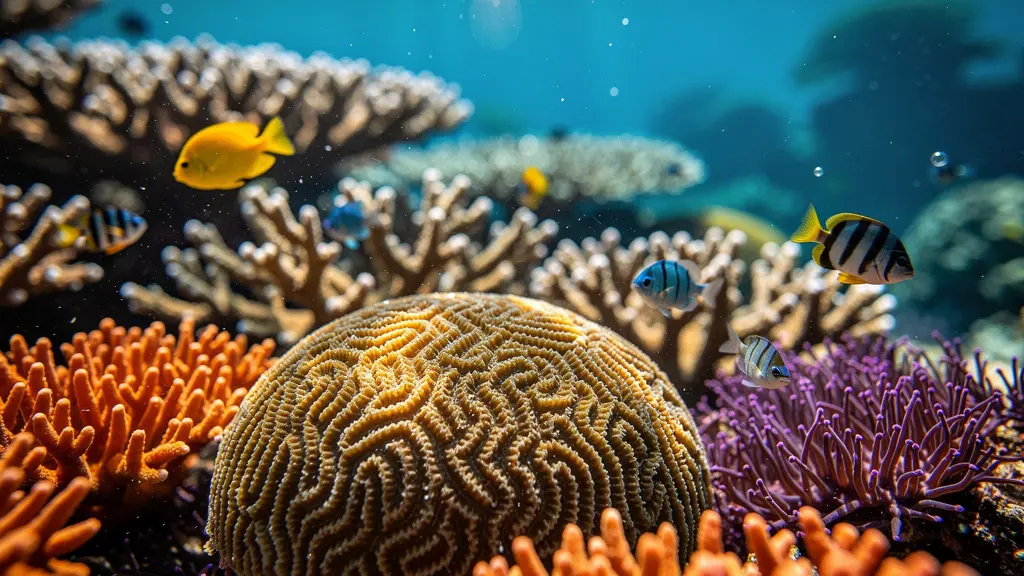
This process is a core part of the region’s unique ecosystem, a phenomenon detailed in studies on Arabian Sea warming patterns, which show how these thermohaline shifts support greater biodiversity. So, when you dip into the cool waters of the Indian Ocean, you’re not just escaping the heat; you’re experiencing the engine of a thriving underwater world. This natural advantage makes the East Coast a premier destination for diving and snorkeling in the UAE.
How to Snorkel off Snoopy Island Without Booking a Boat Tour?
Snoopy Island, the small, distinctively shaped rock off Al Aqah beach, is arguably Fujairah’s most famous snorkeling spot. Its calm, shallow waters and resident population of turtles and reef fish make it a must-do. While many visitors opt for paid boat tours or expensive resort day passes, it’s entirely possible to experience its underwater magic for free with a little “access hacking.” The key is knowing where to park and being comfortable with a short swim.
The most direct route is from Al Aqah Public Beach. By parking near the public access point, you are positioned for a swim of approximately 100-150 meters to reach the island. This is easily manageable for a confident swimmer, especially with fins. For those less confident or with children, bringing an inflatable kayak or paddleboard is a fantastic option, allowing you to transport gear and take breaks. During low tide, a sandbar emerges that allows you to walk a good portion of the way, significantly shortening the swim.
For those who prefer facilities and a shorter swim, a day pass to the adjacent Sandy Beach Resort is the alternative. While it comes at a cost, it provides access to amenities and a much closer entry point to the water. The choice ultimately depends on your budget and appetite for a small adventure.
This table breaks down your options, as detailed in several guides for visiting Snoopy Island.
| Access Method | Cost | Benefits | Limitations |
|---|---|---|---|
| Public Beach | Free | No time restrictions, bring own gear | 450m swim required, no facilities |
| Sandy Beach Resort | 105-130 AED | Short swim (100m), facilities, gear rental available | Time restrictions, additional rental costs |
| Snorkel Tour Package | From 435 AED | Guide, gear included, safety briefing | Fixed schedule, group activity |
Remember to bring water shoes, as the rocks on Snoopy Island itself can be quite sharp. With the right approach, this iconic experience is accessible to everyone.
Dibba or Fujairah City: Which Area Offers Better Seclusion?
Choosing your home base in Fujairah depends entirely on your goal. Are you looking for convenience and a wide range of dining options, or is your priority to disconnect and find true tranquility? This is the seclusion spectrum of the East Coast, with the bustling Fujairah City and Khor Fakkan on one end, and the quieter, more spread-out area of Dibba on the other.
Fujairah City and the popular Al Aqah beach strip are where most of the major resorts are concentrated. This area offers convenience, a vibrant atmosphere, and plenty of activities. However, on a public holiday or a winter weekend, the beaches can become quite crowded. If your idea of a getaway involves peace and quiet, you might find this area a little too busy. For ultimate seclusion, Dibba is often the superior choice. Nestled further north and surrounded by the dramatic Hajar Mountains, Dibba offers a more remote and peaceful atmosphere. Resorts here, like the Dibba Mountain Park Resort, are often designed with privacy in mind, offering villas with mountain views that create a perfect balance of nature and luxury.
Even if you stay in a busier area, you can still find pockets of quiet by mastering the rhythm of the crowds. Here are some timing strategies:
- Visit Dibba during the weekdays for the most profound sense of isolation.
- On Saturdays, the popular Al Aqah and Khor Fakkan beaches are usually quietest before 10 am.
- For a truly off-grid experience, explore the lesser-known coastal spots like Qidfa or Dadna, which have almost no tourist infrastructure but offer empty stretches of shoreline.
During the peak season from October to April, it’s wise to book accommodations in advance, especially if you’re seeking the more secluded options in Dibba, as they are fewer in number and highly sought after.
The Seasonal Risk of Tar Balls on East Coast Beaches You Must Check
While the East Coast beaches are stunning, they are susceptible to a seasonal, and often unpredictable, issue: tar balls. These are small, sticky globules of weathered oil that can wash ashore, a result of offshore shipping activity and natural oil seeps. Stepping on one can be a messy and frustrating experience, staining skin, footwear, and beach towels with a stubborn black residue. The phenomenon is most common during certain times of the year, often influenced by changes in ocean currents.
There is no official forecast for this, so the best way to avoid a tar-covered afternoon is to tap into the local community’s real-time knowledge. Before you even pack the car, a quick check of recent visitor posts can save you a lot of hassle. This is a crucial piece of local knowledge that typical travel guides often overlook. A little proactive research ensures your beach day is relaxing and mess-free.
If you do encounter tar, don’t panic or try to scrub it off with just soap and water—it won’t work. The most effective method is to use oil to dissolve the tar. Being prepared is easy and will make you look like a seasoned beach pro. Keep a small “tar kit” in your beach bag, and you’ll be able to handle any sticky situation with ease.
It’s a small but important detail that distinguishes a well-planned trip from a frustrating one. This simple preparation ensures that a minor nuisance doesn’t ruin a perfect day by the Indian Ocean.
Friday Market Stops: When Is the Best Time to Buy Fresh Fruit on the Way?
The drive to Fujairah through the Hajar Mountains is an experience in itself, and a highlight for many is the famous Friday Market in Masafi (which, confusingly, is open all week). This sprawling roadside collection of stalls is piled high with colourful fruits, local vegetables, handmade pottery, and carpets. Treating this stop as part of the destination, rather than a quick break, is key to enhancing your getaway.
However, the timing of your visit can dramatically change your experience. It’s not just about avoiding the crowds; it’s about what you want to achieve. Are you looking for the absolute best selection of fresh, exotic fruits, or are you hunting for a bargain? The answer determines when you should pull over. Stopping on your way *to* Fujairah on a Friday or Saturday morning gives you the pick of the freshest produce. Stopping on your way *back* to Dubai or Abu Dhabi on a Saturday afternoon often means better prices, as vendors are keen to offload their stock before the weekend ends.

Beyond the fruit, this is the place to look for unique local products. Keep an eye out for local mountain honey (Sidr honey), which is prized for its medicinal qualities, and the rustic, handmade pottery that makes for a perfect souvenir. Don’t be afraid to haggle; it’s an expected and friendly part of the transaction.
Your Friday Market Strategy Checklist
- Goal: Best Selection: Stop on the way TO Fujairah on Friday/Saturday morning (8-10 am).
- Goal: Best Prices: Stop on the way BACK on Saturday afternoon (after 4 pm).
- Explore Beyond Fruit: Look for local Sidr honey, handmade pottery, and affordable Iranian carpets.
- Haggling Tactic: Start your offer at around 50% of the asking price and aim to settle near 70-75%.
- Discover Alternatives: Explore the smaller, family-run fruit stands along the E89 route past the main market for a quieter experience.
By timing your visit strategically, you transform a simple pit stop into a memorable part of your cultural and culinary journey to the East Coast.
How to Obtain a Recreational Fishing License for a Weekend Trip?
The rich waters of the Indian Ocean are a major draw for fishing enthusiasts. However, casting a line from the shore or a boat is a regulated activity in the UAE, and doing so without the proper permit can lead to fines. Understanding the rules is essential for a stress-free fishing experience. The process for obtaining a license differs significantly for residents and tourists.
For UAE Residents with an Emirates ID, the process is surprisingly straightforward. You can apply for a weekly or annual recreational fishing license directly through the Ministry of Climate Change and Environment (MOCCAE) app or their website. The process is digital, requires only your Emirates ID, and the license is often issued instantly. A weekly license is very affordable and perfect for a weekend trip.
For tourists, the situation is different. The ministry does not currently issue short-term licenses to non-residents. Therefore, the only legal way for a tourist to fish is by booking a trip with a licensed fishing charter company. These companies have the necessary commercial permits to take guests out on the water, and they typically provide all the gear and expertise needed for a successful trip.
Simple line fishing from certain shorelines or breakwaters exists in a grey area and can be subject to fines. Spearfishing is strictly prohibited without a license.
– MOCCAE Official Guidelines, UAE Ministry of Climate Change and Environment
Attempting to fish from the shore without a license is a gamble. While it’s a common sight, it is technically not permitted in many areas and enforcement can be arbitrary. To ensure your weekend remains relaxing, it’s always best to follow the official guidelines and secure the right permit or book with a professional charter.
Where to Eat Fresh Catch in Coastal Hamlets: Exploring the “Cook Your Own” Markets
While Fujairah has its share of fine-dining restaurants, one of the most authentic and memorable culinary experiences you can have is found at the local fish markets. Here, you can enjoy a hyper-fresh seafood feast for a fraction of the price you’d pay in a hotel. The concept is simple and brilliant: you buy your fish directly from the fishermen at the market, have it cleaned on-site, and then take it to an adjacent grilling stall to have it cooked for you.
The main fish markets in Fujairah City and Khor Fakkan are the best places for this. The key is to go early, ideally between 6 am and 8 am, when the day’s catch is being brought in. This is when you’ll find the best selection. Look for fish with clear eyes, bright red gills, and firm flesh—the tell-tale signs of freshness. Popular local choices include Hamour (grouper), Shaari (emperor), and Jesh (trevally). Once you’ve made your purchase, head to the cleaning stations where, for a small fee, your fish will be expertly scaled, gutted, and prepared for the grill.
The final step is the most exciting. Take your cleaned fish to one of the nearby cooking kiosks. For a modest fee per kilogram, they will grill it to perfection (‘mashwi’) with a simple blend of spices. The atmosphere is bustling and no-frills, but the reward is immense.
The atmosphere at the cooking stalls is pure authenticity – plastic chairs, bustling crowds, and the aroma of freshly grilled fish. It’s not fine dining, but the fish doesn’t get fresher than this. Expect to pay around 80-120 AED total for a feast for two people.
– TripAdvisor Contributor
This “cook your own” experience is the epitome of the East Coast’s unpretentious charm, connecting you directly with the local fishing culture and offering a taste of the ocean at its absolute freshest.
Key takeaways
- The East Coast’s cooler water is due to seasonal upwelling, which also supports its rich marine biodiversity.
- You can snorkel at Snoopy Island for free by swimming from the public beach, avoiding costly tours or day passes.
- Finding seclusion is about strategic timing and location choices, with Dibba offering more peace than the main Fujairah/Al Aqah strip.
Public vs Private Beaches in the UAE: Where to Swim for Free?
One of the biggest questions for any beach-focused getaway is access. While the UAE is famous for its luxurious private beach clubs and hotel shores, the Fujairah coastline offers a fantastic selection of clean, safe, and free public beaches. Opting for a public beach not only saves money but also offers a more local and authentic experience, where you can picnic alongside families and enjoy the stunning mountain backdrop without the exclusivity of a resort.
The main public beaches like Al Aqah and Khor Fakkan are excellent choices. Khor Fakkan, in particular, has been extensively developed and offers a beautiful corniche with full facilities, including showers, toilets, and play areas for children, making it an excellent family-friendly option. Al Aqah Public Beach is your gateway to Snoopy Island and, while its facilities are more basic, its natural beauty is undeniable. These spots can get busy, especially on weekend afternoons, but their size means you can usually find a comfortable spot.
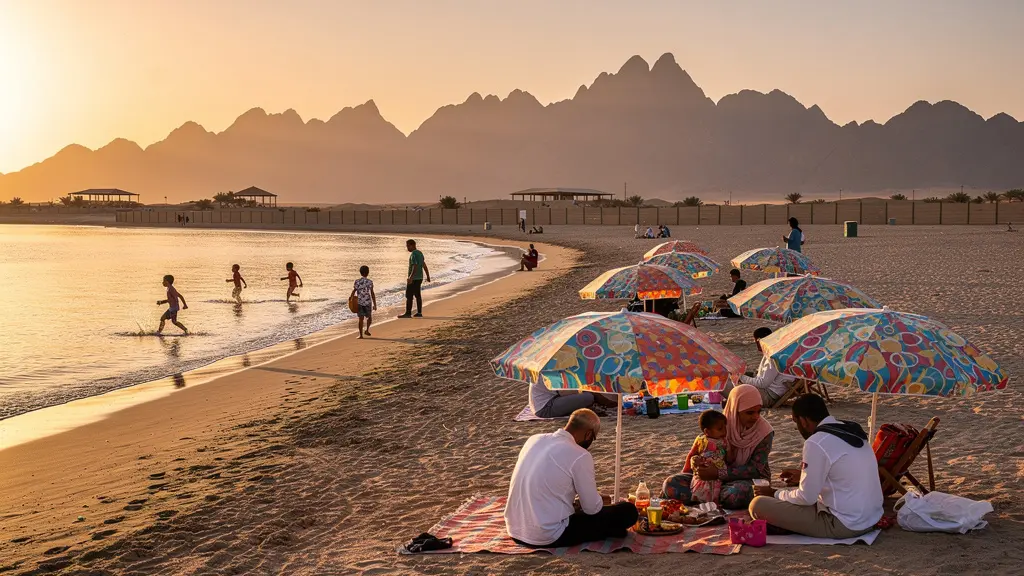
For those seeking even more peace, the smaller public beaches at Dibba or the unmarked stretches of coast in between the main towns offer true tranquility. They may lack facilities, so you’ll need to come self-sufficient with your own shade, water, and food. The trade-off is having a vast expanse of sand and sea almost entirely to yourself. Choosing a public beach allows you to enjoy the very same ocean and views as the five-star resorts, but with a greater sense of freedom and connection to the place.
| Beach | Facilities | Weekend Crowds | Family-Friendly | Water Access |
|---|---|---|---|---|
| Al Aqah Public | Basic toilets, parking | High | Yes | Sandy with some rocks |
| Khor Fakkan | Full facilities, showers | Very High | Excellent | Sandy, gentle slope |
| Dibba Beach | Limited | Moderate | Good | Rocky patches |
Ultimately, the choice between public and private comes down to personal preference. But it’s empowering to know that some of the best coastal experiences in Fujairah don’t cost a thing.
Now that you’re equipped with the insider knowledge to plan a truly unique trip, the next step is to start piecing together your own perfect itinerary. Begin by choosing your base, and build your relaxing weekend from there.
Frequently Asked Questions About a Fujairah Trip
How can I check beach conditions before visiting?
Check recent posts in UAE-based Facebook groups like ‘UAE Outdoor Adventures’ and ‘UAE Snorkel and Divers’ for real-time beach reports from recent visitors. This is the best way to get information about issues like tar balls or water clarity.
What’s the best way to remove tar from skin?
Pack a small bottle of baby oil or coconut oil with an old cloth. Apply the oil to the affected area and let it sit for a minute to dissolve the tar, then gently wipe it away. This is the most effective and skin-safe method for removing tar from skin, feet, and sandals.