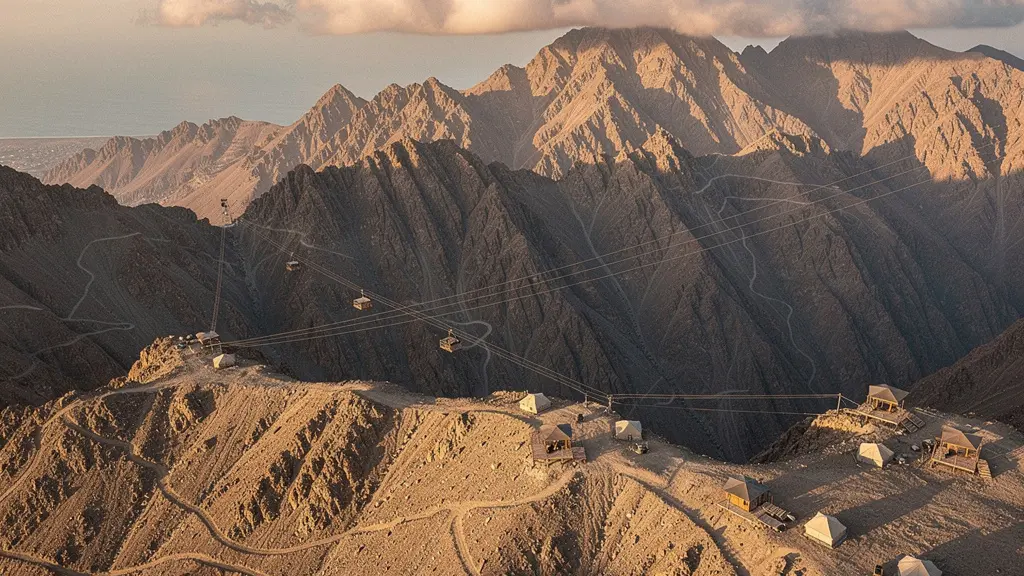
Ras Al Khaimah’s rise as an adventure hub isn’t just about its mountains; it’s about offering a more rugged, technical, and strategic alternative to its neighbors.
- Hardcore hikers find higher peaks and genuinely challenging trails that surpass options like Hatta in technicality and elevation.
- Success in RAK is a logistical game; strategic timing on weekends is non-negotiable to avoid major traffic bottlenecks that can derail an entire trip.
Recommendation: Match your gear and trail choice to your actual experience level, not just your ambition—the ‘consequence factor’ between soft desert sand and hard mountain rock is a crucial part of your adventure calculus.
For the active traveler based in the Gulf, the question eventually arises: after you’ve seen the skyscrapers and experienced the cityscapes, where do you go for a raw, untamed challenge? Dubai offers manufactured thrills, but the call for genuine adventure—for rock, dust, and unpredictable terrain—often leads north. Ras Al Khaimah (RAK) is consistently touted as the answer, a rugged paradise of mountains and wadis. The common advice points you towards Jebel Jais for a zipline or a scenic drive, but this barely scratches the surface.
The real story of RAK’s dominance as an adventure hub isn’t about a single attraction. It’s about a fundamental difference in its environment, its challenges, and the mindset required to conquer them. This isn’t a destination for passive tourists; it’s a proving ground for the self-reliant adventurer. The key to unlocking its potential lies not in simply showing up, but in understanding the strategic trade-offs involved. It’s an ‘adventure calculus’ where choosing the right trail, the right timing, and even the right camping style determines the difference between a frustrating weekend and a legendary expedition.
This guide moves beyond the generic recommendations. We will dissect the critical decisions every adventurer faces when tackling RAK. We’ll compare its toughest hikes against regional rivals, break down the real costs of camping, and reveal the logistical mistakes that can ruin your plans before you even reach the foothills. This is your framework for making the smart choices that lead to an epic adventure.
This article breaks down the essential strategic intelligence you need to conquer Ras Al Khaimah. Explore the specific comparisons and tactical advice below to plan your definitive adventure.
Summary: Why Ras Al Khaimah Is the Middle East’s Emerging Adventure Capital
- Why Does Ras Al Khaimah Have More Rainfall and Greenery Than Dubai?
- How to Find Glamping Spots in RAK That Offer Privacy and Mountain Views?
- RAK or Hatta: Which Destination Is Better for Hardcore Hiking?
- The Weekend Mistake That Doubles Your Travel Time to Ras Al Khaimah
- Bear Grylls Camp or Independent Camping: Which Is Better for Your Wallet?
- Stairway to Heaven or Wadi Shawka: Which Trail Matches Your Experience?
- Desert Fat Biking or Mountain Biking: Which Is Harder for Beginners?
- Driving to Jebel Jais: How to Navigate the Mountain Roads Safely?
Why Does Ras Al Khaimah Have More Rainfall and Greenery Than Dubai?
The stark difference in landscape between Ras Al Khaimah’s verdant mountain slopes and the arid plains of other emirates isn’t an illusion; it’s a matter of microclimate. The key lies in a simple geographical advantage: the Hajar Mountains. This massive range forces moist air from the Arabian Gulf to rise, cool, and condense, a process known as orographic lift. This effect gives RAK a distinct climatic edge, resulting in higher precipitation and cooler temperatures, especially at altitude. This is a game-changer for plant life, allowing for a surprising amount of greenery to thrive where it otherwise couldn’t.
The data confirms this phenomenon. While not a rainforest, RAK’s climate is demonstrably wetter, with recent climate data showing the area receives around 133mm of annual rainfall compared to Dubai’s 100mm. This effect is magnified during significant weather events. Analysis of the historic April 2024 rainfall showed that the most intense “orographic rainfall” was concentrated over mountain ranges like the Hajar, explaining why RAK’s wadis were flowing when other areas were merely soaked. This unique moisture retention is the secret behind the emirate’s reputation as the UAE’s greenest corner.
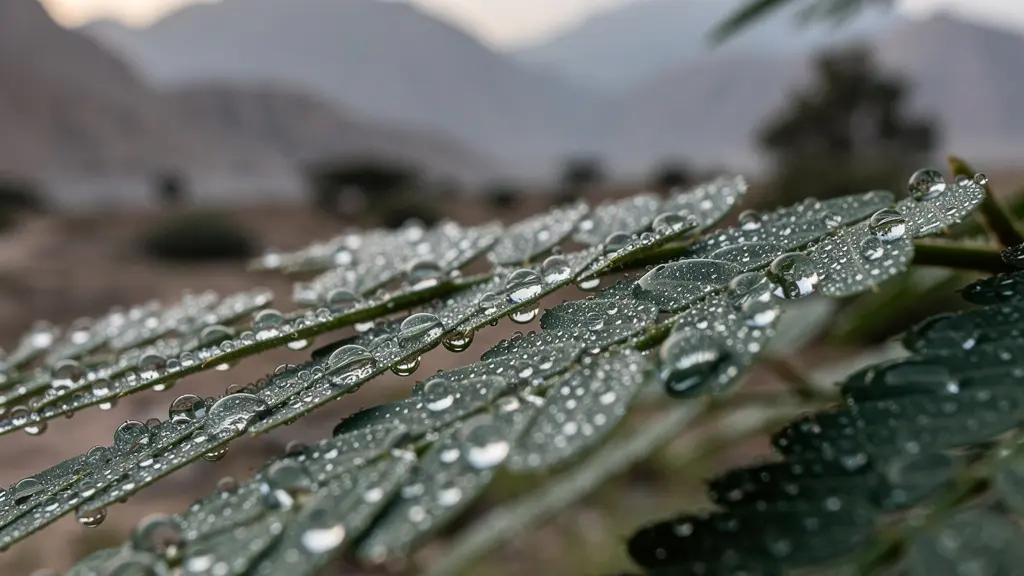
This ecological advantage translates directly into the adventure experience. The increased vegetation provides more than just scenic contrast; it supports a more diverse ecosystem and creates a fundamentally different hiking and camping environment. It means more shade, more resilient trails, and an atmosphere that feels a world away from the coastal cities just an hour’s drive south. Understanding this microclimate is the first step in appreciating why RAK offers a genuinely unique natural landscape in the region.
How to Find Glamping Spots in RAK That Offer Privacy and Mountain Views?
RAK’s popularity has led to an explosion of “glamping” options, but not all are created equal, especially for adventurers seeking solitude and epic vistas. The key is to look past the marketing and focus on two critical factors: location and layout. A camp’s proximity to the mountains is the first filter. Spots nestled in the foothills of Jebel Jais or the secluded corners of Wadi Shawka will inherently offer better views than those on the open desert plains. The second, more nuanced factor is the site’s layout. True privacy comes from camps designed with separation in mind, featuring widely spaced tents or cabins rather than a clustered village setup.
For those prioritizing an immersive mountain experience, a few sites stand out. Bear Grylls Explorers Camp, located on Jebel Jais, offers a high degree of privacy with its 16 separated cabins, each with its own BBQ area. For an even more secluded feel, a hidden gem like Wander Camp in Wadi Shawka provides an exceptional level of privacy with its discreetly placed tipi tents. These options contrast with more traditional desert camps, which often focus on a communal experience and may offer limited mountain views.
To help you with your adventure calculus, the following table breaks down some of RAK’s popular glamping options based on the crucial metrics of privacy and mountain scenery. This data, compiled from visitor reviews and site information, serves as a quick-reference guide to matching a camp with your desire for either social buzz or quiet contemplation.
| Glamping Site | Privacy Score | Mountain Views | Key Features |
|---|---|---|---|
| Bear Grylls Camp | High (8/10) | Yes – Jebel Jais | 16 separated cabins, private BBQ |
| Wander Camp | Very High (9/10) | Yes – Wadi Shawka | Hidden gem, white tipi tents |
| Bassata Village | Medium (6/10) | Desert views | Sandy rooms, unique experience |
| Bedouin Oasis | Medium (6/10) | Limited | Traditional charm, AC chalets |
Ultimately, finding the right glamping spot is a strategic trade-off. Choosing a site like Bedouin Oasis gives you traditional charm but sacrifices privacy and mountain views. Opting for Wander Camp, on the other hand, maximizes those elements, providing a perfect basecamp for serious mountain adventures. Analyze your priorities before booking to ensure your accommodation enhances, rather than detracts from, your trip.
RAK or Hatta: Which Destination Is Better for Hardcore Hiking?
For the casual hiker, Hatta offers well-marked trails and accessible scenery. But for the hardcore trekker seeking a true test of elevation, technicality, and endurance, Ras Al Khaimah is in a different league. The debate isn’t about which is “nicer”; it’s a technical comparison of terrain, and RAK’s primary advantage is raw, uncompromising topography. The emirate is home to Jebel Jais, which at 1,934 meters is the UAE’s highest peak, offering elevation gains that Hatta simply cannot match.
This elevation creates longer, more demanding ascents and descents, providing a far greater cardiovascular challenge. But the difference goes beyond just height. RAK’s trails, particularly notorious routes like the Stairway to Heaven, involve significant scrambling, exposure, and navigational challenges. These are not manicured paths; they are rugged, unforgiving tracks that demand respect, experience, and proper gear. This is the terrain where the “consequence factor” is high, and skill is just as important as fitness.
The emirate’s reputation as the region’s premier destination for serious hiking is cemented by events like the HIGHLANDER adventure challenge. This internationally recognized event chose Jebel Jais for its UAE edition for a reason. As organizers noted, the goal was to offer a 37km hiking challenge that truly tests participants against the Hajar Mountains’ “impressive rockscapes, rugged canyons and famous wadis.” The presence of such an event is a clear signal to the serious hiking community: this is where you come to prove yourself. While Hatta is an excellent destination for building experience, RAK is where you come to apply it against the most formidable natural challenges the country has to offer.
The Weekend Mistake That Doubles Your Travel Time to Ras Al Khaimah
The single biggest mistake adventurers make when planning a weekend in RAK has nothing to do with gear or fitness; it’s a failure of logistics. Specifically, it’s about underestimating the brutal reality of Friday morning traffic. Leaving Dubai or Abu Dhabi between 9 AM and 11 AM on a Friday might seem reasonable, but you are driving directly into a wave of traffic that can easily double your journey time. This isn’t just highway congestion; it’s a slow, creeping bottleneck that intensifies on the final 20km stretch to popular destinations like Jebel Jais, turning a 90-minute drive into a three-hour ordeal.
This isn’t just an inconvenience; it’s a critical loss of adventure time. Arriving mid-day means you’ve lost the cool morning hours perfect for a long hike and may have to rush to set up camp before sunset. The solution requires a disciplined approach to timing—a concept we call time arbitrage. You must consciously choose to travel outside of peak hours to maximize your time on the ground. The most effective strategy is a pre-dawn departure: leave the city before 7 AM. You’ll not only beat the traffic but also be greeted by an empty, winding mountain road at sunrise, an experience in itself.
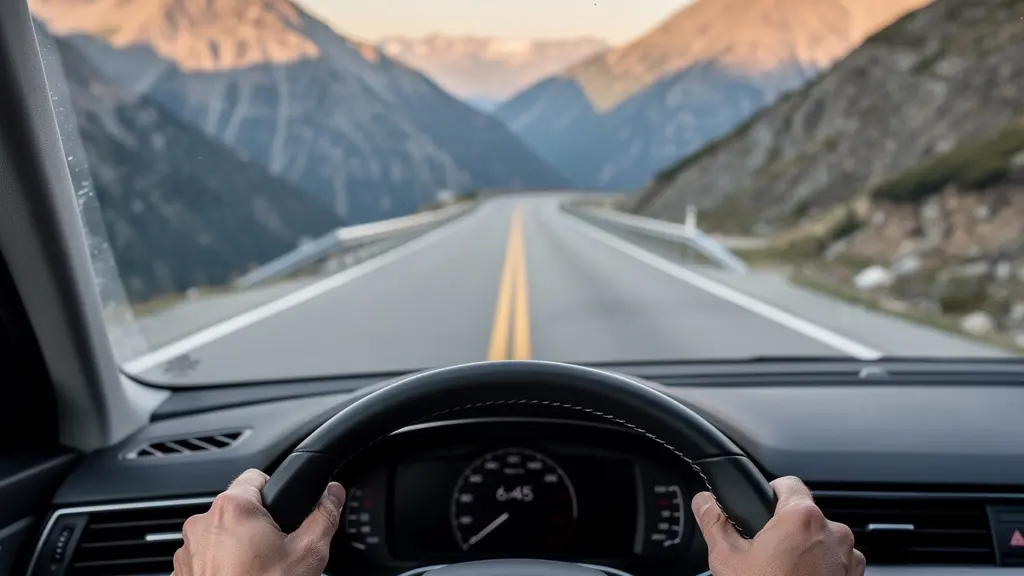
If an early start isn’t possible, the second-best option is to delay your departure until after 2 PM on Friday, once the morning rush has subsided. Another counter-intuitive but effective strategy is to leverage Sunday. While many people dread the Sunday evening drive back, the roads from RAK are often surprisingly clear in the afternoon, allowing for a full morning of activity and a smooth journey home. Booking accommodation with flexible check-in times is also a smart move, giving you the freedom to optimize your travel window without pressure. Don’t let a simple logistical error rob you of precious hours in the mountains.
Bear Grylls Camp or Independent Camping: Which Is Better for Your Wallet?
The choice between a structured experience like the Bear Grylls Explorers Camp and the freedom of independent camping is a classic adventure dilemma. The decision hinges on a strategic trade-off between upfront investment and per-trip cost, and the answer for your wallet depends entirely on your long-term commitment to camping. The Bear Grylls camp offers a turn-key solution with a near-zero initial cost; you show up, and everything from training to food and shelter is provided for a per-person fee.
As the camp’s official guidelines state, the experience is designed to be all-inclusive. According to the Bear Grylls Explorers Camp in their Official Camp Guidelines 2024:
The camp will provide you with wild camp accommodation, a camp-style dinner, breakfast and selected kit items during the camp experience.
– Bear Grylls Explorers Camp, Official Camp Guidelines 2024
Conversely, independent camping demands a significant upfront investment in gear—a quality tent, sleeping bags, cooking equipment, and safety essentials can easily run between 2,000 to 3,000 AED. However, after this initial outlay, the per-trip cost plummets to near-zero, covering only fuel and food. This financial calculus creates a clear break-even point.
To visualize this financial trade-off, consider the following cost breakdown. It highlights how the initial pain of a large gear purchase is amortized over time, eventually making independent camping the far more economical choice for the frequent adventurer.
| Option | Initial Cost | Per Trip Cost | Break-even Point |
|---|---|---|---|
| Bear Grylls Camp (24hr) | 0 AED | 375+ AED/person | Includes training, meals, accommodation |
| Independent Gear | 2000-3000 AED | Near-zero | 5-8 camping trips |
| Value Factors | Bear Grylls: Expert survival training, safety protocols Independent: Freedom, skill-building through self-reliance |
||
The numbers show that the break-even point typically falls between five to eight camping trips. If you plan to camp more than a few times a year, the investment in your own gear pays for itself quickly. The decision, therefore, isn’t just about a single weekend. It’s about your identity as an adventurer. The Bear Grylls camp is an excellent, safe introduction, but for those committed to a lifestyle of exploration, investing in your own self-reliance is the smarter financial move in the long run.
Stairway to Heaven or Wadi Shawka: Which Trail Matches Your Experience?
Choosing between RAK’s iconic trails, Stairway to Heaven and Wadi Shawka, is the ultimate test of an adventurer’s self-awareness. This isn’t a choice based on which is “better,” but a critical exercise in experience-matching. Both offer incredible rewards, but they test entirely different skill sets and punish different weaknesses. Making the wrong choice can lead to a dangerous, miserable, or aborted hike. The right choice is based on an honest assessment of your technical ability, navigational confidence, and tolerance for exposure.
Stairway to Heaven is, bluntly, a trail for experienced scramblers who are comfortable with heights and exposure. Its name is not an exaggeration; it involves long sections of steep, exposed ledges and requires using your hands as much as your feet. If you own hiking poles and have a solid background in scrambling, this trail offers an unparalleled adrenaline rush and breathtaking views. However, its most critical feature is the lack of bail-out options. Once you are committed, you are committed. Turning back is often as difficult as pushing forward, making it a high-consequence undertaking.
Wadi Shawka, by contrast, is a test of navigation and endurance. While it features a significant dam and pool loop, the full experience involves a network of intersecting donkey trails that can be notoriously confusing. If your biggest fear is getting lost, the multiple trail intersections in Shawka can be a source of anxiety. Its key advantage, however, is the presence of multiple early exit points that lead back to the dam. This makes it a more forgiving option for those who want to push their distance but retain the safety net of being able to cut the hike short if needed. It’s less technically demanding than Stairway but requires constant map-reading and decision-making.
Desert Fat Biking or Mountain Biking: Which Is Harder for Beginners?
For a newcomer to off-road cycling in RAK, the choice between desert fat biking and mountain biking on Jebel Jais seems like a simple preference for sand or rock. In reality, it’s a decision with significant implications for skill development and safety. Counter-intuitively, while it may seem more physically demanding, desert fat biking is significantly easier and safer for an absolute beginner. The primary reason is the low “consequence factor.” A fall on soft sand typically results in a bruised ego, whereas a mistake on the rocky trails of Jebel Jais can lead to serious injury.
Fat biking in the desert is a pure cardio workout. The wide, low-pressure tires float over sand, but it requires constant, grinding pedal strokes to maintain momentum. The technical skill required, however, is minimal. There are no sharp corners, no complex line choices, and no steep drop-offs to navigate. It’s a fantastic way to build fitness and get comfortable on an off-road bike without the intimidating technical challenges of mountain terrain.
Jebel Jais mountain biking, on the other hand, is a game of technical skill. While the silky smooth tarmac of the main road is perfect for road cyclists, the actual mountain bike trails are a different beast. They demand precise braking, careful line selection to avoid sharp rocks, and confidence in handling the bike on varied gradients. While gravity provides assistance on the downhills, it also increases the speed and potential for high-consequence crashes. For this reason, it’s better suited to riders who already have some prior off-road experience. This clear distinction is crucial for a safe and enjoyable entry into the sport.
| Aspect | Desert Fat Biking | Mountain Biking (Jebel Jais) |
|---|---|---|
| Cardio Effort | High (constant pedaling in sand) | Medium (gravity-assisted downhills) |
| Technical Skill | Low | High (line choice, braking) |
| Crash Factor | Low-consequence (soft sand) | High-consequence (rocky terrain) |
| Gateway Level | Perfect for absolute beginners | Better for those with prior experience |
Key Takeaways
- RAK’s unique microclimate, with more rain and cooler mountain temperatures, creates a genuinely different and greener environment compared to the rest of the UAE.
- The choice between guided (e.g., Bear Grylls) and independent adventure is a clear financial trade-off: a high per-trip cost versus a high initial gear investment that pays off over time.
- A successful RAK expedition is as much about logistics as it is about fitness; avoiding peak traffic and choosing a trail that matches your technical skill, not just your endurance, is paramount.
Driving to Jebel Jais: How to Navigate the Mountain Roads Safely?
The drive up Jebel Jais is one of the world’s great mountain roads, a stunning feat of engineering with 30 km of newly built mountain roads snaking towards the summit. But its beauty can be deceiving. For drivers unaccustomed to mountain conditions, it presents a unique set of hazards that demand a specific driving protocol. Navigating it safely isn’t about speed; it’s about defensive driving, mechanical sympathy, and adhering to an unwritten mountain etiquette. Ignoring these rules not only puts you at risk but can also create dangerous situations for others.
One of the most critical skills is managing your brakes. On the long, steep descents, relying solely on your brake pedal will cause them to overheat and fail—a phenomenon known as brake fade. The correct technique is to engage a low gear (1st or 2nd in an automatic, or a low manual gear) and let the engine’s resistance (engine braking) control your speed. Brakes should be used in short, firm applications, not constant pressure. Equally important is being aware of your surroundings. Sudden fog can appear even on clear days, and goats or donkeys are a common and unpredictable hazard around blind corners.
Finally, mountain driving etiquette is about courtesy and safety. The road is used by locals who know it intimately and travel at a faster pace. If a faster vehicle is behind you, use one of the numerous pull-over spots to let them pass. This prevents dangerous tailgating and reduces your own stress. On tight hairpin turns, it’s customary to give way to larger vehicles or those traveling uphill. Mastering this road is a key part of the Jebel Jais adventure, and doing it safely ensures the experience is memorable for all the right reasons.
Your Action Plan: Jebel Jais Mountain Driving Protocol
- Use pull-over spots to let faster local traffic pass to avoid dangerous tailgating.
- Engage low gear for engine braking on descents to prevent brake fade.
- Watch for sudden fog, which is common at altitude even on clear days.
- Stay alert for goats and donkeys, especially around blind corners.
- Give way to larger or uphill-bound vehicles on hairpin turns as part of unwritten mountain etiquette.
With this strategic framework, you are no longer just a tourist but an informed adventurer ready to tackle Ras Al Khaimah. The next step is to move from planning to action. Start by assessing your current gear against the demands of your chosen trail and block out a weekend on your calendar, ensuring your travel times fall well outside of the peak traffic windows.